
Do Muslims Believe Jesus Rose From The Dead
- Overview of Islamic Beliefs About Jesus
- The Concept of Resurrection in Islam
- Comparing Islamic and Christian Views
- Historical Context of Jesus in Islam
- Conclusions on the Divergent Beliefs
Overview of Islamic Beliefs About Jesus
Do Muslims Believe Jesus Rose From The Dead ? Islamic teachings present a unique perspective on Jesus, emphasizing his significance as a prophet and messenger rather than as the Son of God. Recognized as Isa in Arabic, Jesus holds a revered position within the broader framework of Islamic theology. In Islam, it is fundamental to understand that while Jesus is honored, the narrative surrounding him diverges significantly from Christian beliefs.
Muslims acknowledge Jesus as one of the five greatest prophets, a group that includes Noah, Abraham, Moses, and Muhammad. His life and teachings are recognized in several sections of the Quran, the holy text of Islam, where he is referred to as the Messiah. The Quran asserts that Jesus was born of the Virgin Mary, known as Maryam, and that this miraculous birth was a profound event. However, it is important to highlight that Muslims do not attribute divinity to Jesus; instead, he is viewed purely as a human with a special divine purpose.
In Islam, Jesus performed miracles, such as healing the sick and bringing the dead back to life, which are acknowledged in the Quran. However, these miracles are understood as manifestations of God’s power through Jesus, rather than a fundamental part of his divine nature. This distinction is crucial in distinguishing Islamic beliefs from those of Christianity. While Christians believe in the literal resurrection of Jesus, Muslims maintain that Jesus was neither crucified nor killed; instead, they believe he was raised to heaven by God. This belief reflects the broader Islamic understanding of God’s supreme power and control over life and death.

- Holy Quran Part 30 (JUZ AMMA) Book with English Translation (12 Pcs Lot)
- Dr. Mustafa Khattab (Author)
- English (Publication Language)
- 416 Pages - 12/26/2015 (Publication Date) - Message for Humanity (Publisher)

- Karroum, Bachar (Author)
- English (Publication Language)
- 129 Pages - 02/08/2023 (Publication Date) - GoodHearted Books Inc. (Publisher)
Moreover, Islamic eschatology posits that Jesus will return before the Day of Judgment to restore justice and defeat falsehood, further accentuating his vital role within Islamic belief. This appointed return is one of the key aspects that Muslims hold regarding Jesus, indicating that he has not only a historical significance but also an eschatological role as part of God’s divine plan for humanity.
Additionally, the Quran’s portrayal of Jesus emphasizes his message of monotheism and ethical living. Muslims revere the teachings of Jesus as aligned with Islamic principles, promoting compassion, forgiveness, and guidance towards righteousness. His followers, known as the disciples, are also honored within Islamic teachings, symbolizing the communal aspect of faith that transcends individual beliefs.
Overall, we find that the Islamic perspective on Jesus is comprehensive, emphasizing his humanity and prophetic mission while firmly placing him within the framework of monotheism. The role of Jesus in Islam reinforces the concept of a singular, omnipotent God, showcasing the divergences in beliefs regarding his life, crucifixion, and resurrection, which are pivotal themes when considering the question: do Muslims believe Jesus rose from the dead? While Muslims respect the figure of Jesus immensely, their beliefs diverge from the Christian narrative, reflecting fundamental theological differences that underscore the distinctions between these two major world religions.
The Concept of Resurrection in Islam
In Islamic theology, the concept of resurrection is multifaceted and deeply rooted in the belief of God’s ultimate power over life and death. The resurrection envisaged within Islam is not limited to Jesus alone; it is a fundamental tenet of the Muslim faith as a whole. Muslims believe in a Day of Resurrection (Yawm al-Qiyamah), a pivotal event when all beings will be resurrected for judgment by God. While discussing the resurrection of Jesus, it is essential to differentiate between the Islamic understanding of resurrection and the specific context of Jesus’s life and mission.
According to Islamic texts, including the Quran, the concept of resurrection emphasizes that God alone has the authority to determine who will live and who will die. Thus, the narrative surrounding Jesus’s life, particularly regarding his crucifixion, is interpreted uniquely in Islam. Rather than being subjected to death and subsequently rising from the grave as Christians believe, the Quran states that Jesus was not crucified nor killed; instead, God raised him to Himself. This notion reinforces the overarching Islamic belief in God’s omnipotence and control over all matters.
Muslims do not hold to the idea of Jesus rising from the dead in the same manner as Christians. Instead, they believe in Jesus’s ascension to heaven, where he resides with God. This core belief reflects the view that Jesus continues to play a significant role in the divine plan, future events, and the eventual return of Jesus to Earth. In this context, the notion of resurrection intersects with themes of finality and accountability that define Islamic eschatology.
- Holy Quran Part 30 (JUZ AMMA) Book with English Translation (12 Pcs Lot)
- Dr. Mustafa Khattab (Author)
- English (Publication Language)
- 416 Pages - 12/26/2015 (Publication Date) - Message for Humanity (Publisher)
- Karroum, Bachar (Author)
- English (Publication Language)
- 129 Pages - 02/08/2023 (Publication Date) - GoodHearted Books Inc. (Publisher)
Furthermore, the resurrection in Islam is not solely about Jesus but encompasses all humanity. The Quran emphasizes that everyone will be resurrected on the Day of Judgment and will be held accountable for their deeds. This belief serves to instill a sense of moral responsibility among believers, urging them to lead lives aligned with God’s teachings. The resurrection, therefore, is a communal event tied to every individual’s fate, contrasting with the Christian emphasis on the resurrection of Jesus Christ as the centerpiece of salvation.
Ultimately, when addressing whether Muslims believe Jesus rose from the dead, it is essential to recognize that the Islamic perspective does not affirm this belief in the Christian context. Instead, it presents a narrative of ascension and return, emphasizing God’s supremacy and Jesus’s role as a revered prophet destined for a pivotal return before the Day of Judgment. Such distinctions highlight the significant theological differences between Islam and Christianity, particularly concerning the understanding of resurrection and life after death.
The exploration of these beliefs further deepens the dialogue surrounding the question: do Muslims believe Jesus rose from the dead? In Islam, resurrection is intrinsically tied to a broader understanding of divine justice, accountability, and the transformative nature of faith.
Comparing Islamic and Christian Views
In examining the differences between Islamic and Christian views, it is clear that both religions hold Jesus in high regard, albeit in profoundly distinct ways. Islam acknowledges Jesus as a key prophet but does not accept the Christian doctrine of his divinity or resurrection in the same sense. In Christianity, the resurrection of Jesus is central to the faith, representing victory over sin and death, and serves as the foundation for Christian hope in eternal life. This belief is enshrined in the New Testament and is celebrated in various Christian traditions through festivals such as Easter.
Conversely, within the sphere of Islamic belief, the scenario surrounding Jesus’s death diverges sharply from the Christian narrative. Muslims do not believe that Jesus was crucified or raised from the dead after his crucifixion; rather, they believe that he was taken up to God and spared from death. This point is critical in understanding the Islamic perspective and is one of the primary answers to the question: do Muslims believe Jesus rose from the dead?
Resurrection and Its Significance
The concept of resurrection in Islam relates to the belief in a Day of Judgment when all humans will be resurrected for accountability before God. While Christians view the resurrection of Jesus as a singular event that conveys spiritual significance, Muslims understand resurrection in the broader context of divine justice and the collective fate of humankind.
| Aspect | Christianity | Islam |
|---|---|---|
| Belief in Jesus’ Divinity | Yes | No |
| Crucifixion and Death | Jesus was crucified and died | Jesus was not crucified nor killed |
| Resurrection Event | Physical resurrection after three days | Ascension to heaven without death |
| Role After Resurrection | Central to salvation and eternal life | Future return to restore justice |
Given these fundamental differences, when contemplating the question do Muslims believe Jesus rose from the dead, it is imperative to frame it within these contrasting theological views. Muslims highly regard Jesus, emphasizing his teachings and prophetic mission while maintaining a strict monotheistic worldview that precludes the notion of the resurrection as linked to divine sonship or salvific death.
Jesus’ Future Role in Islam
As per Islamic eschatology, Jesus is believed to have a significant role at the end of times. The tradition holds that Jesus will return to earth to confront falsehood and establish justice. This perspective further underscores the differences between Islamic and Christian views regarding Jesus’s life, death, and resurrection. While Christians focus on Jesus’s death and resurrection as the fulcrum of faith, Muslims regard his anticipated return as a pivotal aspect of his prophetic career, distinct from the crucifixion narrative.
In summary, while the reverence for Jesus exists in both Christian and Islamic traditions, the interpretations of his life and significance reveal stark theological divergences. The exploration of these differences continues to shed light on the complexities of interfaith dialogue, especially when posed with the question: do Muslims believe Jesus rose from the dead?
Historical Context of Jesus in Islam
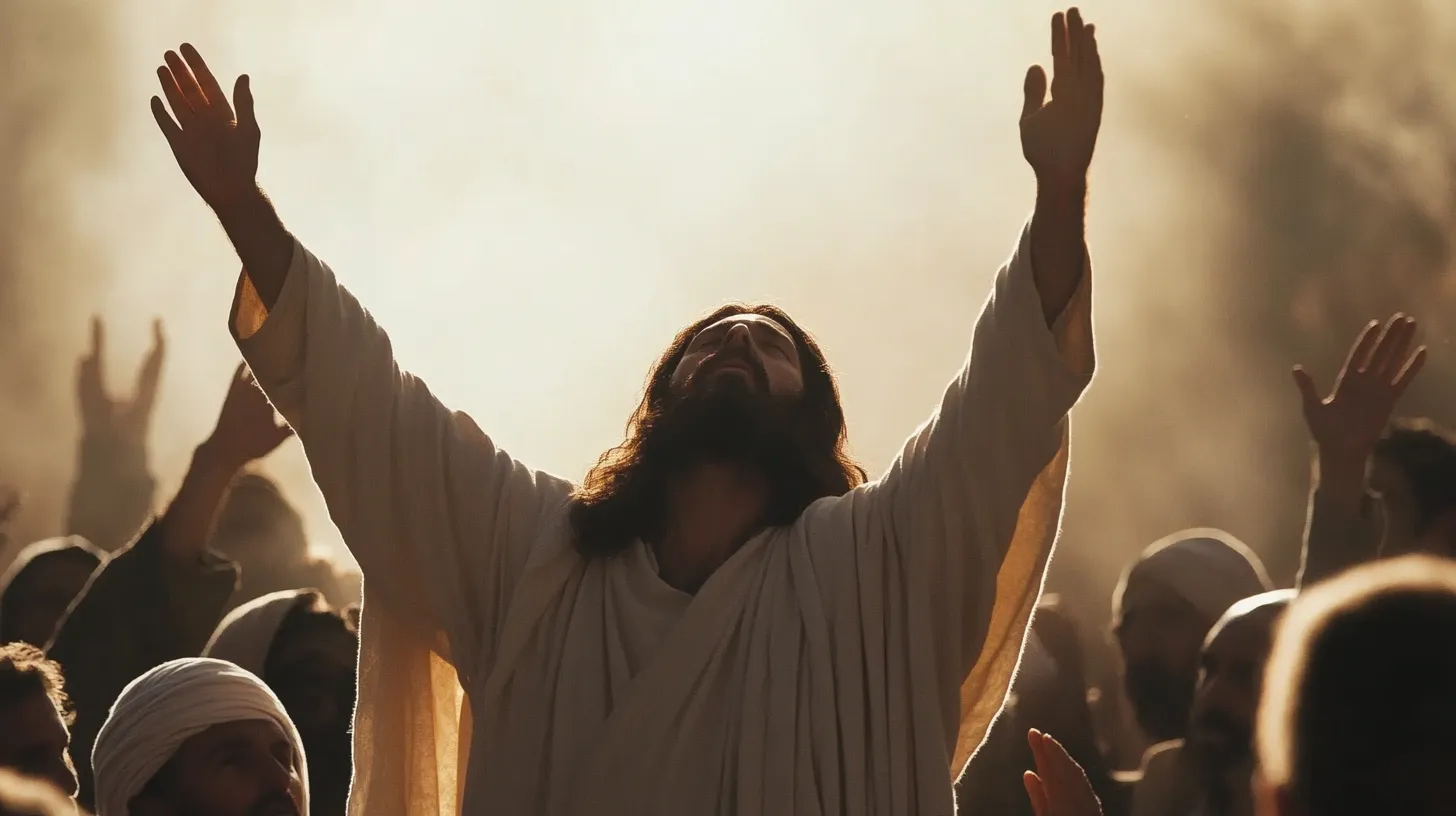 Jesus of Nazareth is an important historical figure whose life and teachings have influenced countless individuals across the globe. In Islam, Jesus (known as Isa in Arabic) is regarded as a prophet and messenger of God. The historical context surrounding Jesus within Islamic tradition emphasizes not only his role as a religious figure but also the socio-political landscape of his time. Throughout history, the Christian and Islamic narratives regarding Jesus have diverged significantly, influencing the way he is perceived by followers of both faiths.
- Holy Quran Part 30 (JUZ AMMA) Book with English Translation (12 Pcs Lot)
- Dr. Mustafa Khattab (Author)
- English (Publication Language)
- 416 Pages - 12/26/2015 (Publication Date) - Message for Humanity (Publisher)
- Karroum, Bachar (Author)
- English (Publication Language)
- 129 Pages - 02/08/2023 (Publication Date) - GoodHearted Books Inc. (Publisher)
Life and Mission in Historical Context
Jesus lived in a historically turbulent period characterized by Roman occupation in Palestine. The Jewish people were grappling with oppression, messianic expectations, and a desire for liberation. Within this environment, Jesus emerged as a reformer advocating for spiritual renewal and ethical living, preaching messages of compassion and justice. His teachings, which included the importance of monotheism, resonated deeply with the Jewish population.
Islam acknowledges this historical backdrop while interpreting Jesus’s mission through the lens of prophetic tradition. Muslims believe that Jesus’s prophetic role was to guide the Children of Israel back to the worship of one true God. The Quran highlights various aspects of his life, including his miraculous birth, miracles, and teachings, affirming his significance as a messenger. However, unlike the Christian narrative, the Quran does not view Jesus’s mission as centered around his death and resurrection. This divergence shapes the fundamental question: do Muslims believe Jesus rose from the dead? The answer remains rooted in their view of divine intervention and Jesus’s life mission as a continuation of God’s guidance rather than a culmination through crucifixion.
Writings and Influences
The rise of Islam in the 7th century CE brought renewed focus to Jesus’s teachings. The Quran draws upon and reinterprets biblical narratives, affirming the belief that prophets have come to guide humanity towards truth. This relationship to Jesus is a reflection of continued reverence rather than an outright dismissal. The historical context of Jesus’s life as narrated in the Quran enriches Islamic understanding, emphasizing the continuity of revelation through various prophets leading up to Muhammad.
Moreover, Islamic texts reference the concept of “Injeel,” the Gospel, believed to have been revealed to Jesus. Muslims view the Injeel as an essential part of the continuum of Scripture, although they assert that it has been altered over time. Thus, the appreciation for Jesus’s role remains profound, anchored in history while deferring from the Christian belief in his crucifixion and resurrection. This framework illustrates that when considering whether do Muslims believe Jesus rose from the dead, the Islamic perspective prioritizes a different understanding, emphasizing the prophetic journey rather than the narrative of death and resurrection.
Sociopolitical Ramifications
The historical context of Jesus’s life also raises the question of sociopolitical dynamics between early Muslims and Christians. As Islam spread, early Muslim communities encountered various cultures and beliefs, leading to theological discussions about Jesus’s role within the Islamic faith. The early Islamic leaders and scholars sought to clarify misconceptions originating from previous scriptures and beliefs.
In this complex environment, the idea of Jesus’s resurrection was interpreted differently, leading to an emphasis on Jesus’s ascension rather than a physical resurrection post-crucifixion. The belief that Jesus was taken up by God plays a significant role in differentiating Islamic thought from Christian doctrine—emphasizing God’s determination over human affairs. This historical backdrop reinforces the Islamic assertion regarding Jesus’s divine protection, shielding him from his enemies’ plans and solidifying his revered status as a prophet.
Interfaith Dialogue and Historical Reinterpretation
Understanding Jesus within the historical framework of Islam allows for a richer dialogue between faiths. Both Muslims and Christians agree on the importance of Jesus, yet the interpretative lens significantly alters the perception of his life, mission, and fate. The question do Muslims believe Jesus rose from the dead continues to shape interfaith discussions, inviting deeper exploration into the shared history and divergent beliefs of these two major world religions.
In conclusion, it is evident that the historical context of Jesus in Islam serves to not only honor his role as a prophet but also to clarify the religious and sociopolitical dynamics that inform Islamic teachings about him. By navigating these complexities, one can appreciate the multifaceted perspectives that exist around the life of Jesus, ultimately enriching our understanding of faith and history alike. For further reading on the biblical and Quranic perspectives of Jesus, you can refer to Islamic Awareness and Bible Gateway for deeper insights on the theological contrasts.
Conclusions on the Divergent Beliefs
The differences between Islamic and Christian beliefs regarding Jesus reflect profound theological divergences that shape the faiths of billions worldwide. Within the framework of Islamic theology, the question of whether Muslims believe Jesus rose from the dead is approached from a distinct vantage point that emphasizes the absolute sovereignty of God and the honor bestowed upon Jesus as a prophet.
Muslims hold that Jesus, revered as Isa, was neither crucified nor killed. Instead, they believe that he was raised by God, protecting him from death and ignobility at the hands of those who opposed him. This belief underscores a broader Islamic perspective that emphasizes God’s control over life and death, a central theme in the Quran. In this context, Jesus’s ascension to heaven is a moment of divine intervention, signifying his unique status without attributing to him the divine nature that Christians ascribe.
Furthermore, Islamic eschatology posits a future role for Jesus, indicating that he will return before the Day of Judgment to restore justice and defeat falsehood. This aspect of Jesus’s narrative is pivotal for Muslims, as it associates him with the ultimate conclusion of human history rather than a singular redemptive act through his resurrection. While Christians celebrate Jesus’s resurrection as the cornerstone of their faith and the guarantee of eternal life, Muslims approach the concept of resurrection in a collective sense, believing that all humanity will face resurrection for accountability before God. The Day of Resurrection will include Jesus, but it will not center upon his crucifixion and subsequent revival as it does in Christianity.
The parallels and distinctions between these theological viewpoints allow for a nuanced conversation surrounding the life and legacy of Jesus. Interfaith dialogue often revolves around the central question: do Muslims believe Jesus rose from the dead? The answer, firmly rooted in Islamic doctrine, clarifies that while Jesus is honored as a prophet and messenger, his experience is distinctly different from the Christian narrative of death and resurrection. In Islam, it is the act of God’s raising Jesus, combined with his anticipated return, that encompasses the belief system regarding this pivotal figure.
Through this exploration, it becomes clear that Muslims demonstrate profound respect for Jesus, positioning him as a key prophetic figure while adhering to a rigorous monotheism that explicitly denies his divinity or personal resurrection in the Christian sense. The centuries of theological development and historical context lead us to acknowledge that the views regarding Jesus’s fate remain one of the most defining aspects of the differences between Christian and Islamic theology.








Post Comment