
Is Islam And Muslim The Same
- Understanding Islam and Its Beliefs
- Defining Who Muslims Are
- Common Misconceptions About Islam and Muslims
- The Relationship Between Islam and the Muslim Community
- Conclusion: Clarifying the Distinction
Understanding Islam and Its Beliefs
Is Islam And Muslim The Same? To truly grasp the essence of Islam, we must embark on a nuanced exploration of its foundational beliefs and principles. Islam, derived from the Arabic root “s-l-m,” signifies peace and submission and embodies a commitment to a singular divine authority. Central to Islamic teachings is the concept of monotheism or Tawhid, which emphasizes the oneness of Allah. This belief serves as a pillar for Muslims around the globe and differentiates Islam from polytheistic faiths.
At the heart of Islam is the Qur’an, considered the literal word of God as revealed to the Prophet Muhammad through the angel Gabriel. The Qur’an is not merely a religious text; it is a comprehensive guide that addresses all facets of human existence, from ethical and moral dilemmas to laws governing personal conduct and societal matters. In addition to the Qur’an, the Hadith—the recorded sayings and actions of the Prophet Muhammad—provides context and application for the teachings outlined in the Qur’an.
Islam is framed by the Five Pillars, which serve as the fundamental acts of worship and practice. These Pillars encapsulate the core commitments required for a faithful Muslim:
- Holy Quran Part 30 (JUZ AMMA) Book with English Translation (12 Pcs Lot)
- Dr. Mustafa Khattab (Author)
- English (Publication Language)
- 416 Pages - 12/26/2015 (Publication Date) - Message for Humanity (Publisher)
- Karroum, Bachar (Author)
- English (Publication Language)
- 129 Pages - 02/08/2023 (Publication Date) - GoodHearted Books Inc. (Publisher)
1. Shahada: The declaration of faith that asserts there is no god but Allah, and Muhammad is His messenger. This testimony forms the basis of a Muslim’s belief system.
2. Salah: The performance of five daily prayers facing the Kaaba in Mecca. This routine not only reinforces spiritual discipline but also fosters a sense of unity among Muslims worldwide as they engage in collective worship.
3. Zakat: The giving of alms to the needy, which reflects the importance of social responsibility and charity in Islam. It serves as a reminder of the wealthy’s obligation to assist those less fortunate and promotes an equitable society.
4. Sawm: The observance of fasting during the month of Ramadan. This practice enhances spiritual growth, self-discipline, and empathy toward the less fortunate, facilitating a deeper understanding of community and compassion.
5. Hajj: The pilgrimage to Mecca, which every Muslim is required to undertake at least once in their lifetime if they are financially and physically able. Hajj is a profound expression of faith, representing the unity of the Muslim Ummah (community).
It is also crucial to acknowledge the concept of submission within Islam, which defines the life of a Muslim. Following the guidance set forth in the Qur’an and Hadith requires complete surrender to God’s will, impacting personal actions, social interactions, and broader community engagements. This submission is not a sign of weakness; rather, it reflects immense strength and dedication to one’s faith and responsibilities.
- Holy Quran Part 30 (JUZ AMMA) Book with English Translation (12 Pcs Lot)
- Dr. Mustafa Khattab (Author)
- English (Publication Language)
- 416 Pages - 12/26/2015 (Publication Date) - Message for Humanity (Publisher)
- Karroum, Bachar (Author)
- English (Publication Language)
- 129 Pages - 02/08/2023 (Publication Date) - GoodHearted Books Inc. (Publisher)
Moreover, Islamic beliefs extend to the recognition of a diverse range of prophets, including figures such as Abraham, Moses, and Jesus, who are revered within the Islamic tradition. While acknowledging the Three Abrahamaic faiths—Judaism, Christianity, and Islam—Islam underscores the belief that Muhammad is the final prophet, known as the Seal of the Prophets. This belief positions Islam within a continuum of religious thought while also establishing its unique theological framework.
Another essential tenet of Islamic belief is the Day of Judgment, a pivotal event where every individual will be held accountable for their actions in this life. This belief fosters a keen sense of responsibility and ethical conduct among followers, ensuring that deeds are performed with integrity and in line with divine expectation.
At its core, Islam advocates for a way of life that promotes justice, compassion, and community welfare. It emphasizes ethical living and social justice, encouraging followers to treat others with kindness and respect. The notions of brotherhood and community resonate strongly within Islamic teachings, reflecting the importance of collective responsibility and mutual support.
In understanding Islam and its extensive belief system, one can begin to appreciate the profound spirituality and rich philosophical roots that define not only the faith itself but also the diverse cultures and communities of Muslims worldwide. This multifaceted approach towards faith not only establishes a comprehensive framework for ethical and moral conduct among Muslims but also creates pathways for interfaith dialogue and understanding, crucial in an increasingly interconnected world.
As we proceed, it is vital to define who Muslims are, as their practices and beliefs stem from this deep foundational understanding of Islam and its essential doctrines.
Defining Who Muslims Are
The followers of Islam, known as Muslims, represent a diverse and vibrant community that spans the globe. Each Muslim’s individual experience with their faith is shaped significantly by cultural, geographical, and social factors. Although individuals may observe and practice their beliefs in varying ways, they are united by the fundamental tenets of their religion as outlined in the Qur’an and the teachings of the Prophet Muhammad.
Muslims are bound by their profession of faith, known as the Shahada, which declares that there is no god but Allah, and Muhammad is His messenger. This declaration is not just a ritualistic recitation; it signifies a deep personal commitment to the Islamic faith. Muslims who abide by these principles come from various cultural backgrounds, languages, and traditions, adding to the rich tapestry of the global Muslim community.
The global Muslim population, estimated to be over 1.9 billion, showcases significant diversity. Muslims can be found in every corner of the world, including the Middle East, Africa, Asia, Europe, and the Americas. In countries like Indonesia, Pakistan, India, and Bangladesh, Muslims comprise large majorities, while in others, like the United States and parts of Europe, they represent a smaller portion of the population. This diversity is evident in different cultural practices, local dialects, and interpretations of Islamic teachings, leading to varied expressions of one’s faith.
While the core beliefs of Islam remain consistent, cultural traditions can influence how these beliefs are practiced. For example, communal prayers during the month of Ramadan might involve different customs based on local traditions, but all Muslims engage in the act of fasting and prayer. The differences in practice highlight the adaptability of Islamic principles to diverse social contexts while still adhering to core tenets.
The distinction of who qualifies as a Muslim rests not only on belief but also on practice and community engagement. Many Muslims actively participate in their local mosques and community service initiatives, fostering a sense of Ummah, or community. This engagement extends beyond personal worship, as many Muslims strive to contribute positively to society, advocating for justice, education, and care for the underprivileged.
- Holy Quran Part 30 (JUZ AMMA) Book with English Translation (12 Pcs Lot)
- Dr. Mustafa Khattab (Author)
- English (Publication Language)
- 416 Pages - 12/26/2015 (Publication Date) - Message for Humanity (Publisher)
- Karroum, Bachar (Author)
- English (Publication Language)
- 129 Pages - 02/08/2023 (Publication Date) - GoodHearted Books Inc. (Publisher)
Among the challenges they face, Muslims often confront misunderstanding and stereotypes, particularly in non-Muslim majority countries. Misconceptions can arise from the lack of accurate representation of Islamic values and practices in media and popular culture. Educational initiatives and interfaith dialogues have become increasingly important in combating these false narratives and fostering a better understanding of what it means to be a Muslim in today’s world.
As we delve deeper into the nuances of the Muslim identity, the relationship between Islam and the Muslim community becomes evident. The practices grounded in faith serve as a connecting thread that binds Muslims worldwide, reinforcing both individual and collective experiences of worship, ethics, and community life. This exploration is vital in addressing the question: Is Islam and Muslim the same? While Islam refers to the faith and its teachings, Muslim describes the individuals who embrace these beliefs, embodying the principles of Islam in their lives.
In understanding the diverse identities and experiences of Muslims, we gain insight into how the practice of Islam shapes their worldviews, values, and interactions with others, shedding light on the intricate tapestry of the global Muslim community and its ongoing evolution.
Common Misconceptions About Islam and Muslims
The complexities surrounding the relationship between Islam and Muslims often give rise to various misconceptions. One prevalent myth is that all Muslims share identical beliefs and practices, but such an assumption fails to recognize the rich diversity among Muslims. This misconception leads many to generalize or stereotype individuals based solely on their faith. In reality, Muslims come from myriad cultural backgrounds, each influencing their interpretation and practice of Islam.
There are approximately 1.9 billion Muslims globally, constituting nearly 25% of the world’s population, and they vary widely in terms of cultural practices, languages, and approaches to faith. The table below provides a statistical insight into the Muslim population distribution worldwide, illustrating their widespread presence and diverse cultural tapestry.
| Region | % of Global Muslim Population | Estimated Number of Muslims |
| Asia-Pacific | 62% | 1.17 billion |
| Middle East and North Africa | 20% | 400 million |
| Sub-Saharan Africa | 15% | 290 million |
| Europe | 3% | 60 million |
| Americas | 1% | 20 million |
Misunderstanding can also stem from the portrayal of Islam in media and literature. Many people come across depictions that focus on extremism or violence, neglecting the core tenets of peace, compassion, and justice that are central to Islamic teachings. Such representations can lead to a skewed perception of Muslims, reinforcing prejudices and fostering a climate of fear. In truth, most Muslims are committed to leading peaceful lives, upholding ethical standards, and contributing positively to their communities.
Another misconception is the belief that Islam inherently subjugates women. While there are certain cultural practices in some Muslim-majority countries that may limit women’s rights, these practices are often rooted in local customs rather than Islamic teachings. It’s important to distinguish between cultural norms and the actual principles outlined in the Qur’an, which advocates for the dignity and respect of all individuals, regardless of gender.
Moreover, the conception that Muslims are inherently anti-Western or intolerant ignores the many Muslims actively engaging in interfaith dialogues and community outreach initiatives aimed at fostering understanding and mutual respect. The actions of a few do not represent the convictions of millions. The Muslim community is incredibly diverse, with many advocating for social justice, human rights, and environmental stewardship.
Understanding more about these misconceptions helps clarify the distinction between Islam as a belief system and the individuals who identify as Muslims. When we inquire, “Is Islam And Muslim The Same?”, the answer points to the broader understanding that Islam encompasses the teachings, while Muslims are the individuals who practice it; they embody the principles of Islam, contributing to a varied and rich tapestry of beliefs and traditions.
As discussion surrounding Islam and Muslims becomes increasingly relevant, promoting education and awareness is essential for dispelling myths and fostering community cohesion. Combatting misconceptions requires concerted efforts across various societal sectors, emphasizing the importance of inclusivity and representation in all narratives involving Muslims and their faith. Keeping the dialogue open and honest can lead to a more profound understanding of how interconnected our world truly is, shaped by diverse cultures and beliefs.
The Relationship Between Islam and the Muslim Community
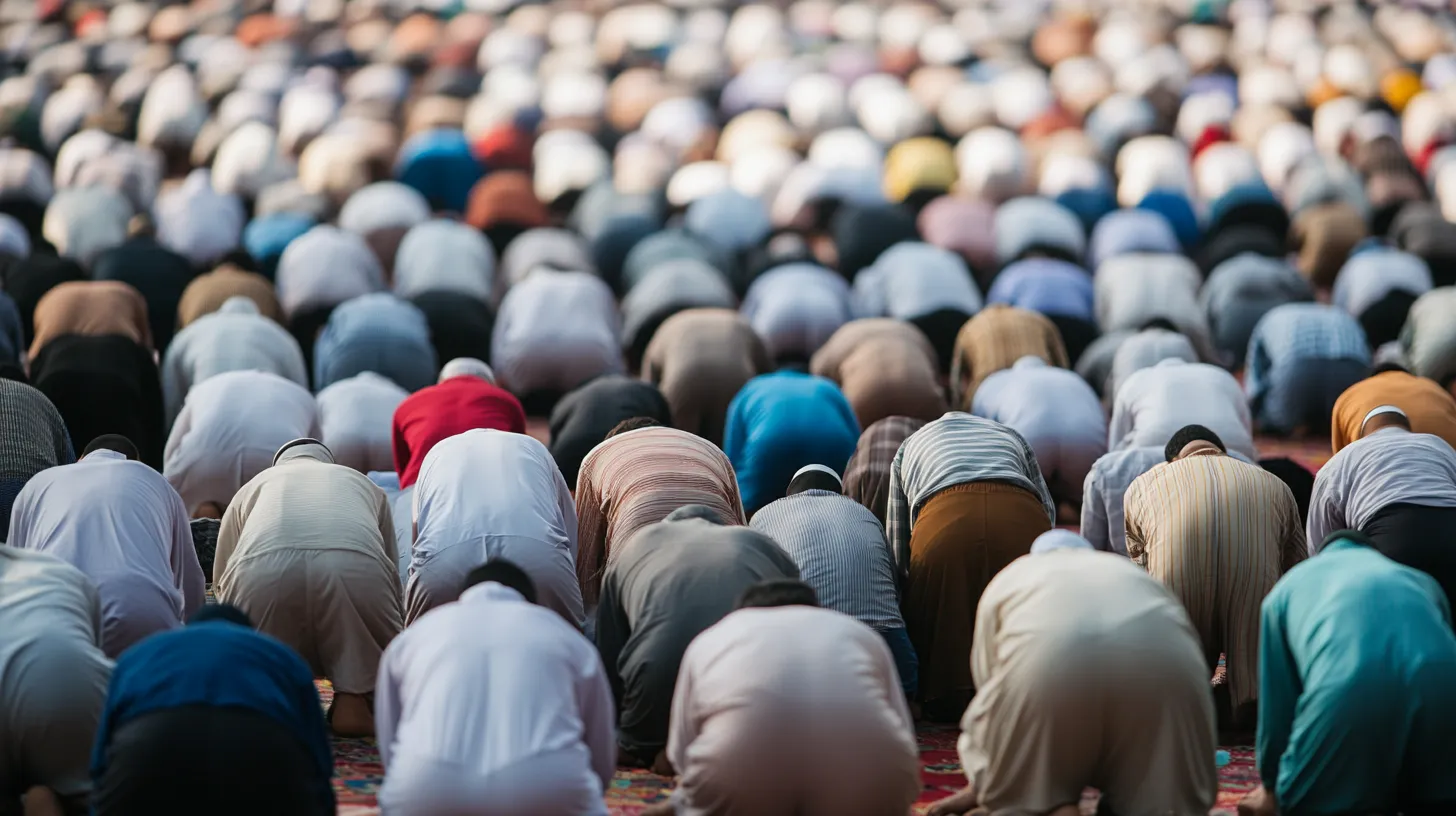
A profound connection exists between Islam and the Muslim community, as the two are interdependent yet distinct. Muslims exemplify the teachings of Islam in their lives, and this relationship defines their collective identity and personal experiences within a broader cultural context.
Religious Practices and Community Engagement
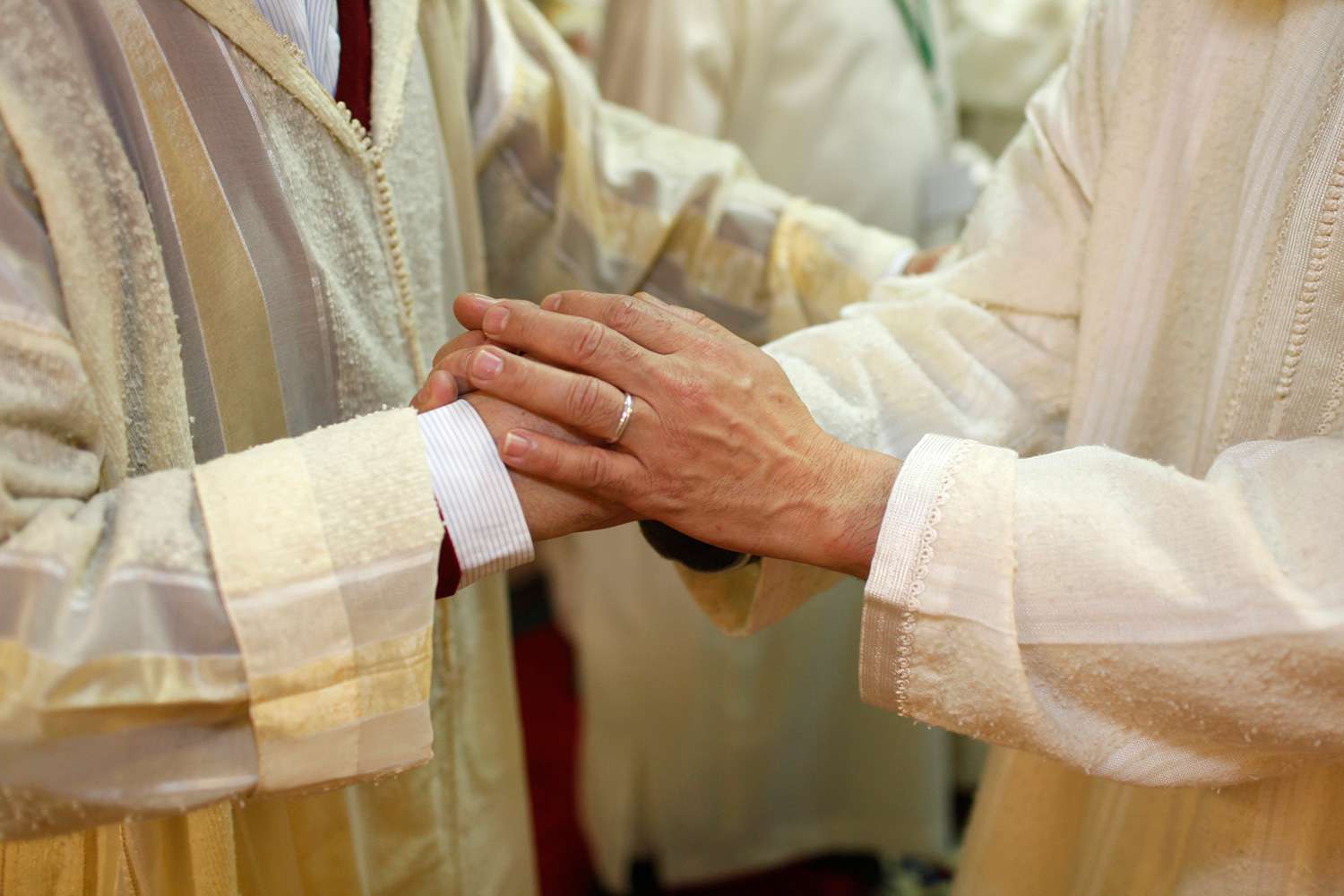
Muslims engage in various religious practices that strengthen the relationship between their faith and community. Central to their collective identity is the experience of communal worship, particularly during the five daily prayers (Salah). These prayers are not merely individual acts of devotion but symbolize unity among Muslims, reinforcing the idea of the Ummah, or global Muslim community. Events such as Jumu’ah (Friday prayers) serve not just as a religious obligation but also as social gatherings where community members come together, share experiences, and support one another. Engaging in acts of charity through Zakat and Sadaqah (voluntary charity) consequently emphasizes the vital role of community support and welfare, reflecting core Islamic values of empathy and justice ([Source](https://www.islamic-relief.org/what-is-zakat/)).
Cultural Diversity within the Muslim Community
The global Muslim community is characterized by a rich tapestry of cultural diversity, influenced by historical, linguistic, and social factors. This cultural multiplicity is evident in various expressions of Islamic practices across different regions. For instance, prayer styles, cultural celebrations like Eid al-Fitr, and even dietary customs can differ dramatically from one community to another, yet all remain firmly rooted in the fundamental principles of Islam. This diversity often gives rise to unique interpretations of Islamic teachings, fostering a dynamic dialogue that enhances the community’s depth ([Source](https://www.theislamicmonthly.com/the-diversity-of-islam-and-muslims/)). Recognizing this diversity expands the understanding of “Is Islam And Muslim The Same,” clarifying that while the faith remains consistent, the expressions and practices of Muslims are shaped significantly by their cultural backgrounds.
Islamic Values in the Muslim Community
Islam places a strong emphasis on values such as compassion, justice, and social responsibility, which resonate throughout the Muslim community. The teachings of the Qur’an and Sunnah guide Muslims in aligning their personal and communal goals with these values. Collective initiatives focusing on community service, environmental sustainability, and educational outreach are often organized by Muslims to embody these teachings practically. For example, many mosques serve as hubs for social justice advocacy, promoting dialogue around important societal issues, such as economic inequality and discrimination. This focus on improving communal well-being highlights the active role Muslims play in society, reflecting that the principles of Islam inspire actionable commitments to social change.
The Importance of Interfaith Dialogue
In an increasingly interconnected world, interfaith dialogue has become crucial for promoting understanding between Muslims and non-Muslims. Such interactions can break down barriers of misunderstanding and cultivate an appreciation for common values, such as peace and community service. Many Muslim organizations actively participate in interfaith initiatives, sharing insights about their beliefs and practices, aiming to counteract stereotypes and deepen mutual respect. By engaging with individuals from different faith backgrounds, Muslims illustrate the broader theme that while the teachings of Islam provide a spiritual framework, the actions taken by its followers demonstrate how these principles can be lived out in diverse contexts, further clarifying the question: “Is Islam And Muslim The Same?”
Ultimately, the relationship between Islam and the Muslim community is one of symbiosis, wherein the teachings and principles of Islam provide the foundation, while Muslims bring those teachings to life through their practices and community engagements. This dynamic interplay highlights the nuanced yet inseparable connection that exists between faith and its followers, each uniquely shaping the understanding and practices of the other.
Conclusion: Clarifying the Distinction
The distinction between Islam and Muslims is often overshadowed by the complexities and misconceptions surrounding both entities. Understanding this distinction is vital for grasping the unique roles each plays within the context of faith and community. Islam represents a religious framework—encompassing beliefs, practices, and teachings that guide millions of followers worldwide. In contrast, Muslims are the individuals who accept and embody these beliefs, manifesting the tenets of their faith in diverse ways shaped by culture, geography, and personal experiences.
It is essential to recognize that Islam, as a faith, lays down universal principles and guidelines, such as those found in the Qur’an and the teachings of the Prophet Muhammad. These foundational elements provide a cohesive identity for Muslims but can lead to different interpretations and practices based on various cultural backgrounds. This variability illustrates how Muslims, while united by their faith, engage with it differently, reflecting their unique societal contexts and individual experiences. Thus, when we reflect on the question, “Is Islam And Muslim The Same,” we see that while the core teachings of Islam remain consistent across the global Muslim population, the expressions of those teachings can vary widely.
Moreover, the collective experience of Muslims extends beyond individual beliefs to communal practices, significantly influencing their identity as a community. This community aspect is integral to how Islam is lived out daily. Participation in communal prayers, the observance of Islamic holidays, and engagement in acts of charity are all expressions of faith that reinforce the bonds between Muslims. When Muslims come together for prayer, celebrate Eid, or contribute to social betterment, they embody the core principles laid down in Islamic teachings, demonstrating unity within the context of cultural diversity.
Understanding that Islam as a belief system interacts dynamically with the lives of Muslims helps clarify the relationship between the two. It allows for conversations that go beyond stereotypes and misconceptions often perpetuated in media narratives. Instead of viewing Islam and Muslims as synonymous, it promotes the idea of recognizing the complexities behind each, leading to a deeper appreciation of the fabric of Muslim identities worldwide.
This nuanced distinction is critical in dialogue and discussions surrounding Islamophobia, social justice, and interfaith relations. By recognizing the diverse expressions of Islamic beliefs within the global Muslim community, we can challenge inaccurate generalizations and stereotypes while fostering a more inclusive understanding of what it means to follow Islam.
In sum, while Islam serves as the foundational belief system, Muslims represent a rich tapestry of identities woven through personal faith and cultural experiences. This is poignantly illustrated in the ongoing question: “Is Islam And Muslim The Same?” The answer lies in the richness of diversity that characterizes the global Muslim community, encapsulating both the collective adherence to a single faith and the myriad of ways it is lived out in daily life.







Post Comment