
Is Muslim Ethnic Or Religion
- Understanding the Concept of Muslim Identity
- Historical Context of Islam as a Religion
- Ethnic Diversity within the Muslim Community
- The Intersection of Ethnicity and Religious Belief
- Contemporary Perspectives on Muslim Identity
Understanding the Concept of Muslim Identity
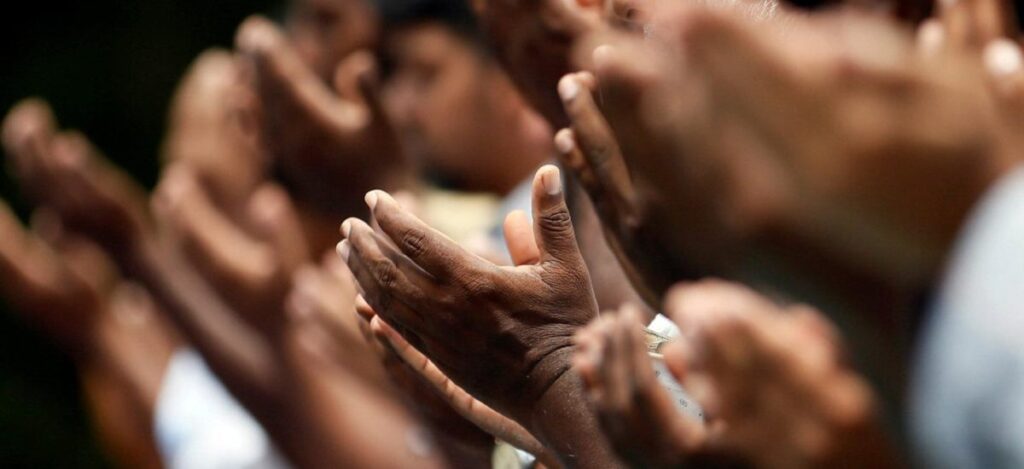
Is Muslim Ethnic Or Religion ? To understand the intricate nuances of Muslim identity, it is essential to recognize that the term “Muslim” encompasses dimensions both of religious affiliation and of cultural ethnicity. This duality often prompts individuals to question whether being Muslim is primarily an ethnic identity or a religious one. It is crucial to explore the distinctions and overlaps between these aspects to grasp the rich tapestry of Muslim identity fully.
At its core, a Muslim is defined by adherence to the Islamic faith, which is outlined in the Quran and articulated through the teachings of the Prophet Muhammad. This religious framework dictates core beliefs, rituals, and ethical guidelines that foster a sense of community among Muslims worldwide. The five pillars of Islam—Shahada (faith), Salah (prayer), Zakat (charity), Sawm (fasting), and Hajj (pilgrimage)—form the foundation of a Muslim’s spiritual life, creating a shared identity that transcends geographical and ethnic differences.
However, Muslim identity is not solely characterized by religious beliefs. The communities that practice Islam encompass an expansive array of ethnicities, languages, and cultures that significantly influence their interpretation and practice of the faith. For instance, the experience of a Pakistani Muslim may differ vastly from that of an Arab Muslim or an Indonesian Muslim, each shaped by local traditions, history, and societal norms. This diversity brings about a blend of cultural expressions, varying rituals, and even differing theological emphases.
- Holy Quran Part 30 (JUZ AMMA) Book with English Translation (12 Pcs Lot)
- Dr. Mustafa Khattab (Author)
- English (Publication Language)
- 416 Pages - 12/26/2015 (Publication Date) - Message for Humanity (Publisher)
- Karroum, Bachar (Author)
- English (Publication Language)
- 129 Pages - 02/08/2023 (Publication Date) - GoodHearted Books Inc. (Publisher)
Moreover, the historical context surrounding the emergence of Islam as a world religion adds additional layers to the understanding of Muslim identity. Originating in 7th century Arabia, Islam spread rapidly across continents through trade, conquests, and cultural exchanges. Each region that embraced Islam adapted the religion in ways that conformed to pre-existing cultural frameworks. Consequently, Islamic practices can vary significantly, from the sufi mysticism prevalent in certain South Asian communities to the more conservative interpretations found in others.
As we delve deeper, we uncover that ethnicity and religion are not mutually exclusive within the Muslim world. The intersectionality of various ethnic identities within Islam raises complex questions regarding community belonging and societal integration. The notion of Ummah, or global Muslim brotherhood, often challenges the ethnic delineations prevailing in a broader social context. Many Muslims may primarily identify as members of their larger community without discounting their ethnic backgrounds. This coalescence fosters unity amidst diversity, making it an integral part of the collective Muslim experience.
Importantly, external societal perceptions can also influence how individuals identify themselves. In various contexts, especially in non-Muslim majority countries, Muslims may confront stereotyping and discrimination, leading to a more pronounced sense of solidarity around their Muslim identity. Such dynamics may prompt individuals to navigate through their ethnic and religious backgrounds, leading to unique personal identifications that prominently feature both dimensions.
In understanding what it means to be Muslim, we must also consider the implications of modernity and globalization. In an increasingly interconnected world, the identity of Muslims continues to evolve, influenced by contemporary socio-political changes and technological advancements. These external influences can lead to a re-examination of personal beliefs and community practices, often sparking dialogues around faith, ethnicity, and national identity.
Furthermore, platforms for self-expression, including social media, have allowed diverse expressions of Islamic identity to flourish. Young Muslims, in particular, might grapple with integrating their religious beliefs into their everyday lives while engaging with broader cultural trends. The diversity of thought, understanding, and practice that emerges from these influences significantly enriches the discourse on Muslim identity.
Ultimately, the question of whether the concept of being Muslim is more ethnic or religious does not yield a straightforward answer; rather, it invites ongoing dialogue and exploration. Muslim identity captures both a sense of belonging rooted in shared faith and the rich heritage of diverse ethnic backgrounds, manifesting an identity that is both deeply personal and remarkably collective. It is this intertwining of spirituality and ethnicity that brings depth to our comprehension of what it truly means to be a Muslim in today’s multifaceted world.
- Holy Quran Part 30 (JUZ AMMA) Book with English Translation (12 Pcs Lot)
- Dr. Mustafa Khattab (Author)
- English (Publication Language)
- 416 Pages - 12/26/2015 (Publication Date) - Message for Humanity (Publisher)
- Karroum, Bachar (Author)
- English (Publication Language)
- 129 Pages - 02/08/2023 (Publication Date) - GoodHearted Books Inc. (Publisher)
Historical Context of Islam as a Religion
The emergence of Islam as a significant world religion can be traced back to the 7th century CE, initiated by the Prophet Muhammad in the Arabian Peninsula. Before its advent, the region was characterized by a rich tapestry of tribal affiliations and belief systems, including paganism, Judaism, and Christianity. Muhammad’s teachings, grounded in the revelations he received, emphasized monotheism (the belief in one God), social justice, and moral integrity. These principles resonated with many, leading to the swift establishment and spread of Islam across the Arabian Peninsula and beyond.
As Islam gained a foothold, it began to engage with various cultures and societies, an interaction that would shape its historical trajectory. The early caliphates played a crucial role in the dissemination of Islamic teachings, expanding into vast territories including parts of Africa, Europe, and Asia. This expansion was facilitated by a combination of military campaigns, trade interactions, and a notable tolerance for the existing cultural practices of newly incorporated territories. The interaction between Islam and these diverse cultures often led to the emergence of distinct regional expressions of the faith.
The Development of Islamic Scholarship
The historical context of Islam as a religion is not complete without acknowledging the profound contributions made by early Islamic scholars. From the creation of extensive libraries to the establishment of centers of learning, the Islamic Golden Age—spanning from the 8th to the 14th centuries—was marked by significant advancements in science, philosophy, medicine, and the arts. Scholars, such as Al-Farabi, Ibn Sina (Avicenna), and Al-Ghazali, produced works that explored various aspects of knowledge through an Islamic lens, which further cemented Muslim identity as both a religious and intellectual pursuit.
During this period, Arabic emerged as the lingua franca of Islamic scholarship, which brought diverse communities under a shared language of knowledge. This intellectual unity would later lay the groundwork for multiple cultural developments within the Muslim world, influencing everything from architecture to literature, and ultimately shaping the identity of Muslims globally. It forged connections among disparate ethnic communities, as the pursuit of knowledge became a collective endeavor.
However, the proliferation of Islamic thought also brings to light the complex interaction between local traditions and religious practices. As Islam spread, it did not erase pre-existing cultural identities; rather, it often assimilated elements from local customs, which resulted in a rich diversity of practices within the overarching framework of Islamic belief. For instance, the incorporation of Persian cultural elements into Islamic art and literature demonstrates how ethnic diversity played a pivotal role in shaping Muslim identity, even as adherents remained committed to the foundational tenets of their faith outlined in the Quran.
The Formation of Islamic Empires and Local Identities
The rise of various Islamic empires, such as the Umayyad and Abbasid caliphates, also contributed to the intricate narrative of Muslim identity. With the establishment of centralized political power, regional differences began to crystallize as local customs blended with Islamic teachings. The Umayyads, for instance, emphasized Arabic as a unifying language, while the Abbasids promoted cultural exchanges and the incorporation of non-Arab elements into their governance and religious practice. Therefore, cities like Baghdad and Cordoba became melting pots of diverse ethnicities, where Muslims from different backgrounds would coexist, engage in commerce, and participate in intellectual pursuits.
As Islam continued to expand globally, the interactions between Muslim communities and non-Muslim populations further complicate the historical narrative of Muslim identity. Various regions integrated Islam differently based on existing social norms and customs. In places like Southeast Asia, Islam often intertwined with local traditions and practices, creating unique manifestations of the faith that reflect the local socio-cultural environment.
The convergence of Islamic teachings with diverse ethnic backgrounds and local traditions contributed to a complex tapestry of identities that extends into the modern world. The historical backdrop of Islam not only informs the quest for understanding but also establishes a nuanced perspective on the question “Is Muslim Ethnic Or Religion.” Acknowledging the significant historical developments within Islamic history reveals that while religious belief is a defining aspect of Muslim identity, the rich ethnic diversity and cultural contexts equally play an essential role in shaping the collective experience of Muslims across the globe. This multifaceted history continues to influence how individuals understand and express their Muslim identity today, highlighting the intricate interplay between ethnicity, culture, and religion within the dynamic Muslim community.
Ethnic Diversity within the Muslim Community
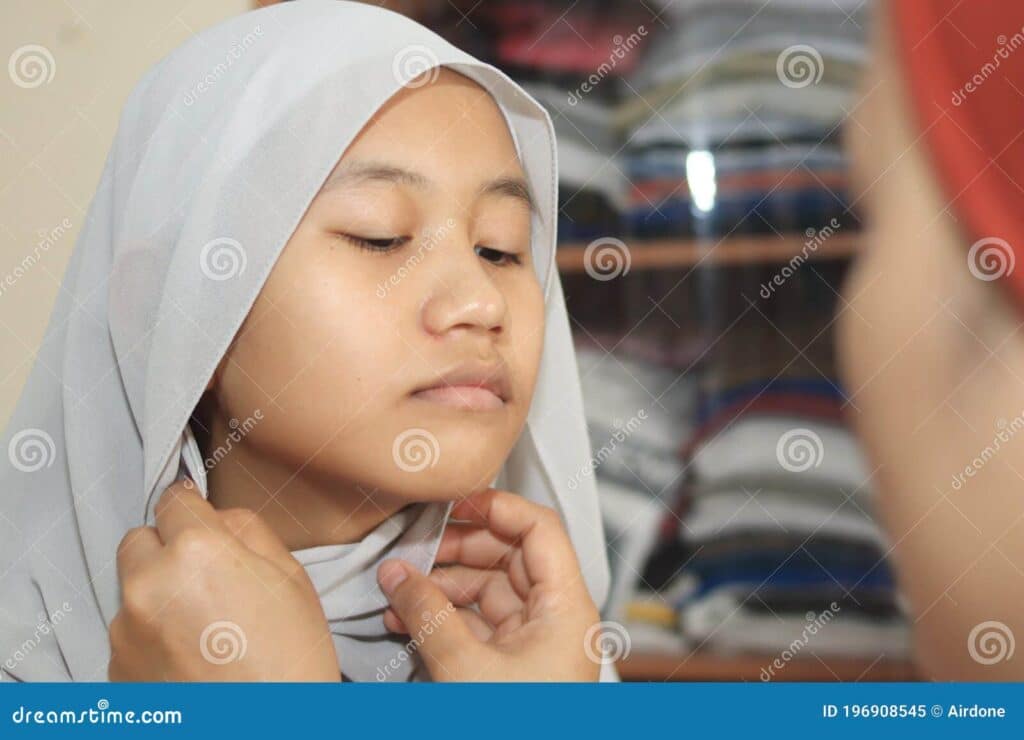
The Muslim community is characterized by an extraordinary ethnic diversity, uniting various cultures, languages, and traditions under the umbrella of Islam. This diversity emerges from the historical spread of Islam across continents, leading to the establishment of numerous ethnic groups that identify as Muslim. For example, today, Muslims can be found in nearly every corner of the globe, with significant populations in regions such as North Africa, the Middle East, South Asia, Southeast Asia, and even Europe and North America. Each of these groups contributes its unique cultural heritage to the broader Muslim identity, demonstrating that the question of whether “Is Muslim Ethnic Or Religion” is not easily defined.
- Holy Quran Part 30 (JUZ AMMA) Book with English Translation (12 Pcs Lot)
- Dr. Mustafa Khattab (Author)
- English (Publication Language)
- 416 Pages - 12/26/2015 (Publication Date) - Message for Humanity (Publisher)
- Karroum, Bachar (Author)
- English (Publication Language)
- 129 Pages - 02/08/2023 (Publication Date) - GoodHearted Books Inc. (Publisher)
Ethnic Groups and Cultural Practices
Muslim identity can encompass a wide range of ethnicities. This is exemplified by the difference in practices and cultural expressions among various Muslim communities worldwide. For instance, the Bengali Muslims of Bangladesh have distinct traditions, including unique wedding rituals and cuisine, that reflect their local heritage. In contrast, Turkish Muslims have cultural practices influenced by their historical experiences, such as their traditions in art, architecture, and social norms. These differences continue to coexist within the framework of Islamic beliefs, revealing a complex interaction between ethnicity and religion.
| Ethnic Group | Region | Population (approx.) | Distinct Cultural Practices |
|---|---|---|---|
| Bengali | South Asia | 160 million | Traditional Baul music, pitha (rice cakes) |
| Turkish | Middle East | 82 million | Culinary traditions like kebabs, Ottoman architecture |
| Arab | North Africa / Middle East | 350 million | Traditional Arabic calligraphy, diverse dialects |
| Malay | Southeast Asia | 25 million | Influence of nature in art, traditional dances |
| Central Asian | Central Asia | 40 million | Nomadic traditions, unique storytelling |
Language and Identity
Language serves as a critical aspect of cultural identity within the Muslim community. For example, Arabic is the liturgical language of Islam, meaning that Muslims around the world recite prayers and read the Quran in Arabic regardless of their native languages. However, beyond religious practices, various ethnic groups engage in their local languages, which further enriches their cultural heritage. Practitioners from countries like Indonesia, the world’s most populous Muslim-majority nation, speak Bahasa Indonesia, which influences their expressions of religion and cultural festivities.
This linguistic diversity exemplifies how language and culture intermingle with religious identity and contribute to the broader question of “Is Muslim Ethnic Or Religion.” The need to maintain a connection with one’s ethnicity often resonates within the Muslim community, allowing for a personalized interpretation and experience of Islamic teachings.
The Role of Migration and Diaspora
The increasing rates of migration and the establishment of the Muslim diaspora have further complicated the understanding of ethnic diversity within the Muslim community. As Muslims migrate to new countries, they often establish communities that maintain their unique cultural practices. For example, South Asian Muslims in the United Kingdom have created vibrant cultural spaces, while maintaining their religious observances and integrating aspects of British culture. This blending of cultures illustrates the dynamic nature of Muslim identity, where ethnicity is both a source of pride and a critical element in how individuals perceive their place within the global Muslim community.
With the emergence of diverse Muslim identities across the globe, it becomes clearer that their experience cannot be reduced to a strict binary of ethnicity versus religion. Rather, the question of “Is Muslim Ethnic Or Religion” reveals a multifaceted experience, intertwining personal beliefs, ethnic backgrounds, and cultural practices, all of which contribute to a vibrant and dynamic community.
The Intersection of Ethnicity and Religious Belief
 The relationship between ethnicity and religion within the Muslim community is deeply intertwined, influencing personal beliefs, cultural practices, and communal identities. To explore the intersection of these identities requires an understanding of how individual experiences shape one’s perception of faith and ethnicity, as well as how societal norms and expectations play a role in these reflections. The question “Is Muslim Ethnic Or Religion” becomes a platform for dialogue that acknowledges the complex realities faced by individuals navigating multiple identities.
Religious Practices and Ethnic Identity
In many cases, religious practices are not homogenously applied across different ethnic groups. The ways in which rituals and customs are observed can vary greatly depending on cultural backgrounds. For instance, Islamic celebrations such as Eid al-Fitr or Eid al-Adha often intertwine with local traditions, showcasing a blend of religious devotion and ethnic heritage. In Turkey, the Eid festivities may include special culinary traditions, while in parts of West Africa, communal prayers could be complemented by culturally specific music and dance. This illustrates that for many, being Muslim encompasses not only adherence to religious beliefs but also an engagement with cultural customs that affirm their ethnic identity. This nuanced approach challenges us to consider the ongoing discourse around “Is Muslim Ethnic Or Religion,” emphasizing that both elements are integral to community cohesion.
For a deeper understanding of the cultural richness of these practices, consult sources such as Everyday Sociality in the Spirit of Eid, which discusses how local customs can intertwine with Islamic practices.
The Impact of Modernity on Muslim Identity
With the onset of modernity and globalization, the intersections of ethnicity and religion have further evolved. The accessibility to information through the internet and various media has fostered a broader exchange of ideas and practices among different Muslim communities. Contemporary Muslims are often faced with the challenge of balancing modern societal influences with traditional beliefs, leading to an evolution of what it means to be part of the Muslim ummah. This modern context can heighten the relevance of ethnicity in projecting one’s Muslim identity, leading to a reassertion of ethnic customs alongside Islamic teachings.
Moreover, younger generations of Muslims may find themselves redefining their identities influenced by both their ethnic backgrounds and global cultural trends, prompting discussions on what it means to be part of the Islamic faith in a rapidly changing world. This dynamic interplay of tradition and modernity complicates the simplistic binary of “Is Muslim Ethnic Or Religion,” illustrating that identity in contemporary times is fluid and complex.
To explore the globalization of Islam and its effects, visit Globalization 101, which provides insights into how global phenomena shape local practices.
Personal Narratives and Identity Formation
The individual Muslim experience forms a rich tapestry of beliefs and identities, reflecting personal journeys that shape understandings of faith and ethnicity. Many Muslims may find solace in their ethnic communities, where shared traditions bolster their sense of identity, yet also identify strongly with the universal principles of Islam. Personal narratives often highlight how individuals navigate moments where ethnic identity might clash with religious expectations or vice versa. A Malay Muslim living in the West may celebrate Ramadan in a manner that is influenced by both their Malaysian heritage and the cultural practices of their new home.
These narratives contribute to an ongoing dialogue about “Is Muslim Ethnic Or Religion,” as personal stories reveal the multifaceted nature of identity formation and the importance of context when understanding one’s belief system. Such accounts foster empathy and recognition of the nuances inherent in being part of a diverse, global community with shared faith yet distinct cultural backgrounds.
The complexity and richness of Muslim identity cannot be distilled into a singular definition. Instead, it serves as a reminder that ethnicity and religion are deeply interconnected, each enhancing the understanding of the other while showcasing the diversity within the Muslim experience. As society continues to evolve and change, so too will the dialogues surrounding what it means to be a Muslim in today’s world, embodying both the ethnic and religious dimensions that intertwine to shape identity.
Contemporary Perspectives on Muslim Identity
Emerging from the rich tapestry of history and cultural intersections, contemporary perspectives on Muslim identity reflect significant shifts in understanding both religion and ethnicity within the community. Today, the conversation surrounding the question “Is Muslim Ethnic Or Religion” is particularly crucial, as it encapsulates the intricate dynamics of faith and cultural identity in an increasingly globalized world.
In modern society, Muslims grapple with the confluence of their religious beliefs and ethnic backgrounds, often defining their identity along both lines. This dual identification can manifest in various ways, with some individuals placing greater emphasis on their ethnic heritage while others find that their religious affiliation serves as the primary lens through which they view their identity. In urban centers around the world, such as London, New York, or Kuala Lumpur, diverse Muslim communities coexist, each bringing their unique ethnic practices and interpretations of Islam, thus contributing to a broader mosaic of what it means to be Muslim today.
Social media has emerged as a notable platform where various expressions of Muslim identity thrive. Young Muslims, in particular, utilize platforms like Instagram, Twitter, and TikTok to share their experiences, blending cultural narratives with Islamic teachings. These digital spaces often highlight how ethnic traditions interact with religious practices, presenting a nuanced representation of what it means to be part of the Muslim community. By engaging with a global audience, these platforms foster a dialogue around “Is Muslim Ethnic Or Religion,” encouraging individuals to explore and reflect on their own identities in relation to the evolving landscape of modernity.
The influence of migration also plays a significant role in contemporary narratives about Muslim identity. As individuals move across borders—either due to economic opportunities, educational pursuits, or fleeing conflict—they carry with them the complexities of their ethnic backgrounds and religious beliefs. In new environments, they often seek to retain connections to their heritage while also adapting to unfamiliar cultural contexts. For instance, Yemeni Americans might retain traditional practices at family events while also navigating the broader American cultural landscape. These everyday interactions and negotiations further complicate the simplistic question of “Is Muslim Ethnic Or Religion,” revealing that personal experiences are deeply interwoven with broader social realities.
Moreover, contemporary Muslim identity is increasingly influenced by discussions around intersectionality. Gender, race, and socio-economic status intersect with ethnic and religious identities, compelling a more inclusive understanding that acknowledges the multiplicity of experiences within the Muslim community. Female voices, particularly those of ethnic minority backgrounds, are increasingly prominent in both religious scholarship and activism, pushing against traditional norms and contributing to a redefinition of what it means to be both a believer and an ethnic minority in the contemporary world.
As global events shape public perceptions of Muslims, external factors such as stereotyping and Islamophobia also compel communities to solidify their identities. In the face of discrimination or misunderstanding, many Muslims draw closer to their fellow believers, finding strength in their shared faith while also embracing the richness of their ethnic backgrounds. This solidarity can lead to a more pronounced awareness of identity, propelling discussions about what it means to be part of the Ummah (global Muslim community) despite differences in ethnicity or culture.
Finally, educational initiatives and interfaith dialogues represent another frontier in shaping contemporary perspectives on Muslim identity. Many organizations strive to build bridges between different communities, fostering a deeper understanding of the intricacies of Muslim identity that encompass both religious and ethnic dimensions. Through these efforts, individuals are presented with opportunities to learn about the diverse practices and beliefs within Islam, prompting a re-evaluation of preconceived notions about what it means to be Muslim in today’s society.
In summary, contemporary perspectives on Muslim identity highlight its complexities, affirming the notion that the question “Is Muslim Ethnic Or Religion” invites rich, ongoing discourse. The interplay between faith and ethnicity continues to evolve, reflecting broader social, cultural, and political currents that shape the lived experiences of Muslims around the world.







Post Comment