
Is Jew A Religion Or Ethnicity
- Defining Judaism: Religion and Belief Systems
- Understanding Jewish Ethnicity and Cultural Identity
- Historical Context of Jews as a Religious and Ethnic Group
- Contemporary Perspectives: Religion vs. Ethnicity in Judaism
- The Intersection of Religion and Ethnicity in Jewish Experience
Defining Judaism: Religion and Belief Systems
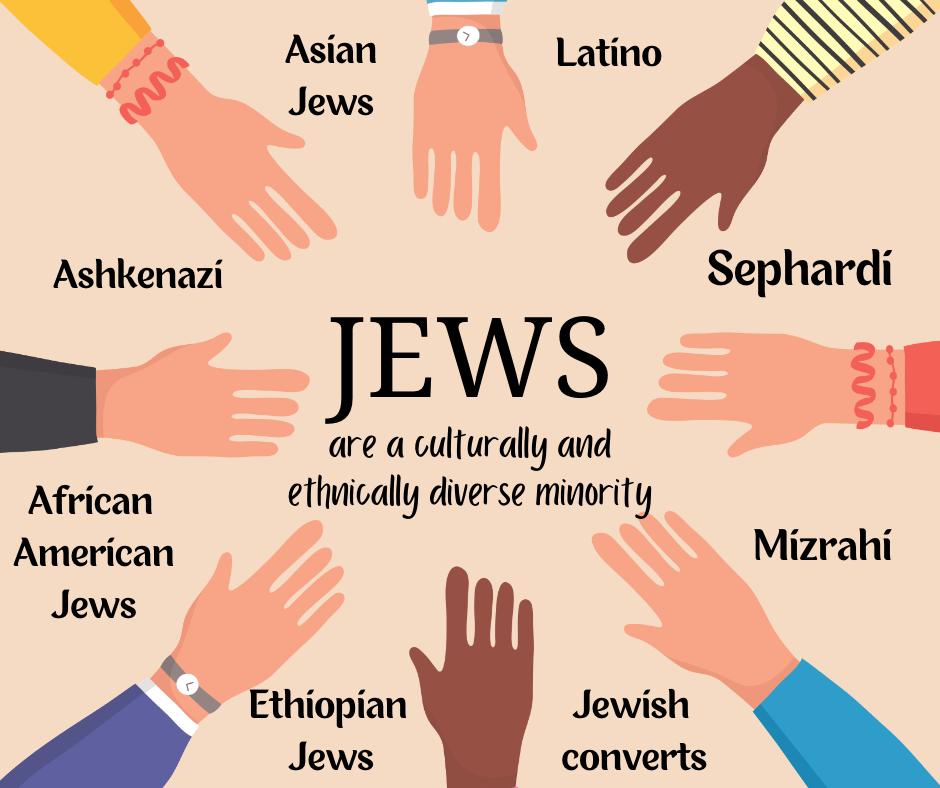
Is Jew A Religion Or Ethnicity ? Judaism emerges as a complex tapestry woven from threads of spirituality, cultural heritage, and social connectivity. At its core, Judaism is a monotheistic religion, characterized by the belief in a singular, all-powerful God. This foundational tenet shapes the religious practices and moral values of Jewish adherents, guiding their daily lives and communal interactions. There are several key components that define the rich landscape of Judaism, including sacred texts, rituals, ethical codes, and a deep historical narrative that reinforces both individual and collective identities.
The Torah, regarded as the most sacred text in Judaism, serves not only as a spiritual guide but also as a vital historical document recounting the covenant between God and the Jewish people. The Pentateuch, comprising the first five books of the Hebrew Bible, outlines the laws and commandments—collectively known as mitzvot—that Jews are expected to follow. These religious prescriptions are not merely ritual obligations, but are deeply intertwined with ethical conduct and communal responsibilities.
Rituals play an integral role in Jewish life, ranging from daily practices such as prayer and dietary laws (kashrut) to life-cycle events including circumcision, bar and bat mitzvahs, and funeral rites. Each ritual embodies significant theological principles and serves to maintain a spiritual and cultural link between past traditions and contemporary society.

- Used Book in Good Condition
- Hardcover Book
- English (Publication Language)
- 394 Pages - 01/01/1992 (Publication Date) - JEWISH PUBLICATON SOCIETY (Publisher)
Moreover, concepts of ethical behavior in Judaism extend beyond personal morality; they encompass social justice and communal welfare. The Jewish principle of tikkun olam, or “repairing the world,” illustrates a commitment to social action and ethical responsibility. This reflects the notion that one’s spiritual life cannot be separated from the ethical dimensions of their interactions with others and the environment.
In addition to the sacred texts and rituals, Jewish beliefs also encompass a shared history that shapes theological discourse. The suffering and resilience experienced throughout history, particularly during pivotal moments such as the Exodus from Egypt, the Babylonian Exile, and the Holocaust, deeply influence Jewish identity. These narratives form not just a historical record but are crucial in shaping the collective Jewish consciousness, reinforcing the importance of memory and continuity within the faith.
In the context of Jewish beliefs, the question of “Is Jew A Religion Or Ethnicity?” emerges as a meaningful inquiry. While Judaism encompasses a fully articulated set of religious doctrines and practices, it inherently involves a connection to an ethnicity and a shared cultural identity among the Jewish peoples. This dual aspect is particularly noteworthy as it fosters a sense of belonging and community that transcends geographical boundaries and individual beliefs.
Secularism also plays an increasingly prominent role within modern Jewish identity. There exists a segment of the Jewish population that identifies as culturally Jewish rather than observantly religious. This includes individuals who engage with Jewish traditions and customs primarily through a cultural lens, showcasing the fluidity between religious observance and ethnic identity that marks contemporary Jewish experience.
Such dynamics raise essential questions about the definitions of belonging and identity within Judaism. As society evolves, so too do the interpretations and expressions of what it means to be Jewish. The contemporary landscape displays an intricate interplay of religious conviction, ethnic connection, and cultural expression—making it crucial to appreciate the multifaceted nature of Jewish identity in this globalized world.
Particularly in a modern context, the ongoing dialogue about “Is Jew A Religion Or Ethnicity?” enriches our understanding of the Jewish experience. This intersection of faith and identity emphasizes the importance of recognizing both the religious and ethnic components as integral to the overall Jewish narrative. Understanding these dynamics can enhance our appreciation of the diverse expressions of Jewish life today, as individuals and communities navigate their unique paths within this rich tradition.
- Used Book in Good Condition
- Hardcover Book
- English (Publication Language)
- 394 Pages - 01/01/1992 (Publication Date) - JEWISH PUBLICATON SOCIETY (Publisher)
Understanding Jewish Ethnicity and Cultural Identity

Jewish ethnicity and cultural identity are important aspects that shape the broader conversation about the question, “Is Jew A Religion Or Ethnicity?” This inquiry highlights the reality that being Jewish is not merely confined to religious practice; it encompasses a rich tapestry of cultural elements, shared experiences, and collective memory. Understanding Jewish identity requires acknowledging the complex interrelation of these factors, which together create a distinctive ethnocultural group.
Historical Ties and Cultural Heritage
At the heart of Jewish ethnicity lies a shared historical narrative, steeped in millennia of experiences that have forged a strong sense of community among Jews worldwide. This history, marked both by periods of flourishing and times of adversity, strengthens the bond between Jews, irrespective of their level of religious observance. Festivals such as Passover and Hanukkah serve as cultural touchstones that unite individuals, extending beyond the religious significance to emphasize values, customs, and shared stories. These celebrations foster a sense of belonging that transcends religious boundaries, tying individuals to a broader ethnic identity.
The concept of Jewish ethnicity also encompasses language and traditional practices. Hebrew and Yiddish are languages that carry the weight of cultural significance, serving as vehicles for literature, philosophy, and folklore. These languages are repositories of collective memory, infused with expressions that reflect the unique experiences and values of the Jewish people. Even those who may not speak these languages fluently often feel a connection to them through cultural expressions such as music, dance, and culinary traditions, further solidifying their ethnic identity.
Moreover, Jewish life is often characterized by a strong emphasis on family and community. The concept of *Kehillah*, or community, is central to Jewish identity, underscoring the importance of social connections and mutual support. This communal spirit extends to both religious and secular gatherings, creating an environment where individuals can celebrate their heritage, share their challenges, and derive strength from one another. The embracing of community plays a significant role in reinforcing a collective identity that is grounded in both ethnicity and cultural tradition.
- Used Book in Good Condition
- Hardcover Book
- English (Publication Language)
- 394 Pages - 01/01/1992 (Publication Date) - JEWISH PUBLICATON SOCIETY (Publisher)
Secularism and Cultural Expression
The modern landscape of Jewish identity includes a noteworthy presence of secular Jews, who may not adhere strictly to religious practices yet identify strongly with the cultural and ethnic aspects of being Jewish. This secularism illustrates the dynamic and evolving nature of Jewish identity, as individuals navigate their commitment to cultural heritage while often distancing themselves from traditional religious frameworks. Secular Jews may actively participate in Jewish life through cultural events, educational programs, and advocacy for social justice, demonstrating how ethnicity can thrive independently from religious identity.
Importantly, the discussion surrounding “Is Jew A Religion Or Ethnicity?” also amplifies voices within the Jewish community who advocate for broader definitions of identification. Individuals from diverse backgrounds, including those who may convert to Judaism or have mixed heritage, challenge the narrow categorizations of Jewish identity. The recognition of varied experiences and interpretations signifies that Jewish identity is not a monolithic experience but rather a diverse mosaic reflecting myriad cultural, religious, and personal narratives.
Acknowledging the fluidity between religious significance and ethnic identity allows for a more comprehensive understanding of Jewishness. As individuals express their identities in contemporary contexts, a richer dialogue emerges around the intersections of culture, ethnicity, and faith, continuing to inform the ongoing exploration of what it truly means to be Jewish in today’s world. This multifaceted identity is a vital aspect of the broader question of Jewish existence and provides an opportunity for renewed understanding and appreciation of the diverse expressions within the Jewish experience.
Historical Context of Jews as a Religious and Ethnic Group
Throughout history, the Jewish people have navigated a complex tapestry of identity that blends religion with ethnicity. This intricate relationship is crucial in understanding Jews as both a religious and ethnic group. The historical context forms the foundation for these identities, influencing how the question “Is Jew A Religion Or Ethnicity?” is perceived today.
The Origins of Jewish Identity
Jewish identity begins with ancient roots, dating back to the biblical figures of Abraham, Isaac, and Jacob. Early narratives outline the foundational events that shape Jewish life, such as the covenant between God and the Israelites, which establishes not only a religious identity but also a shared ethnic lineage. As the Jewish people became a distinct group, they were marked by their unique traditions, laws, and cultural practices that set them apart from neighboring civilizations.
As the centuries progressed, the Jewish people faced numerous trials that further defined their collective identity. The experiences of slavery in Egypt, the giving of the Torah at Mount Sinai, and the Babylonian Exile contributed to the development of a resilient communal identity. Each historical moment reinforced a sense of belonging that transcended individual religious practices. This communal experience has resulted in a shared narrative that continues to resonate, leading many to view Jewish identity through both a religious and ethnic lens.
Historical Persecution and Resilience
The history of persecution faced by Jews has undeniably shaped their identity as both a religious and ethnic group. The diaspora that resulted from various expulsions and persecutions—most notably during the Roman conquest, the Spanish Inquisition, and the Holocaust—created a scenario where Jews maintained their cultural heritage and identity in the face of adversity. These experiences fostered a profound sense of connection among Jews across different geographies, defining them as a group that endures regardless of their religious observance.
During the Enlightenment, Jews began to enter broader European society, which prompted discussions about identity in the context of assimilation. The desire for acceptance often conflicted with the retention of cultural practices and religious observance. This period raised crucial questions about what it meant to be Jewish. As a result, a new wave of Jewish thinkers emerged, advocating for a blending of religious devotion and ethnic pride. This dialogue illustrated the duality embedded in Jewish identity, showcasing how one’s ethnic background could exist alongside, and even complement, religious beliefs.
Statistics reflecting Jewish identity can further illustrate this duality:
| Aspect | Percentage of Respondents |
|---|---|
| Identify strongly with Jewish ethnicity | 65% |
| Consider Judaism primarily a religion | 45% |
| Customs/Traditions influence Jewish identity | 77% |
| Secular Jews identifying with culture | 35% |
| Participation in festivals | 82% |
These statistics reflect a vibrant Jewish identity where a significant portion of the Jewish population embraces ethnic identity alongside, or sometimes instead of, religious affiliation. The dichotomy explored by the question “Is Jew A Religion Or Ethnicity?” becomes increasingly complex as individuals assert their identities in diverse contexts, revealing that ethnicity, history, and culture are equally significant in defining Jewish life.
The historical context of Jews as a religious and ethnic group is thus rich and multifaceted. Recognizing the influences of shared history, persecution, and resilience helps unravel the layers that contribute to this ongoing discourse about identity. As modern Jewry continues to explore its identity, the dialogue surrounding religion and ethnicity grows ever more relevant, emphasizing the interconnectedness of these elements and their impact on contemporary Jewish experience.
Contemporary Perspectives: Religion vs. Ethnicity in Judaism

The contemporary landscape of Jewish identity reveals a vibrant and multifaceted interplay between religious belief and ethnic belonging. The question, “Is Jew A Religion Or Ethnicity?” continues to prompt critical discussions among scholars, community leaders, and members of the Jewish diaspora, challenging conventional definitions and encouraging a nuanced understanding of what it means to be Jewish today.
Religious Practice and Ethnic Identity
Judaism as a religion provides a foundation for many Jews, with its rituals, traditions, and communal practices serving to unite individuals within a shared faith. Yet, for significant portions of the Jewish population, ethnic identity has taken center stage. Many Jews, whether observant or secular, embrace their cultural heritage, participating in traditions that connect them to a broader Jewish history despite their varying levels of religious observance. Events such as Passover seders, bar and bat mitzvahs, and Hanukkah celebrations are not only religious observances but are also cherished moments that affirm Jewish identity and culture. In this way, both religion and ethnicity work in concert to shape Jewish communal experiences.
Secular Jews, in particular, illustrate this dynamic relationship, often identifying more with cultural aspects of Judaism than with its religious doctrines. This shift toward secularism highlights how Jewish identity may evolve over time, allowing individuals to connect with their heritage while stepping away from traditional religiosity. As a result, the contemporary discourse around “Is Jew A Religion Or Ethnicity?” acknowledges a spectrum of identities within the Jewish community, showcasing how personal and shared experiences influence one’s understanding of Jewishness.
To delve deeper into these themes, texts such as “The Modern Jewish Experience: A Guide to the Cultural and Social Landscape” provide valuable insights into the blending of religion and ethnicity. Additionally, explorations of Jewish art, music, and cuisine can reveal the ways in which cultural expressions embody and perpetuate Jewish identity, reinforcing the relevance of ethnicity within the broader context of Jewish life.
Intersections of Identity in a Globalized World
In our increasingly globalized world, the question of identity becomes more complex and multifaceted. Many Jews find themselves navigating multiple layers of identity, influenced by their geographical location, community dynamics, and personal experiences. This fluidity complicates the binary debate of “Is Jew A Religion Or Ethnicity?” as individuals often embody both elements within their understanding of themselves.
Jews living in diverse countries may have distinct cultural adaptations that reflect their surroundings while retaining an intrinsic connection to their Jewish roots. For instance, Israeli Jews may blend their ethnic identity with a strong sense of national identity, while Jewish communities in the United States may encompass a wide range of practices—from traditional observance to cultural celebrations that highlight their immigrant heritage. This interplay emphasizes that identity is often more nuanced than simply being categorized by religion or ethnicity.
Organizations such as the Jewish Federations of North America work to address these complexities, bringing together diverse Jewish communities regardless of their religious affiliations, and fostering solidarity through cultural programs and initiatives. Such efforts reflect a broader acknowledgment of the importance of ethnic identity within contemporary Jewish experiences.
Engaging with the Question of Identity
The ongoing exploration of what it means to be Jewish invites individuals to engage with the question, “Is Jew A Religion Or Ethnicity?” in profound and personal ways. Many Jews are actively redefining their relationship to their faith, heritage, and community, often seeking to reconcile their individual experiences with the collective narrative of the Jewish people.
This journey can involve rediscovering familial connections, engaging with Jewish educational resources, or participating in community-driven projects that celebrate and promote Jewish culture and history. These activities foster a deeper understanding and appreciation of one’s roots and can empower individuals to claim and express their identities as both religious and ethnic Jews.
In academic and social discussions, documentaries like “Defying the Nazis: The Sharps’ War” illustrate the importance of Jewish ethics and responsibility, reinforcing the dual heritage of being Jewish—both as a faith community and as an ethnic group intertwined through shared historical experiences.
As we navigate these layered identities, it becomes essential to recognize and respect the diversity that exists within Jewish communities. Engaging with the question, “Is Jew A Religion Or Ethnicity?” ultimately broadens the conversation to encompass a range of perspectives, reflecting the complexity of a living tradition defined by faith, culture, and historical continuity.
Looking Forward: Evolving Definitions
As society continues to evolve, so too does the conversation surrounding Jewish identity. The question, “Is Jew A Religion Or Ethnicity?” serves not only as a prompt for introspection among individuals but also as a catalyst for broader societal discussions about inclusion, diversity, and identity politics within multi-ethnic and multi-religious contexts.
Emerging scholarship in this area emphasizes the need for inclusivity in defining Jewish identity, recognizing that various experiences and backgrounds enrich the Jewish narrative. The Jewish community is experiencing ongoing changes—interfaith marriages, conversion, and the diverse cultural backgrounds of Jews worldwide contribute to the ever-evolving tapestry of what it means to be Jewish in the modern world.
Thus, in answering the question of whether Jews are defined primarily by religion or ethnicity, it is evident that both elements are inextricably linked, forming a unified yet diverse identity that continues to grow and adapt. Engaging thoughtfully with these themes can offer insights into the fundamental essence of Jewish life, enriching both personal and communal understandings of identity within the broader societal framework.
The Intersection of Religion and Ethnicity in Jewish Experience
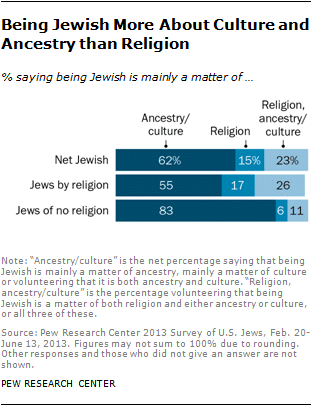
The experiences of Jews across the globe serve as a testament to the intricate and often interwoven nature of religion and ethnicity in Jewish identity. Many individuals find that the question of “Is Jew A Religion Or Ethnicity?” becomes less about strict definitions and more an exploration of how these identities coexist and inform one another. For instance, the participation in rituals and traditions often serves dual purposes; it nurtures a connection to the divine while simultaneously reinforcing ties to family, culture, and community.
In many Jewish communities, shared cultural practices underscore the significance of ethnic identity. Celebrations such as Shabbat dinners and major holidays like Passover and Rosh Hashanah not only encapsulate religious significance but also serve as cultural gatherings that echo familial and communal heritage. Through storytelling and the retelling of historical narratives, these events foster a sense of belonging that goes beyond mere religious observance. They create shared memories and emotional bonds that define what it means to be Jewish.
Moreover, the advent of secularism has spurred various expressions of Jewish identity that prioritize cultural over religious aspects. Many Jews today may identify with their ethnic heritage—partaking in Jewish cuisine, music, and arts—while engaging minimally in religious practices. This secularity can often lead to renewed cultural connections that allow individuals to embrace the question, “Is Jew A Religion Or Ethnicity?” in a manner that reflects personal choice rather than prescription. It reveals an adaptive identity that holds cultural resonance even in the absence of traditional observance.
This fluidity is seen across different Jewish communities. For instance, in Israel, the intertwining of national and ethnic identity can lead to a unique phenomenon where Jewish identity often encompasses both religious practice and secular Israeli culture. Similarly, in the United States, diverse Jewish communities engage with their identity in varied ways that reflect their background, experiences, and the sociocultural context in which they exist. Jewish identity can manifest through activism, arts, and community service, further suggesting that ethnicity can be a powerful unifying factor, even where religious practice may differ.
The intersection of religion and ethnicity in Jewish experience is incredibly rich. Individuals often navigate these complexities through personal narratives, familial relationships, and communal engagement. The interplay between one’s Jewish ethnicity and religious observance can lead to vibrant expressions of identity, where both elements coexist harmoniously rather than in contention. Many Jews today reshape their understanding of what it means to be Jewish, drawing from both religious beliefs and cultural heritage, expanding the meaning of identity itself.
Furthermore, the dialogue around “Is Jew A Religion Or Ethnicity?” continuously evolves in response to generational changes and sociopolitical developments. Younger Jews, in particular, are inclined to embrace a more inclusive definition of their identity. They frequently articulate a desire for engagement that respects diversity in practices and beliefs, broadening the discourse to include various interpretations of Jewishness that speak to a modern reality.
In practical terms, this means celebrating the unique narratives and histories that compose Jewish identity, acknowledging the vibrancy of both religious and secular expressions. As exploration into identity deepens, it paves the way for new interpretations and understanding that recognize the essential role both religion and ethnicity play in the Jewish experience today. Such perspectives enrich the ongoing conversation, reaffirming the idea that the Jewish identity is a living, breathing entity, one that continues to be shaped by history, culture, and communal engagement.






Post Comment