
How Many Times Should A Muslim Pray
- Overview of Islamic Prayer Obligations
- The Five Daily Prayers
- Importance of Timeliness in Prayer
- Recommended Additional Prayers
- Conclusion and Spiritual Benefits
Overview of Islamic Prayer Obligations

How Many Times Should A Muslim Pray? The practice of prayer, or Salah, is one of the five pillars of Islam, serving as a fundamental aspect of a Muslim’s daily life. Every devout Muslim is required to engage in prayer regularly, honoring the direct command of Allah as conveyed through the Prophet Muhammad. Understanding the obligations of Islamic prayer is crucial for any practicing Muslim, as it defines their rhythm of life, spirituality, and connection with their faith.
Obligatory Nature of Prayer
At its core, the obligation to pray stems from the teachings found in the Quran and Hadith. Allah has explicitly commanded Muslims to perform prayer, making it a non-negotiable element of their faith. The obligation is not merely a ritualistic practice but a profound act of worship that nurtures the spiritual well-being of the individual. It is an opportunity for Muslims to communicate directly with their Creator, seek guidance, express gratitude, and find solace during difficult times.

- Holy Quran Part 30 (JUZ AMMA) Book with English Translation (12 Pcs Lot)
- Dr. Mustafa Khattab (Author)
- English (Publication Language)
- 416 Pages - 12/26/2015 (Publication Date) - Message for Humanity (Publisher)

- Karroum, Bachar (Author)
- English (Publication Language)
- 129 Pages - 02/08/2023 (Publication Date) - GoodHearted Books Inc. (Publisher)
The Structure of Prayer Obligations
The Islamic prayer system is meticulously structured, comprising five daily prayers that occur at specific times throughout the day. These prayers, known as Salah, serve as moments of reflection and devotion amidst the busy lives of believers. Each prayer is performed with a set number of units called “Rak’ahs” and includes a series of recitations and physical movements, such as standing, bowing, and prostrating in submission to Allah. The prescribed prayers include:
1. Fajr – The dawn prayer, performed before sunrise, consists of two Rak’ahs.
2. Dhuhr – The midday prayer, performed just after the sun has passed its zenith, consists of four Rak’ahs.
3. Asr – The afternoon prayer, conducted in the late afternoon, consists of four Rak’ahs.
4. Maghrib – The evening prayer, performed just after sunset, consists of three Rak’ahs.
5. Isha – The night prayer, performed at night, consists of four Rak’ahs.
These obligatory prayers form the backbone of a Muslim’s daily routine, reinforcing their commitment to God and providing structure to their day.
Significance of Regularity and Discipline
The regular practice of these prayers instills a sense of discipline and punctuality in Muslims. Engaging in prayer at fixed times helps to maintain a spiritual connection with Allah, fostering mindfulness and reflection during daily activities. This discipline often extends beyond the prayer itself, influencing other aspects of life such as time management, community involvement, and personal conduct.
- Holy Quran Part 30 (JUZ AMMA) Book with English Translation (12 Pcs Lot)
- Dr. Mustafa Khattab (Author)
- English (Publication Language)
- 416 Pages - 12/26/2015 (Publication Date) - Message for Humanity (Publisher)
- Karroum, Bachar (Author)
- English (Publication Language)
- 129 Pages - 02/08/2023 (Publication Date) - GoodHearted Books Inc. (Publisher)
Moreover, the communal aspect of prayer should not be underestimated. Performing prayers in a mosque, particularly for the Friday congregation (Jumu’ah), enhances the sense of community among believers and serves as a powerful reminder of the collective identity of Muslims.
Prayer and Spiritual Growth
Spiritual growth is intrinsically linked to regular prayer. Each Salah serves as an opportunity to repent, seek guidance, and strengthen one’s relationship with Allah. The act of prayer is not just about the physical ritual; it is about nourishing the soul. There are profound spiritual benefits that accompany the practice of praying regularly, as every prayer carries with it the potential for renewal and forgiveness.
Furthermore, engaging in prayer helps to cultivate a sense of peace and mental clarity amidst the chaos of everyday life. For many, these moments of solitude and reflection are crucial in navigating the stresses of modern living, allowing them to approach challenges with resilience and a sense of purpose.
Addressing Common Misconceptions
It is essential to address some common misconceptions about prayer obligations. Some may question how many times should a Muslim pray due to variations in cultural practices or interpretations; however, the consensus among scholars is clear—praying five times a day is obligatory for all able-bodied adult Muslims. Exceptions exist for specific situations such as illness or travel; however, these should not be misinterpreted as avenues for neglecting prayer entirely.
In understanding the obligations surrounding Islamic prayer, we reinforce the fact that it is a cornerstone of faith and a vital practice for spiritual development. The commitment to pray serves not only as an act of worship but also as a commitment to living a life dictated by faith, community, and continuous self-improvement.
The Five Daily Prayers
The observance of the five daily prayers, known collectively as Salah, is a fundamental practice for Muslims, deeply ingrained in their daily rituals and spiritual lives. Each of these prayers serves a distinct purpose and plays a critical role in maintaining one’s connection to Allah. This structure reflects both the beauty and discipline inherent in Islamic worship, recognizing the necessity of continual remembrance of the Creator throughout the day.
Fajr, the first prayer, is performed at dawn before sunrise. This prayer consists of two Rak’ahs and symbolizes the opportunity for renewal at the start of a new day. It serves as a gentle reminder to Muslims of the significance of the morning, encouraging them to seek spiritual clarity and guidance as they begin their daily tasks. The time for Fajr is brief, adding a sense of urgency to the spiritual ritual and prompting believers to rise early and prioritize their relationship with Allah before the day unfolds.
The Dhuhr prayer follows shortly after midday when the sun has crossed its zenith. Comprising four Rak’ahs, this prayer is often a moment of respite from the day’s activities. By taking a break to pray, Muslims can realign their focus, reiterate their commitments to God, and express gratitude for the blessings they have received. This structured time for prayer serves as a reminder to balance spiritual obligations with earthly responsibilities.
- Holy Quran Part 30 (JUZ AMMA) Book with English Translation (12 Pcs Lot)
- Dr. Mustafa Khattab (Author)
- English (Publication Language)
- 416 Pages - 12/26/2015 (Publication Date) - Message for Humanity (Publisher)
- Karroum, Bachar (Author)
- English (Publication Language)
- 129 Pages - 02/08/2023 (Publication Date) - GoodHearted Books Inc. (Publisher)
As the day progresses, the Asr prayer is observed in the late afternoon and consists of four Rak’ahs. This prayer is significant not only as a spiritual practice but also as a marker for reflection on the day’s accomplishments and challenges. Muslims are encouraged to take this time to consider their actions, seek forgiveness, and reinforce their commitment to righteousness as they move into the latter part of the day.
With the arrival of evening, Muslims perform the Maghrib prayer, which is observed just after sunset. Comprised of three Rak’ahs, this prayer provides an opportunity to give thanks for the day that has passed, acknowledging both its trials and triumphs. The transition from light to darkness symbolically mirrors the significance of seeking guidance and comfort as one weighs the events of the day. This prayer serves to ground believers as they prepare for the night ahead and foster a spirit of humility.
The day concludes with the Isha prayer, which is performed at night, consisting of four Rak’ahs. This final prayer of the day not only serves as an act of submission but also reinforces the importance of seeking peace and rest after a long day. Muslims use this time to reflect deeply on their personal journey, asking for forgiveness and guidance to improve themselves. The completion of the five daily prayers acts as a form of closure, allowing believers to wrap up their day on a note of spirituality and intention.
Engaging in these five daily prayers embodies the question “How Many Times Should A Muslim Pray,” with a clear answer in the obligatory structure of Salah. Each prayer is an opportunity for reflection, worship, and a reaffirmation of faith. The repetition of prayers throughout the day cultivates an ongoing rhythm of spirituality. This continuous engagement with prayer not only nurtures one’s soul but also strengthens community bonds as believers come together to worship, share experiences, and support one another in their spiritual journeys.
Significance of Regularity and Discipline
The five daily prayers instill a sense of discipline that extends beyond the ritual itself, creating a framework for the daily life of Muslims. This regularity encourages adherents to manage their time effectively, reminding them that their spiritual duties must coexist harmoniously with their everyday activities. Each prayer invites contemplation amidst the hustle of life, fostering mindfulness that can transform mundane chores into acts of worship.
Moreover, the communal aspect of prayer—especially during the congregational prayers observed on Fridays—reinforces a cohesive identity among Muslims, bridging the gap between individuals and the larger ummah, or community. The shared experience of performing Salah together heightens the sense of belonging and fosters unity, turning the act of prayer into a collective celebration of faith.
Maintaining this practice is not without its challenges; however, the spiritual rewards make the effort worthwhile. The spiritual nourishment gained from consistent prayer cultivates resilience in the face of life’s challenges. By prioritizing these moments of connection with Allah, Muslims can find solace, seek comfort in trials, and cultivate a deeper understanding of their purpose in life.
Praying five times a day is more than a commitment; it is a testament to the binding relationship between the believer and their faith. It serves as a continuous reminder to live by the principles of Islam, guiding Muslims not only in their relations with Allah but also in their interactions with others, fostering an ethical and compassionate way of living.
Importance of Timeliness in Prayer
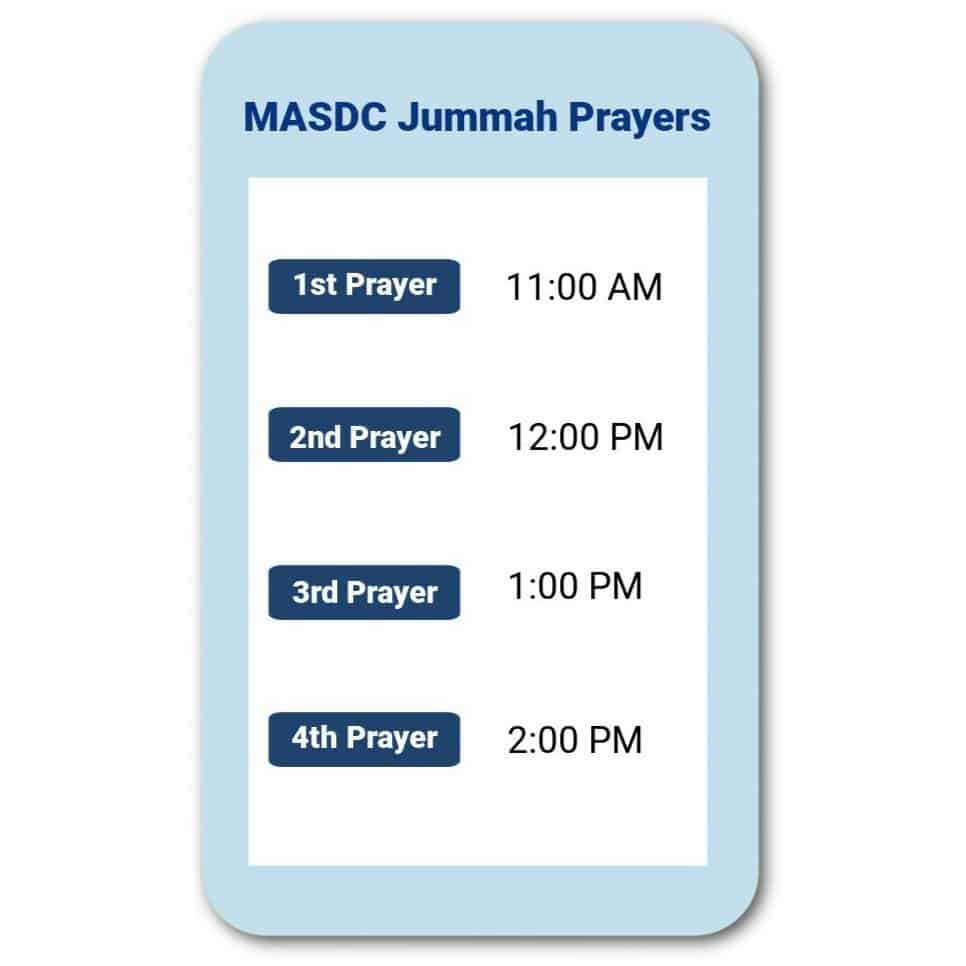
Timeliness is a critical component of prayer in Islam, underscoring the importance of performing Salah within the designated times set by Islamic teachings. Each of the five daily prayers is not only obligatory but also timely, serving specific purposes throughout the day that align with the natural rhythm of a believer’s life. Understanding this concept enhances the significance of prayer beyond mere routine, transforming it into an essential experience of faith and connection with Allah.
Understanding the Prayer Times
Each prayer is assigned a timeframe within which it must be performed, and missing these windows without a valid reason is generally discouraged. The importance of punctuality in prayer is emphasized in numerous hadiths, which highlight the value placed upon timely worship. Each prayer serves as a spiritual checkpoint during a Muslim’s daily routine, allowing individuals to pause, reflect, and reconnect with their faith amid daily responsibilities.
Traditionally, the five obligatory prayers take place at the following times:
| Prayer | Time | Number of Rak’ahs |
|———–|———————|——————–|
| Fajr | Before sunrise | 2 |
| Dhuhr | After midday | 4 |
| Asr | Late afternoon | 4 |
| Maghrib | Just after sunset | 3 |
| Isha | Night | 4 |
This structured timing brings a sense of order and discipline to a Muslim’s daily activities. The call to prayer, or Adhan, serves as a reminder of the spiritual duties that await, emphasizing that devotion and worship take precedence even amidst the hustle and bustle of life.
There is a profound spiritual aspect behind the timeliness of prayer, as it encourages believers to carve out moments in their day for reflection and gratitude. The question, “How Many Times Should A Muslim Pray,” is intrinsically linked to the understanding that each prayer is not merely a task to be completed but a sacred moment to be cherished and honored.
Consequences of Missed Prayers
When prayers are missed intentionally or without a valid excuse, it impacts the spiritual well-being of the individual. It can lead to feelings of disconnection from Allah and disrupt the rhythm that these prayers create in life. Scholars emphasize the need for Muslims to make every effort to fulfill their prayer obligations. In cases of unavoidable circumstances, such as illness or travel, Islam provides provisions to combine or shorten prayers, ensuring that believers can maintain their spiritual commitments.
Timely prayer acts as a spiritual anchor. A Muslim’s day is intermittently broken up by the calls to Salah, reinforcing the rhythm of worship. This rhythm nurtures a lifestyle that prioritizes faith and fosters awareness of God throughout all activities. The discipline of timely prayer cultivates a deeper understanding of Islam, allowing individuals to navigate the complexities of life more effectively while retaining their connection to their faith.
The Role of Community in Timeliness
The act of congregational prayer amplifies the significance of timely Salah within the Muslim community. When believers gather for prayer, they not only fulfill their individual obligations but also strengthen communal bonds. Witnessing fellow worshippers arriving to perform their prayers on time serves as a powerful motivator for others to uphold their obligations.
The communal aspect of prayer encourages a collective discipline among believers. Observing others engage with their faith promotes an atmosphere of accountability and inspiration. For example, attending the Friday prayer (Jumu’ah) illustrates the value placed on timely worship and camaraderie in a shared spiritual experience.
In summary, the importance of prayer timeliness serves as a reminder that worship is not only about the act but also about the dedication to live in accordance with the teachings of Islam. Each Salah invites believers to pause their activities, realign their focus, and reflect on their spirituality, ensuring that “How Many Times Should A Muslim Pray” is answered with the clarity of five specific, cherished moments throughout the day. These timely acts of worship become integral parts of a Muslim’s life, perpetuating a meaningful connection with their faith and community.
Recommended Additional Prayers
 In addition to the five obligatory daily prayers, there are several recommended additional prayers that Muslims may observe to enhance their spiritual practice and connection with Allah. These supplementary prayers are not mandatory but are highly encouraged as a means of deepening one’s faith, seeking forgiveness, and cultivating a more robust spiritual life.
Voluntary Sunnah Prayers
Sunnah prayers are the optional prayers that the Prophet Muhammad practiced regularly, and he encouraged Muslims to incorporate them into their routine. These prayers can be categorized into two types: Sunnah Mu’akkadah (highly recommended) and Sunnah Ghair Mu’akkadah (optional but beneficial). For instance, the two Rak’ahs before the Dhuhr prayer and the two Rak’ahs after it are considered Sunnah Mu’akkadah, emphasizing their importance. By performing these prayers, believers not only follow the tradition of the Prophet but also gain greater rewards in the Hereafter.
The question of “How Many Times Should A Muslim Pray” extends beyond the obligatory five daily prayers. Engaging in these Sunnah prayers can lead to increased spiritual awareness and provide Muslims with additional moments to reflect on their lives and seek closeness to Allah. For more information on the Sunnah prayers, one can refer to this resource.
Nafl Prayers
Nafl prayers are further voluntary prayers that one can perform at any time, except during specified prohibitions like the time of sunrise or sunset. They can be especially rewarding during moments of personal need, gratitude, or reflection. For example, after fulfilling the obligatory prayers, many believers engage in Nafl prayers to increase their spiritual merit or to seek specific needs from Allah. These prayers contribute to a sense of fulfillment and personal engagement with one’s faith, as they invite moments of tranquility and introspection.
In the context of “How Many Times Should A Muslim Pray,” one recognizes that while the five daily prayers are obligatory, these additional Nafl prayers offer a flexible opportunity for deeper connection, allowing an individual to engage with their faith as their circumstances allow. To explore Nafl prayers and their significance further, check out this article.
Tahajjud Prayers
Tahajjud prayers, performed during the night after the Isha prayer and before the Fajr prayer, hold a special status in Islam. They are considered one of the most virtuous forms of worship, as they involve waking up in the stillness of night to dedicate time solely to Allah. The Prophet Muhammad emphasized the merit of these prayers, noting that those who engage in Tahajjud prayers are particularly honored by Allah. These prayers provide an opportunity to seek forgiveness and establish a personal dialogue with the Creator during the quiet of the night, exemplifying dedication and sincerity.
Adding Tahajjud prayers to one’s routine showcases the believer’s commitment to realizing the full spectrum of spiritual practices in Islam. When pondering “How Many Times Should A Muslim Pray,” it becomes clear that engaging in voluntary prayers enhances the core structure of obligatory Salah, allowing Muslims to cultivate a richer, more profound connection with their faith.
Additional Benefits of Non-Obligatory Prayers
Participating in recommended and non-obligatory prayers results in multiple spiritual benefits. These acts of worship showcase devotion, help cultivate gratitude, and offer a chance for Muslims to reflect on their actions and intentions. The additional prayers serve not only to beautify one’s Salah but also to act as a means for enhancing one’s overall faith and character. They provide opportunities for repentance and personal reflection, leading to spiritual growth and inner peace.
Therefore, the insights into how many times a Muslim should pray extend far beyond the five obligatory prayers and include various additional acts of devotion that enrich the spiritual journey and enhance the connection to Allah. These supplemental forms of prayer embody the essence of a believer’s continuous journey towards self-improvement and achieving closeness to the Divine.
Conclusion and Spiritual Benefits
Engaging in prayer—specifically the five daily prayers—carries immense significance for Muslims, not only as a religious obligation but as a pathway to spiritual fulfillment. The impact of these mandatory acts of worship extends deeply into the everyday lives of believers, shaping their moral framework and providing a unique source of inner peace. The commitment to prayer fosters a feeling of closeness to Allah, creating opportunities for reflection, repentance, and the reinforcement of faith.
The spiritual benefits of performing the five daily prayers are profound. Each prayer offers a moment to pause in one’s daily routine and reconnect with one’s inner self and with God. The structured timing of these prayers interjects moments of contemplation throughout the day, enabling Muslims to reflect on their actions and their spiritual journey. This rhythmic engagement serves as a reminder of their faith, nurturing a consistent consciousness of Allah’s presence in their lives.
Additionally, the repetitive nature of prayer, as seen in the question “How Many Times Should A Muslim Pray,” underscores its importance in promoting a mindset focused on spiritual growth. Regular engagement with these prayers helps believers to cultivate gratitude and humility, encouraging them to acknowledge and appreciate the blessings in their lives. It nurtures a habit of seeking forgiveness and understanding, allowing individuals to confront their shortcomings with sincerity and the intent to improve.
Moreover, the communal aspect of Salah significantly enriches the spiritual experience. Praying together in congregation not only strengthens community ties but also amplifies the individual commitment to faith. The shared experience of worship fosters a sense of belonging and mutual support among Muslims, reinforcing their collective identity as part of the ummah. This connection transforms prayer from a solitary act into a vibrant communal ritual, enhancing the significance and spiritual benefits of engaging in daily prayer.
In conclusion, the obligatory prayers, while providing essential structure to a Muslim’s day, create invaluable opportunities for personal and communal reflection, spiritual growth, and an ongoing commitment to living a life aligned with Islamic principles. The depth of meaning embedded in the question “How Many Times Should A Muslim Pray” reveals a multifaceted practice that transcends mere obligation, inviting believers into a continuous relationship with their faith and with Allah.








Post Comment