How To Celebrate Passover As A Christian
- Understanding Passover: A Christian Perspective
- Historical Significance of Passover
- Symbolism in the Passover Seder
- Incorporating Passover Traditions into Christian Worship
- Reflecting on Themes of Freedom and Redemption
Understanding Passover: A Christian Perspective
Understanding Passover through a Christian lens offers a profound opportunity to explore the connections between the Jewish celebration and the core tenets of the Christian faith. Passover, a pivotal event in Jewish history, commemorates the Israelites’ liberation from slavery in Egypt, as recorded in the Book of Exodus. For Christians, this festival embodies themes of deliverance, sacrifice, and divine providence, reaffirming their faith in Christ, who is seen as the ultimate fulfillment of the Passover lamb.
At its heart, Passover is a celebration of freedom and redemption, elements deeply embedded in Christian theology. The idea of liberation from bondage resonates intimately with the Christian narrative of salvation. Jesus’s sacrificial death, which he instituted during the Last Supper—a Passover meal—underscores the significance of this connection. This parallel invites Christians to reflect on the profound depth of Passover, highlighting its relevance to their spiritual journey.
Understanding how to celebrate Passover as a Christian requires us to recognize the historical context of the event. The ritualistic elements of the Passover Seder—the symbolic foods, prayers, and readings—serve to educate and remind participants of God’s faithfulness and deliverance throughout history. Each component of the Seder table holds significant meaning, marking key events in the Exodus and provoking theological reflection.
- ESV Bibles (Author)
- English (Publication Language)
- 624 Pages - 02/15/2017 (Publication Date) - Crossway (Publisher)

- Christian Art Publishers (Author)
- English (Publication Language)
- 1400 Pages - 03/01/2020 (Publication Date) - Christian Art Publishers (Publisher)

- Thomas Nelson (Author)
- English (Publication Language)
- 1728 Pages - 10/03/2017 (Publication Date) - Thomas Nelson (Publisher)
The Passover lamb, sacrificed to save the Israelites from the final plague, symbolizes the sacrificial system that God instituted and, for Christians, connects to the ultimate sacrifice of Jesus Christ, referred to as the Lamb of God. This connection emphasizes the continuity of God’s plan for humanity—from the Exodus to the New Covenant established through Christ.
Moreover, participation in the Passover Seder allows Christians to engage with their Jewish roots, fostering a deeper appreciation for the Old Testament and its prophecies. By actively partaking in the Seder, Christians can better understand the Biblical narratives that shape their faith. This celebration can serve as a way to honor Jewish traditions while reinforcing the belief that Jesus is the Messiah, whose arrival was foretold in the Hebrew Scriptures.
We also acknowledge the expansive symbolism within the Passover meal that extends beyond the historical account. The act of breaking bread, drinking wine, and sharing the story of liberation resonates deeply within Christian worship practices. It serves as both a reminder of Jesus’s Last Supper and emphasizes the continuity of fellowship and community amongst believers.
As Christians observe Passover, they are not merely participating in a Jewish tradition but are engaging with a complex narrative that speaks volumes about their faith. This celebration provides an opportunity for communal reflection, teaching, and spiritual growth. By immersing themselves in the rituals and meanings behind Passover, Christians can deepen their relationship with God and understand His plans through history more intimately.
Incorporating the understanding of Passover into one’s Christian practice can lead to enriched worship experiences. Churches may choose to hold educational sessions or community Seders, which can unite congregants while fostering a greater appreciation for this shared heritage. Such gatherings not only celebrate the profound act of redemption but can also inspire meaningful conversations surrounding faith, heritage, and history.
In summary, through the lens of Christianity, Passover emerges as a vital intersection of history, faith, and community. By exploring its intricate connections to the teachings of Christ, Christians can cultivate a nuanced understanding of this sacred observance that honors both its Jewish origins and its transformative significance within their own spiritual lives.
- ESV Bibles (Author)
- English (Publication Language)
- 624 Pages - 02/15/2017 (Publication Date) - Crossway (Publisher)
- Christian Art Publishers (Author)
- English (Publication Language)
- 1400 Pages - 03/01/2020 (Publication Date) - Christian Art Publishers (Publisher)
- Thomas Nelson (Author)
- English (Publication Language)
- 1728 Pages - 10/03/2017 (Publication Date) - Thomas Nelson (Publisher)
Historical Significance of Passover
The story of Passover is deeply rooted in the history of the Israelites, marking their transition from slavery to freedom. This annual celebration signifies not only a major event in Jewish history but also offers rich theological implications for Christians. For Christians, the historical significance of Passover is interwoven with the life and teachings of Jesus Christ, highlighting a profound connection to the themes of sacrifice and redemption that are foundational to their faith.
In the Biblical narrative found in the Book of Exodus, the Passover event details how God led the Israelites out of Egypt through a series of miraculous events, culminating in the final plague that targeted the firstborn of Egypt. The Israelites were commanded to sacrifice an unblemished lamb and smear its blood on their doorposts, signifying their obedience to God’s instruction. This act of faith was met with divine protection, sparing their lives and ensuring their deliverance from captivity. For Christians, this lamb signifies Jesus, seen as the ultimate sacrificial lamb who brings salvation and eternal life to all who believe.
Understanding this historical context lends itself to a deeper appreciation of how to celebrate Passover as a Christian. It is essential to recognize the continuity between the Jewish celebration of Passover and the Christian celebration of Easter. The timing of both observances often overlaps, with Passover occurring in the spring and Easter celebrating Christ’s resurrection. The close relationship between these two events invites Christians to reflect on the life-giving power of faith exhibited through the Israelite’s liberation and, subsequently, Christ’s victory over death.
The Last Supper, which Jesus shared with His disciples, occurred during Passover, establishing a direct link between these two significant events. It is in this setting that Jesus instituted the rite of Communion, offering His body and blood as a new covenant. This transformative moment invites Christians to revisit the Passover story, emphasizing the unifying themes of redemption and divine promise. Each element of the Seder—bitter herbs, charoset, and matzah—holds rich symbolism that mirrors the Christian experience of salvation, encouraging believers to partake in these rituals with an understanding of their historical context.
Furthermore, delving into the historical significance of Passover can also enhance the Christian’s approach to worship and community gatherings. Incorporating the various symbolic aspects into church life enhances the collective experience of God’s salvation through historical remembrance. Many congregations may choose to organize educational sessions or participate in the Passover Seder, allowing members to engage directly with the shared history and explore the roots of their faith. This practice not only honors and respects Jewish traditions but also serves as a reminder of the overarching narrative of God’s love and deliverance that transcends time.
- ESV Bibles (Author)
- English (Publication Language)
- 624 Pages - 02/15/2017 (Publication Date) - Crossway (Publisher)
- Christian Art Publishers (Author)
- English (Publication Language)
- 1400 Pages - 03/01/2020 (Publication Date) - Christian Art Publishers (Publisher)
- Thomas Nelson (Author)
- English (Publication Language)
- 1728 Pages - 10/03/2017 (Publication Date) - Thomas Nelson (Publisher)
Within the context of remembrance, Passover rituals invite Christians to reflect on their spiritual journeys. The themes of liberation from bondage resonate powerfully in modern Christian understanding of sin and salvation, prompting worshippers to dwell on the meaning of freedom in Christ. By participating in these Seder traditions, Christians can experience a transformative journey that acknowledges their connection to Judaism, while simultaneously enriching their understanding of the Christian faith.
As Christians deepen their appreciation of the historical significance of Passover, they can participate more meaningfully in observances that resonate with their beliefs. This engagement fosters a communal spirit enriched by shared heritage, inviting conversations around faith, freedom, and the continuous unfolding of God’s story throughout history. Thus, by understanding the profound historical significance of Passover, Christians can celebrate this pivotal event with a renewed sense of purpose, commitment, and joy.
Symbolism in the Passover Seder
The Seder plate is a central focus in the Passover observance, containing various symbolic foods that represent different aspects of the Exodus story and the Jewish people’s plight. Understanding how to celebrate Passover as a Christian involves embracing these symbols, which provide deep insights into Jesus’s teachings and the broader themes of salvation and redemption in the Christian faith.
The Seder Plate Components
Each item on the Seder plate plays an essential role in communicating the Passover narrative:
1. **Z’roa (Shank Bone)**: Represents the Passover lamb’s sacrifice, which directly connects to Jesus, the Lamb of God, who was sacrificed for humanity’s sins.
2. **Maror (Bitter Herbs)**: Symbolizes the bitterness of slavery experienced by the Israelites in Egypt. For Christians, it serves as a poignant reminder of the pain associated with sin and the suffering Christ endured.
3. **Charoset (Sweet Mixture)**: Made of apples, nuts, and wine, this mixture represents the mortar used by the Israelites when constructing buildings in Egypt. The sweetness of charoset may also symbolize the hope and joy of redemption through Christ.
4. **Karpas (Parsley or Vegetable)**: Dipped in salt water to represent the tears shed during slavery, this reminds participants of the sorrow that precedes liberation.
5. **Chazeret (Additional Bitter Herb)**: Often a second type of bitter herb, reiterating the suffering of the Israelites.
6. **Matzah (Unleavened Bread)**: Represents the haste with which the Israelites left Egypt, not having time for bread to rise. In Christian symbolism, it relates to Christ’s body, reflecting His sacrificial role.
Understanding the meanings behind these components deepens the experience for Christians celebrating Passover. This rich symbolism encourages participants to reflect on their own spiritual journeys and the foundational beliefs of their faith.
Connection to Christian Theology
The symbolism of the Passover Seder extends beyond the Jewish tradition and resonates profoundly with Christian theology. The Seder meal incorporates an understanding of redemption and sacrifice, which are pivotal themes in Christianity. For Christians learning how to celebrate Passover as a Christian, the parallels drawn between the Seder meal and the Last Supper are significant. During the Last Supper, Jesus broke bread and shared wine, indicating the establishment of a new covenant—one that reflects the intentions of the ancient Passover.
Engaging with these symbols places Christians in direct continuity with their faith’s roots. Each Seder item not only commemorates historical events but also illuminates the core beliefs of Christianity, encouraging believers to reflect on the redemptive narrative of Christ. It elicits a deeper understanding of His love and sacrifice, paralleling the liberation celebrated by the Jewish people.
| Symbol | Meaning | Christian Significance |
|---|---|---|
| Z’roa (Shank Bone) | Represents sacrificial lamb | Foreshadowing Christ’s sacrifice |
| Maror (Bitter Herbs) | Bitterness of slavery | Reminds of Christ’s suffering |
| Charoset (Sweet Mixture) | Hope amidst hardship | Joy in redemption through Christ |
| Karpas (Vegetable) | Tears of slavery | Reflection on suffering before salvation |
| Matzah (Unleavened Bread) | Hasty Exodus | Symbolizes Christ’s body |
Integrating this understanding into how to celebrate Passover as a Christian enriches the worship experience, allowing believers to become active participants in a narrative that reflects both historical truth and theological depth.
Encouraging Reflection and Community
Incorporating the Passover Seder rituals into Christian worship encourages participation, prompting shared reflection on freedom and salvation. Whether through family gatherings or church events, these traditions foster a sense of community among believers. As they engage in the various Seder elements, participants can discuss their meanings and how they relate to the teachings of Christ.
Communal observance of Passover allows conversations to arise, unveiling the interconnectedness of the Old and New Testaments. This dynamic creates an atmosphere of education and communion, where both Jewish traditions and Christian beliefs can be honored. In this way, Christians can celebrate the depth of their faith while recognizing and respecting its Jewish heritage, embodying the spirit and essence of the Passover celebration.
Incorporating Passover Traditions into Christian Worship
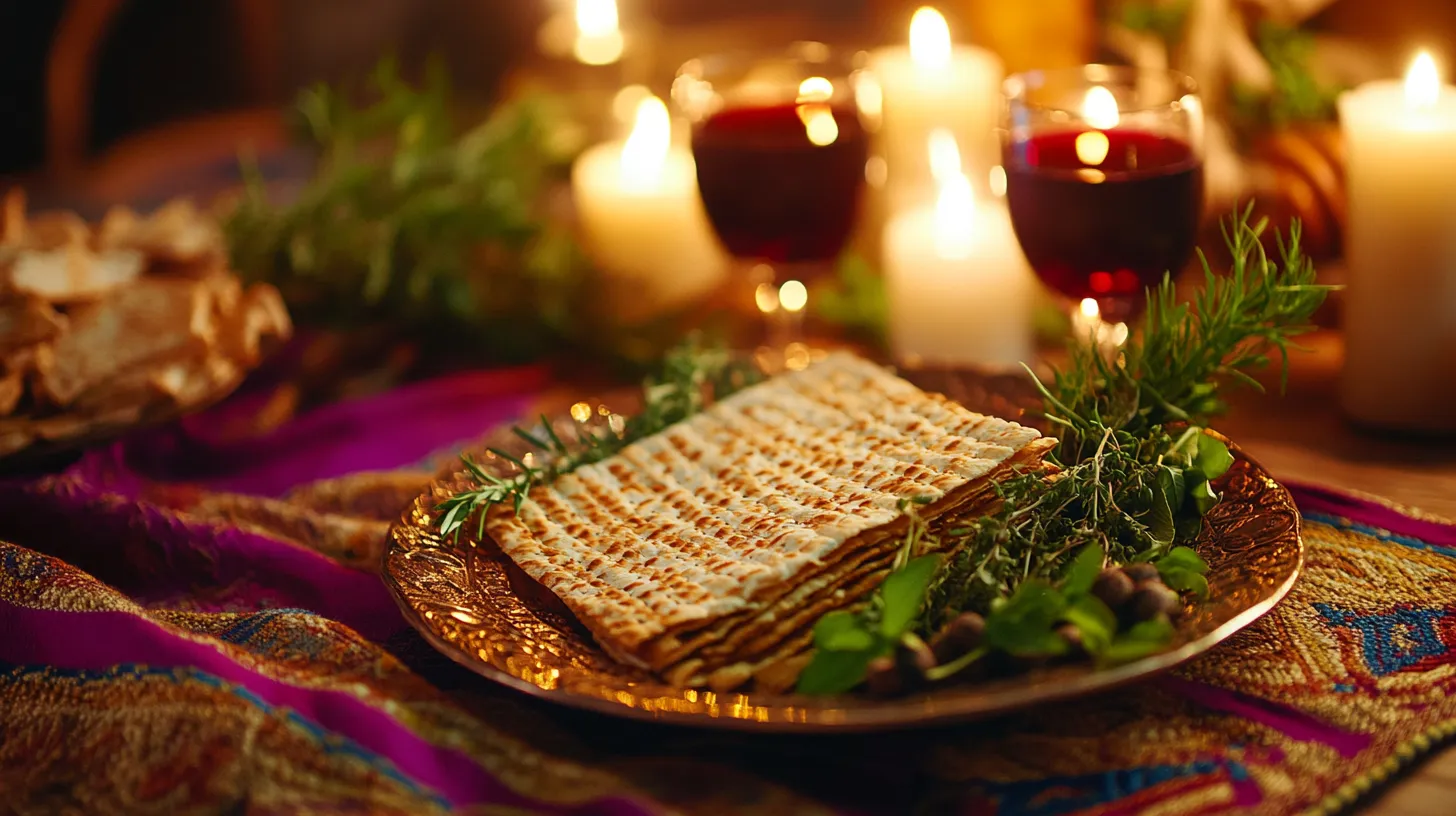
Incorporating Passover Elements into Worship Services
To effectively incorporate Passover traditions into Christian worship, congregations can consider integrating specific elements of the Passover Seder into their service formats. Churches might begin with a teaching session that outlines the significance of Passover from a Christian perspective, helping members grasp the historical and spiritual roots of this Jewish festival. By aligning elements of the Seder with the structure of Christian worship, believers can gain insights into how to celebrate Passover as a Christian while simultaneously deepening their understanding of Jesus’s teachings.
For instance, incorporating readings from the Book of Exodus during a service can powerfully remind congregants of God’s promises and the freedom He offered through the Passover narrative. The congregation might then partake in a symbolic meal that mirrors the Seder, sharing matzah and wine, as Christians reflect on the symbolism that intertwines with their faith, a tradition that aligns with the Last Supper where Jesus established the New Covenant. This can be similar to how some churches partake in Communion, creating a direct spiritual link to both Passover and the Eucharist, where the significance of Jesus as the sacrificial Lamb takes center stage.
Additionally, visual displays in the church setting can enhance the experience, featuring a Seder plate during the service, explaining each element, and demonstrating their relevance. Many churches can benefit from outreach to Jewish communities or scholars to collaborate on educational sessions, creating a space for respectful learning and sharing of traditions.
Creating a Family or Community Seder
Hosting a family or community Seder is another excellent way for Christians to explore how to celebrate Passover as a Christian. Such gatherings provide an intimate way to engage with the story of Passover while fostering community spirit. Families can set up their Seder tables with traditional foods, encouraging participants to discuss the meanings behind each item while sharing personal reflections about freedom and salvation.
During the Seder, leaders can guide participants through prayers, storytelling, and discussion points that make connections to Christian teachings. This approach opens up avenues for dialogue about how the themes of liberation and sacrifice resonate within the context of Christian belief and the life of Jesus. Additionally, community members can invite Jewish friends or neighbors, promoting interfaith dialogue and strengthening bonds of understanding.
A more interactive Seder can include creative expressions, such as music, art, and written reflections on the themes of Passover. These elements bring both celebration and education to the forefront, encouraging participants to experience the richness of the event and its implications. Engaging church youth groups or Sunday school classes in planning and participating in the Seder further enhances the experience and resonates with younger generations seeking to connect their faith with tradition.
Emphasizing Themes of Freedom and Redemption
When Christians participate in Passover traditions, it is essential to emphasize the interconnected themes of freedom and redemption. These themes resonate deeply within the Christian theology and teach us how to celebrate Passover as a Christian effectively. The act of remembering the Israelites’ liberation invites believers to reflect on their own spiritual deliverance through Jesus Christ.
Incorporating these themes into the service or Seder can be accomplished through discussions, prayers, and reflections that articulate what freedom in Christ means. Encouraging participants to share testimonies of their faith journeys adds a personal dimension, fostering an environment where individuals can see the parallels between the Exodus story and their redemption narrative.
Moreover, various activities can reinforce these ideas—such as writing down burdens or struggles on pieces of paper, symbolically casting them away during the Seder. This tangible act of relinquishing past suffering resonates with the cleansing power of Christ’s sacrifice, reinforcing the belief that true freedom and redemption are offered through faith.
Through the exploration of how to celebrate Passover as a Christian, congregations can foster a reflective atmosphere, reminding members of the joy and hope found not only in the story of the Exodus but also in their shared journey towards spiritual liberation. The significance of the Passover meal and the themes woven throughout the celebration provide rich opportunities for growth and understanding within the Christian community.
For further information and inspiration on how to meaningfully observe Passover traditions, consider exploring the resources available on sites like My Jewish Learning and Christianity.com.
Reflecting on Themes of Freedom and Redemption
Reflecting on the themes of freedom and redemption during Passover offers Christians a unique opportunity to delve into the spiritual significance behind the celebration. As participants engage in the rituals and symbolism of this ancient festival, they can draw powerful connections to the core tenets of their faith. The observance of Passover evokes the historic liberation of the Israelites from slavery in Egypt, which mirrors the Christian narrative of being freed from the bondage of sin through the sacrifice of Jesus Christ. This shared theme of liberation becomes more than a historical event; it transforms into a contemporary reminder of salvation and God’s enduring promise of freedom.
One of the most poignant aspects of how to celebrate Passover as a Christian is to reflect on the significance of the Passover lamb. The lamb, sacrificed during the Exodus, signifies God’s mercy and protection over His people. For Christians, this lamb symbolizes Jesus—described as the Lamb of God—whose sacrifice delivers believers from sin and eternal separation from God. Thus, as Christians partake in the Seder, they are invited to meditate on the weight of this symbolism. They recall the profound price paid for their release from spiritual captivity, appreciating the intimate connection between the Passover sacrifice and Christ’s redemptive act.
Moreover, during the Seder, the inclusion of bitter herbs serves as a tangible reminder of suffering endured during enslavement. As participants taste the bitterness of the herbs, they are encouraged to reflect on their own struggles and the sin that separates them from God. This experiential aspect enhances the celebration, allowing individuals to confront their personal challenges while contemplating the sweetness of redemption that follows. Each bitter taste can prompt discussions about the journey from pain to healing, encouraging an atmosphere of vulnerability and hope.
In addition, the theme of freedom resonates deeply throughout the entire Seder meal. As Christians engage with the story of the Exodus and the rituals that accompany it, they are reminded of their spiritual journey—one that moves from the darkness of sin into the light of grace. This is a celebration of liberation, prompting believers to embrace the freedom that comes through faith in Christ. It allows for personal reflection on what it means to live in that freedom every day—living out the principles of love, mercy, and forgiveness that Christ exemplified.
Engaging in communal settings, where stories of freedom and redemption are shared, adds richness to the experience. Churches can create discussions around the collective journey toward spiritual liberation, drawing parallels between the Exodus narrative and individual testimonies of faith. This communal reflection fosters a deeper understanding of how shared experiences of redemption strengthen faith and unity within the Christian community.
Finally, celebrating Passover as a Christian is not merely about acknowledging the historical significance but also about embedding these themes into daily life. Christians are encouraged to explore the implications of freedom and redemption beyond the Seder table. This could include acts of service to help those still suffering from oppression, reflecting Jesus’s call to love and serve others. By doing so, they embody the very essence of what Passover represents: a commitment to living out the freedom received through Christ, sharing that redefined life with those around them.
In embracing Passover within the context of Christianity, believers can experience a rich tapestry of faith that intertwines history with theological understanding. This celebration affirms the enduring legacy of God’s promise of salvation, encouraging Christians to acknowledge their spiritual freedom while reflecting on the profound significance of redemption through Jesus Christ, all the while learning how to celebrate Passover as a Christian in a deeply meaningful and personal way.





Post Comment