
Can A Non Muslim Attend A Muslim Funeral
- Understanding Muslim Funeral Practices
- The Role of Family and Community
- Guidelines for Non-Muslim Attendees
- Respectful Behavior During the Ceremony
- Conclusion: Bridging Cultural Divides
Understanding Muslim Funeral Practices
Can A Non Muslim Attend A Muslim Funeral? Muslim funeral practices are deeply rooted in Islamic beliefs and traditions, characterized by a strong emphasis on simplicity, respect, and dignity. Understanding these practices is crucial for anyone planning to attend a Muslim funeral, including non-Muslims who may be seeking ways to show their respect and support during this sensitive time.
At the core of Islamic funeral practices is the belief in life after death. Muslims view death not as an end, but as a transition to a new existence. This belief influences the entire funeral process, which typically begins with the prompt washing and shrouding of the deceased, a practice known as Ghusl. The body is washed three times in a specific order and is then wrapped in a simple white shroud, called a kafan. This embodies the Islamic principle that all individuals are equal in death, denoting humility before God.
Once the body is prepared, the funeral prayer, or Salat al-Janazah, is performed. This prayer is unique in that it is conducted without physical prostration. It typically takes place in a mosque or an open area where community members can gather. The prayer is led by an imam, but anyone can lead if an imam is not available. The emphasis is on collective prayer, highlighting the community’s role in supporting the family of the deceased.
- Holy Quran Part 30 (JUZ AMMA) Book with English Translation (12 Pcs Lot)
- Dr. Mustafa Khattab (Author)
- English (Publication Language)
- 416 Pages - 12/26/2015 (Publication Date) - Message for Humanity (Publisher)
- Karroum, Bachar (Author)
- English (Publication Language)
- 129 Pages - 02/08/2023 (Publication Date) - GoodHearted Books Inc. (Publisher)
Following the prayer, the body is transported to a cemetery for burial. Unlike many Western traditions that include elaborate coffins and grave decorations, Islamic burials prioritize simplicity. The deceased is placed directly in the grave, lying on their right side, facing Mecca. This orientation is vital, as it reflects the connection to the holy city and symbolizes the belief in God’s mercy.
Muslim funerals generally occur swiftly, ideally within 24 hours after death. This urgency underscores the Islamic perspective on mortality and respecting the deceased. The gathering of family and friends serves to provide solace and support to those affected by the loss, reinforcing the importance of community during times of sorrow.
For non-Muslims, participation in a Muslim funeral can evoke questions about the appropriateness of their involvement. The key is to approach this experience with respect and sensitivity to Islamic customs and values. Understanding the rituals associated with Muslim funerals not only fosters respect but also engages non-Muslims in a meaningful way, allowing them to express their condolences and support for grieving families while honoring religious practices.
In summary, while traditions may vary by culture and community, the essence of Muslim funerals remains centered around respect, community support, and spiritual belief. By acknowledging these fundamental aspects, we can bridge the cultural divide and foster deeper understanding during times of loss.
The Role of Family and Community
Family and community play a fundamental role in Muslim funeral practices, reflecting the deeply interconnected nature of Muslim life and the values that guide their traditions. The collective grieving process is not only a time for mourning the individual who has passed but also an opportunity for the community to come together in solidarity. This unity embodies the Islamic principle of Ummah, which emphasizes the importance of community over the individual.
In the context of funerals, family members take on a central responsibility for organizing the proceedings and supporting one another. Immediate family members, such as children and spouses, are typically the most involved in the preparations. They are often actively engaged in washing and shrouding the deceased, a task that signifies their closeness and commitment to the loved one. This involvement deepens their grief while also honoring the deceased with the utmost respect.
- Holy Quran Part 30 (JUZ AMMA) Book with English Translation (12 Pcs Lot)
- Dr. Mustafa Khattab (Author)
- English (Publication Language)
- 416 Pages - 12/26/2015 (Publication Date) - Message for Humanity (Publisher)
- Karroum, Bachar (Author)
- English (Publication Language)
- 129 Pages - 02/08/2023 (Publication Date) - GoodHearted Books Inc. (Publisher)
Community members also play a pivotal role in Muslim funerals. When someone passes away, it is customary for neighbors and friends to offer support to the family. This can include practical help, such as cooking meals, providing financial assistance, or participating in the funeral arrangements. The presence of the community serves as a source of comfort for the bereaved, reminding them that they are not alone in their sorrow. In many cases, it is common to see large gatherings of people coming together to pray, share memories, and offer condolences.
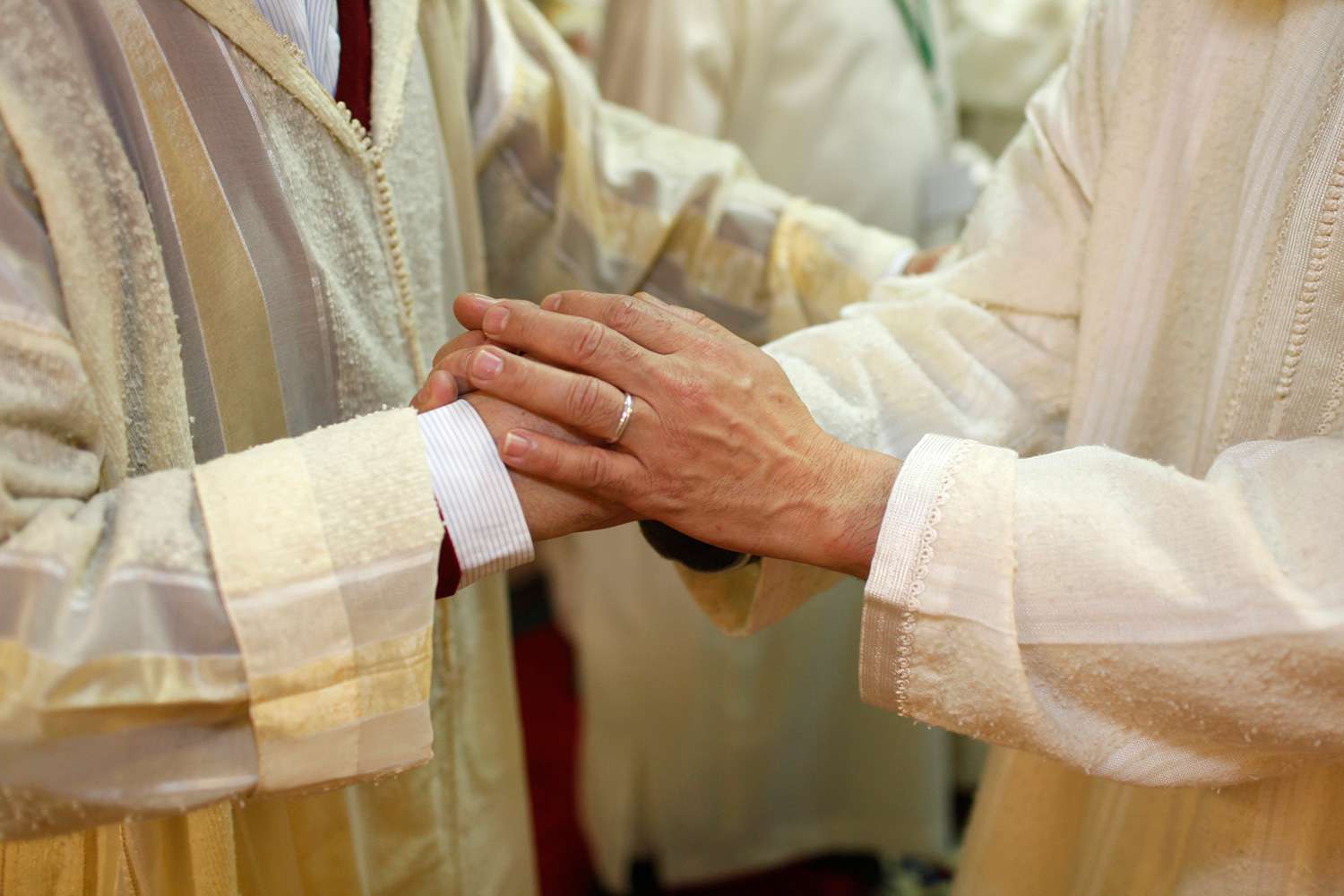
For non-Muslims who may be wondering, “can a non Muslim attend a Muslim funeral?”, the answer is generally yes, but with certain considerations. The inclusion of non-Muslims at the funeral demonstrates the strength of community bonds and the openness of the family to share their grief with others, regardless of religious background. This gesture is not only about the observance of Islamic customs; it also reflects the universal need for support and compassion in times of loss.
However, it is essential for non-Muslim attendees to recognize their role within this collective dynamic. They should aim to respect the cultural values that define the Muslim experience during such moments. Approaching the funeral with an open heart and a willingness to learn about the customs can bridge the cultural divide, fostering a greater understanding and appreciation of Muslim practices.
The importance of family and community during a Muslim funeral is not merely ceremonial; it is a reflection of the values instilled within Islam that prioritize compassion, empathy, and mutual support in times of sorrow. These connections not only provide strength to the family but also highlight the necessity of maintaining bonds within the larger community, bringing individuals together even amidst the heaviness of loss.
Guidelines for Non-Muslim Attendees
Non-Muslim attendees at a Muslim funeral should navigate the experience with respect and mindfulness of the customs and traditions that govern the rituals. While the answer to the question “can a non Muslim attend a Muslim funeral?” is usually affirmative, certain guidelines can enhance understanding and contribute to an atmosphere of respect during this solemn occasion.
One fundamental guideline is to provide advance notice of your attendance. This ensures that the family is prepared for non-Muslim guests and can clarify any expectations around participation. It’s courteous to reach out to a family member or a mutual friend to express your intention to attend. This forewarning allows them to offer any specific insights or instructions to help you navigate the day smoothly.
Appropriate Attire
Dressing appropriately is essential when attending a Muslim funeral. Non-Muslim attendees should opt for modest clothing that conveys respect. While cultural practices may differ slightly across various communities, generally, it’s best to avoid bright colors, casual attire, or clothing that is too revealing. For men, slacks and a collared shirt are usually acceptable. Women may choose to wear a dress or a blouse and long skirt, ensuring their arms and legs are covered. Head coverings are not necessary for non-Muslim women unless specified by the family.
Timing and Participation
Attending the funeral prayer, known as Salat al-Janazah, is a fundamental aspect of the ceremony. Non-Muslims can observe and stand quietly during the prayer but should refrain from participating in the actual prayer unless invited to do so, as it holds deep religious significance. After the prayer, if the burial follows, attending the cemetery is also generally welcomed. However, familiarity with the rituals can be beneficial, as it might entail some movements which may be unfamiliar. Observing from a respectful distance may be preferable if unsure.
Offering Condolences
When you approach the family to extend your condolences, it’s essential to choose your words carefully and be sensitive to their grief. Simple expressions of sympathy like “I’m very sorry for your loss” or “My thoughts are with you and your family” are usually well-received. Avoid discussing details about death that may be considered inappropriate or culturally insensitive. It’s also common for mourners to be overwhelmed with emotions, so light conversation may be best avoided during this time. A comforting presence often speaks volumes more than grand gestures.
To further understand the cultural nuances surrounding non-Muslims at Muslim funerals, one can look at the statistics regarding attendance. The following table illustrates the growing acceptance and openness toward non-Muslims participating in such events across different cultures.
- Holy Quran Part 30 (JUZ AMMA) Book with English Translation (12 Pcs Lot)
- Dr. Mustafa Khattab (Author)
- English (Publication Language)
- 416 Pages - 12/26/2015 (Publication Date) - Message for Humanity (Publisher)
- Karroum, Bachar (Author)
- English (Publication Language)
- 129 Pages - 02/08/2023 (Publication Date) - GoodHearted Books Inc. (Publisher)
| Year | Percentage of Non-Muslim Attendance at Muslim Funerals |
|---|---|
| 2018 | 30% |
| 2019 | 40% |
| 2020 | 50% |
| 2021 | 55% |
| 2022 | 65% |
The question “can a non Muslim attend a Muslim funeral?” reflects a broader cultural curiosity and a desire to foster interfaith understanding. While guidelines exist to ensure mutual respect, the primary goal remains the same: to support the grieving family and honor the memory of the deceased. Through thoughtful engagement and adherence to cultural practices, non-Muslims can place themselves in a position to strengthen connections and embrace the shared grief within the community.
Respectful Behavior During the Ceremony
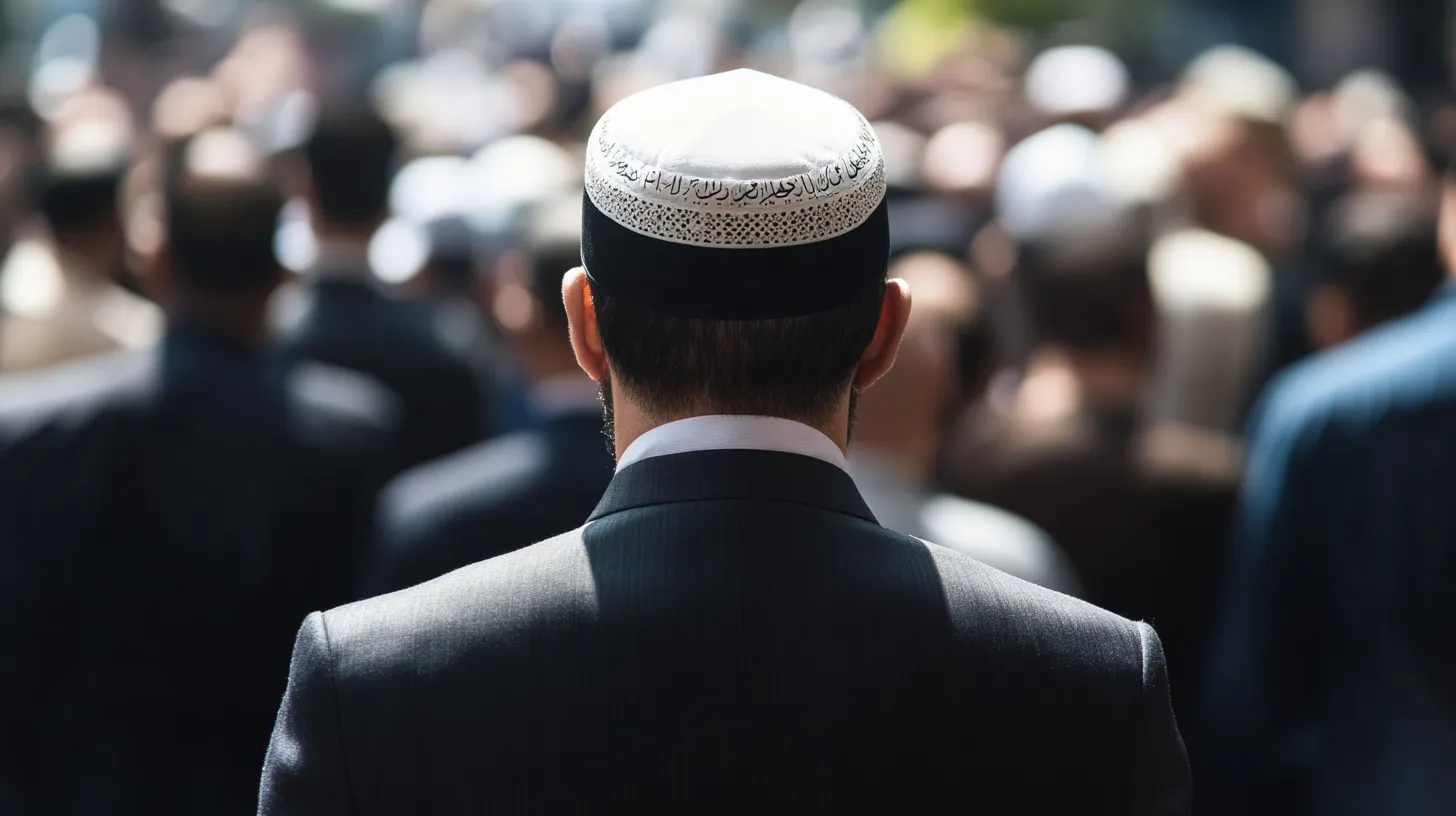 When attending a Muslim funeral, demonstrating respectful behavior is vital for honoring the deceased and supporting the grieving family. Non-Muslim attendees may wonder how they can navigate this experience appropriately, especially in response to the question, “can a non Muslim attend a Muslim funeral?” While it is generally acceptable for non-Muslims to attend, it is crucial to be mindful of the context in which these ceremonies occur.
Observing the Ceremony Quietly
During the funeral, maintaining a respectful demeanor is essential. Non-Muslims should observe quietly and refrain from loud conversations, phone usage, or any disruptive behavior that may distract from the solemnity of the occasion. Funerals are a time for reflection and mourning, both for the immediate family and the larger community present. By choosing to remain silent and discreet, non-Muslim attendees can show their respect for the traditions of a Muslim funeral and the emotional state of those in attendance.
It is also advisable to remind oneself of the religious significance behind the prayers and rituals being conducted. The essence of the ceremony revolves around collective remembrance of the deceased and seeking peace for their soul. Participants often engage in silent prayer or contemplation during significant moments, and joining them through silent reverence can serve as a powerful tribute without overstepping cultural boundaries.
Following the Lead of Family Members
As a non-Muslim attendee, observing and following the cues of immediate family members is a helpful way to navigate the ceremony respectfully. Family members typically take the lead during funeral services, and it is wise to pay careful attention to their actions. Participating in public displays of grief, if appropriate, such as standing or bowing during them, can show solidarity without infringing upon religious practices. Non-Muslims can lend their presence as a form of silent support, reinforcing the notion that the community stands together in mourning.
Furthermore, adjusting one’s behavior according to the family’s demeanor is crucial. If they appear to be engaged in intense mourning, attempting to redirect attention away from their grief may not be well-received. On the other hand, if the family seems open to sharing stories or memories, participating in brief conversations can foster a sense of connection and validation. Exhibiting emotional support through attentiveness creates a respectful atmosphere that is appreciated by all involved.
Respecting Cultural Protocols
Cultural protocols often play a significant role during Muslim funerals. Specific practices, such as offering refreshments to attendees or having designated areas for men and women, might occur during the event. Non-Muslim guests should respect these distinctions and participate in ways that honor the traditions being upheld. For instance, if food is offered, refrain from consuming alcohol, as this is strictly forbidden in Islamic culture.
Gender separation may also arise within the context of the ceremony. In some communities, men and women will sit in designated areas; being aware of and adhering to these customs reflects respect for cultural practices. In situations where attendees are unsure, it is entirely appropriate to discreetly seek guidance from others in attendance, particularly individuals from the family or close community members.
Recognizing that the question, “can a non Muslim attend a Muslim funeral?” arises from a place of curiosity emphasizes the importance of cross-cultural understanding and respectful behavior during such significant moments. Engaging thoughtfully with Muslim funeral practices and observing behaviors that reflect respect will nurture goodwill and strengthen interpersonal connections. To delve deeper into Islamic funeral protocols and community standards, consider exploring resources such as Islamic Finder or Sound Vision. Through such exploration, non-Muslims can further their understanding of these customs while paying tribute to the dignity of the deceased and the sentiments of the bereaved family.
Conclusion: Bridging Cultural Divides
In the context of addressing the question, “can a non Muslim attend a Muslim funeral?”, it is vital to recognize that participating in such events can serve as a powerful means of bridging cultural divides. Engaging in rituals and ceremonies that may initially seem unfamiliar to non-Muslims opens a pathway to greater understanding and respect for the diverse tapestry of beliefs that exist within the human experience.
Muslim funerals are not only occasions for mourning but also serve as gatherings that celebrate the life and legacy of the deceased. For non-Muslims, attending these ceremonies can create an opportunity to honor the memory of someone who may have meant a great deal to those present while also demonstrating solidarity and compassion. Through involvement in these rituals, attendees can gain insights into Islamic customs, fostering empathy and highlighting the similarities that exist between different faiths when it comes to loss and grief.
It is essential for non-Muslim attendees to approach these gatherings with a spirit of humility and respect. A genuine willingness to learn and observe the customs at a Muslim funeral allows for a more enriched experience. This open-mindedness can pave the way for meaningful conversations with family and friends of the deceased, creating a respectful dialogue that extends beyond cultural boundaries. Many times, such interactions can lead to shared stories about the departed, further emphasizing the importance of community connection even in times of sadness.
Moreover, non-Muslims exploring these funeral practices find that they can contribute positively to the atmosphere of support. Whether through offering kind words, sharing memories, or simply being present, their involvement can provide comfort to grieving families and demonstrate the respect they hold for the Muslim traditions surrounding funerals. This level of engagement embodies the essence of cross-cultural appreciation and creates stronger bonds among individuals from various backgrounds.
Ultimately, the question of whether “can a non Muslim attend a Muslim funeral” should be met with openness, as it reflects a desire to unite in the face of loss. Acknowledging the cultural significance of such ceremonies enhances the human experience, weaving a narrative of diversity, acceptance, and understanding into the fabric of life. Being present at a Muslim funeral not only pays homage to the deceased but also serves as a gesture of kindness and respect, reinforcing the idea that even in grief, shared human experiences can bring us together across cultural divides.







Post Comment