
Do All Christian Religions Believe In The Trinity
- Understanding the Trinity in Christianity
- Historical Development of the Doctrine
- Diverse Christian Perspectives on the Trinity
- Non-Trinitarian Christian Groups
- Conclusion: The Significance of the Trinity in Christianity
Understanding the Trinity in Christianity

Do All Christian Religions Believe In The Trinity? The concept of the Trinity is central to understanding much of Christian theology and doctrine. This Christian belief asserts that God exists as three distinct persons—God the Father, God the Son (Jesus Christ), and God the Holy Spirit—yet is one in essence. To effectively explore this profound and intricate doctrine, we delve into its biblical foundations, theological implications, and its role in distinguishing between various branches of Christianity.
To appreciate the doctrine of the Trinity, it is essential first to recognize its biblical roots. The Trinity is not explicitly mentioned in any single verse of the Bible; rather, it emerges from a composite of scriptural references that highlight the divinity of each person. Key verses include the Great Commission in Matthew 28:19, where Jesus instructs His disciples to baptize in the name of the Father, Son, and Holy Spirit, indicating the equal authority of all three persons. Additionally, the prologue of John 1:1 emphasizes the divine nature of Christ, stating, “In the beginning was the Word, and the Word was with God, and the Word was God,” affirming both the preexistence and divinity of Jesus. 2 Corinthians 13:14 offers a glimpse into the active participation of all members of the Trinity within the believers’ lives, as it states, “The grace of the Lord Jesus Christ, the love of God, and the fellowship of the Holy Spirit be with you all.”
- ESV Bibles (Author)
- English (Publication Language)
- 624 Pages - 02/15/2017 (Publication Date) - Crossway (Publisher)

- Christian Art Publishers (Author)
- English (Publication Language)
- 1400 Pages - 03/01/2020 (Publication Date) - Christian Art Publishers (Publisher)

- Thomas Nelson (Author)
- English (Publication Language)
- 1728 Pages - 10/03/2017 (Publication Date) - Thomas Nelson (Publisher)
The theological implications of the Trinity vastly influence Christian worship and practice. The doctrine serves to unify the various beliefs and practices around a common understanding of God’s nature. In many Christian liturgies, the invocation of the Trinity is commonplace, reflecting the importance of recognizing the interconnected roles of each person in the Godhead. Worship, too, is modeled after this triune relationship, encouraging believers to communicate with God the Father, honor the sacrifice of Jesus Christ, and seek guidance from the Holy Spirit.
The Trinity also provides a framework for discussing redemption and the workings of salvation. In traditional Trinitarian theology, God the Father is often seen as the creator and planner of salvation, God the Son as the redeemer who reconciles humanity through his sacrificial death and resurrection, and God the Holy Spirit as the active presence in believers’ lives who empowers and sanctifies them. This unified approach underscores the significance of each person in the economy of salvation, presenting a comprehensive picture of God’s redemptive work in the world.
Moreover, the doctrine of the Trinity invites deeper reflection on the nature of Christian community. By existing in a relationship of love and harmony within themselves, the Trinity models ideal communal life for believers. This relational aspect of God calls Christians to reflect shared love, cooperation, and unity among themselves, emphasizing the importance of community in the Christian experience. The body of Christ, as described in 1 Corinthians 12, illustrates how various members operate collectively, mirroring the unified yet diverse nature of the Trinity.
Despite its foundational significance in many Christian traditions, not all Christian groups accept the doctrine of the Trinity. This gap often results from differing interpretations of Scripture and varying theological emphases. Some denominations adhere strictly to the biblical text, prioritizing what they perceive as a clear understanding of God’s unity over a complex understanding of His triune nature. In such cases, believers might emphasize the oneness of God while downplaying or rejecting traditional Trinitarian interpretations.
In exploring the diverse Christian perspectives on this doctrine, we acknowledge that understanding the Trinity is often a matter of theological tradition and ecclesiastical authority. For many, it is not merely an abstract dogma but a pivotal aspect of their faith. Engaging in discussions about the Trinity can lead to greater awareness of the varied beliefs within Christianity and the enduring questions surrounding the nature of God.
Ultimately, the complexity of the Trinity invites us to engage deeply with the foundational tenets of the Christian faith. Understanding whether all Christian religions believe in the Trinity requires navigating both the theology and historical development of this doctrine, revealing the rich diversity of thought within Christianity concerning the relationship between God, Jesus, and the Holy Spirit.
Historical Development of the Doctrine
- ESV Bibles (Author)
- English (Publication Language)
- 624 Pages - 02/15/2017 (Publication Date) - Crossway (Publisher)
- Christian Art Publishers (Author)
- English (Publication Language)
- 1400 Pages - 03/01/2020 (Publication Date) - Christian Art Publishers (Publisher)
- Thomas Nelson (Author)
- English (Publication Language)
- 1728 Pages - 10/03/2017 (Publication Date) - Thomas Nelson (Publisher)
Throughout the early centuries of Christianity, the development of the doctrine of the Trinity was a process marked by debate, theological inquiries, and varying interpretations among the followers of Christ. This historical development took shape against the backdrop of a growing Christian community that was eager to define its beliefs in response to external pressures from both philosophical traditions and religious authorities.
Central to the formation of the doctrine was the necessity to address various heretical views that emerged in the church’s formative years. One notable heretic was Arius, a priest from Alexandria, whose teachings in the early 4th century suggested that Jesus Christ, while divine, was not co-eternal with God the Father. Arius posited that there was a time when the Son did not exist, thus proposing a hierarchy within the Godhead that contradicted the emerging understanding of the Trinity. This contention prompted significant theological debate and led to the convening of the First Council of Nicaea in 325 AD, where church leaders convened to address these theological disputes.
At Nicaea, the Nicene Creed was established, affirming that Jesus Christ is “begotten, not made, consubstantial with the Father.” This statement was pivotal in articulating the belief in the co-equality and co-eternity of the Son with the Father, laying the groundwork for what would come to be known as orthodox Christian belief in the Trinity. The council’s explicit rejection of Arianism established the authority of the bishops and contributed to the centralization of theological thought within a largely fragmented church.
Further Clarification and Development
Despite the success of Nicaea, the issue of the Trinity was far from settled. Subsequent councils, such as the First Council of Constantinople in 381 AD, further refined the understanding of the Holy Spirit’s place within the Trinity, affirming the Spirit’s co-equal status with the Father and the Son. This council added to the Nicene Creed by explicitly including the Holy Spirit, proclaiming Him as “the Lord, the giver of life, who proceeds from the Father.” This emphasis on the Holy Spirit was crucial in addressing the ongoing debates and reaffirming a unified understanding of God as a triune being.
The development of the doctrine continued into the medieval period, with theologians such as Augustine of Hippo contributing significantly to its interpretation and doctrinal formulation. Augustine emphasized the relational nature of the Trinity, illustrating the unity and diversity within the Godhead through analogies related to love and community. His writings further solidified the acceptance of the Trinity as central to Christian theology.
- ESV Bibles (Author)
- English (Publication Language)
- 624 Pages - 02/15/2017 (Publication Date) - Crossway (Publisher)
- Christian Art Publishers (Author)
- English (Publication Language)
- 1400 Pages - 03/01/2020 (Publication Date) - Christian Art Publishers (Publisher)
- Thomas Nelson (Author)
- English (Publication Language)
- 1728 Pages - 10/03/2017 (Publication Date) - Thomas Nelson (Publisher)
However, theological discussions about the Trinity did not remain limited to the councils and writings of prominent theologians. The emergence of various sects within Christianity led to differing understandings and interpretations of the Trinity, ultimately contributing to the complex landscape of Christian thought surrounding this doctrine.
Challenges and Diverse Interpretations
As the Reformation in the 16th century rolled in, new discussions about the Trinity emerged within Protestant circles. Reformers like Martin Luther and John Calvin upheld the importance of the Trinity in their theological frameworks, yet interpretations and emphases within their various theological communities sometimes varied. Such differences highlighted the ongoing struggles within Christianity to reach a consensus about the essence and implications of this vital doctrine.
With the advent of modernity, skepticism toward doctrinal formulations arose alongside advancements in philosophy and science, which impacted how many approached the idea of a triune God. Some sought to reinterpret the concept of the Trinity in more metaphorical or philosophical terms rather than uphold strict doctrinal definitions.
This historical narrative reveals an expansive journey through which the doctrine of the Trinity has evolved. It showcases how early Christians engaged deeply with their faith, grappling with theological questions and ultimately affirming the belief in a triune God as an essential tenet of Christianity. The assertion of whether all Christian religions believe in the Trinity is, therefore, a complex inquiry rooted in this dynamic historical context. It challenges believers and scholars alike to reflect on how theological development continues to shape our understanding of God within the diverse tapestry of Christian belief.
Diverse Christian Perspectives on the Trinity

Diverse interpretations of the Trinity exist across the wide spectrum of Christianity, demonstrating that not all Christian groups share identical beliefs about this fundamental doctrine. While many mainstream denominations hold a Trinitarian view, affirming the existence of God as three persons in one essence, various other groups diverge from this belief, leading to a rich tapestry of theological perspectives.
Traditional Trinitarian Perspectives
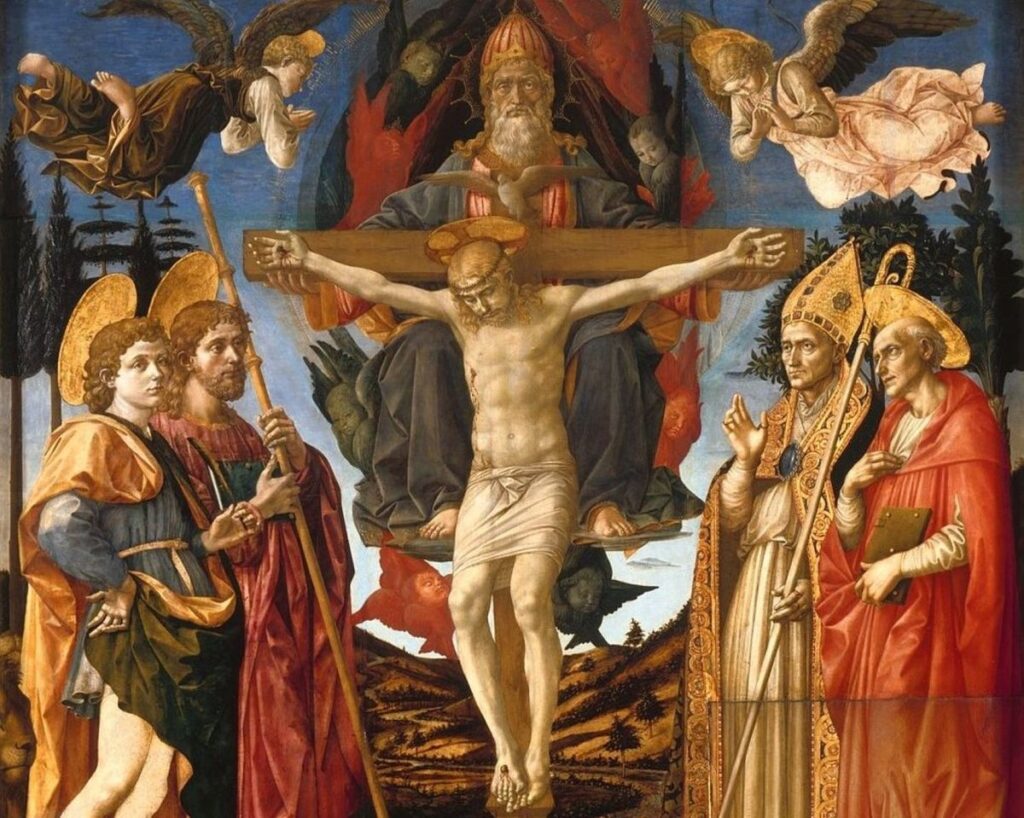
For most traditional Christian denominations, including Roman Catholicism, Eastern Orthodoxy, and many branches of Protestantism, the doctrine of the Trinity is seen as essential to their faith. These groups accept the classic formulations of the Trinity, emphasizing that God the Father, God the Son, and God the Holy Spirit are co-equal and co-eternal. Through the lens of these traditions, the Trinity is not merely a theological construct but the foundation of their worship and understanding of the divine.
These groups base their Trinitarian belief on scriptural references, as previously discussed. For example, the Great Commission in Matthew 28:19 and the prologue of John 1:1 serve as critical texts that reinforce the understanding of the Trinity. In liturgical practices, prayers and hymns often reflect this Triune nature, indicating a deep-seated belief that informs both personal faith and communal worship.
In the context of their understanding of salvation, Trinitarian Christians see the entire Godhead playing integral roles. The Father is recognized as the architect of creation, the Son as the redeemer, and the Holy Spirit as the sanctifier who empowers believers in their daily lives. This interconnected belief not only shapes doctrinal teachings but also influences church practices and the day-to-day experiences of adherents.
Non-Trinitarian Groups and Their Beliefs
On the other hand, non-Trinitarian Christian groups reject the traditional understanding of the Trinity. This rejection often stems from different interpretations of scripture, varying theological philosophies, and an emphasis on the oneness of God. Notable examples of non-Trinitarian groups include Jehovah’s Witnesses, Unitarians, and some Restorationist movements.
For instance, Jehovah’s Witnesses argue that the Bible presents Jesus as a created being and deny the co-equality of the Son with the Father. Instead, they view Jesus as subordinate to God, thereby rejecting the foundational claim of the Trinity that each person is fully God. They also refer to the Bible to support their assertion that God is a singular entity, often quoting verses like John 17:3, which speaks of the Father as “the only true God.”
Similarly, Unitarians emphasize the oneness of God and reject the idea of the Trinity as a distortion of early Christian teachings. They approach biblical texts with a lens that seeks to clarify God’s unity, often drawing distinctions that highlight what they perceive as inconsistencies in Trinitarian thought.
These theological positions highlight the reality that while the Trinity is a defining belief for many, substantial numbers of Christians do not embrace this doctrine. A significant aspect of the discourse surrounding the question, “Do All Christian Religions Believe In The Trinity,” lies in recognizing and respecting this diversity while engaging in meaningful conversation about the nature of God.
| Christian Groups | Trinitarian View | Non-Trinitarian View |
|---|---|---|
| Roman Catholic | Yes | No |
| Eastern Orthodox | Yes | No |
| Protestant Churches | Yes | No |
| Jehovah’s Witnesses | No | Yes |
| Unitarian Christian Groups | No | Yes |
| Restorationist Movements | No (some) | Yes |
This diversity of viewpoints concerning the nature of God continues to inspire discussion and debate within the broader Christian community. Exploring these nuanced beliefs enables a deeper understanding of how various traditions approach the critical question of the Trinity and God’s nature. The discourse surrounding the title “Do All Christian Religions Believe In The Trinity” serves as a bridge for dialogue, highlighting both the common ground and the significant differences that exist among Christian groups.
Non-Trinitarian Christian Groups

Non-Trinitarian Christian groups represent a significant portion of the Christian landscape and offer a distinct perspective on the nature of God, diverging sharply from the mainstream Trinitarian belief. These groups tend to emphasize the oneness of God, rejecting the traditional doctrine of the Trinity, which asserts that God exists as three persons—Father, Son, and Holy Spirit—in one essence. As we delve into the beliefs and practices of non-Trinitarian Christians, it becomes clear that their understanding of divine nature significantly influences their faith and worship.
Understanding Non-Trinitarian Beliefs
At the core of non-Trinitarian beliefs is the affirmation of the absolute unity of God. Groups such as Jehovah’s Witnesses and Unitarians reject the notion that Jesus is co-equal with God the Father. Instead, they interpret biblical texts to support a view of God as a singular entity. For instance, Jehovah’s Witnesses believe Scripture portrays Jesus as “a god” but not the Almighty God, emphasizing passages like John 1:1 where they translate it to affirm that the Word (Jesus) was with God but was not almighty himself. This distinct interpretation leads them to teach that there was a time when Jesus, known as Michael the Archangel before his earthly life, did not exist. Consequently, their worship practices and theological teachings focus on the glorification of God the Father and deemphasize the roles traditionally assigned to the Son and the Holy Spirit in redemptive history.
Unitarians, similarly, uphold a strict understanding of God’s oneness, reading the Bible through a lens that prioritizes unity over triune interpretation. They often highlight scriptures that emphasize God’s singular nature, such as Isaiah 44:6, which states, “I am the first and I am the last; apart from me there is no God.” This perspective shapes their worship and community to reflect a commitment to a singular understanding of divinity, distancing themselves from traditional Trinitarian dogmas.
Theological Implications
The rejection of the Trinity by these groups carries profound theological implications for their soteriology, or understanding of salvation. Many non-Trinitarians emphasize a more individualistic approach to faith, viewing Jesus predominantly as a moral teacher and prophet whose exemplary life provides a model for ethical living rather than acknowledging his divine role in redemption. In their framework, the Father remains central in the economy of salvation, often leading to a focus on personal relationship with God, which they see as more immediate and direct than that offered through Christ’s mediating role in traditional Trinitarian belief.
Beliefs about the Holy Spirit also vary among non-Trinitarians. For many, the Spirit is not regarded as a distinct person of God but rather as God’s active force or presence in the world. This shift impacts how congregational life is structured, as emphasis on the Holy Spirit’s role in empowerment, guidance, and inspiration is realigned with a more abstract perception of God’s influence in believers’ lives. Therefore, in discussing whether “Do All Christian Religions Believe In The Trinity,” it is essential to recognize that these differing convictions shape devotional practices, worship services, and community interactions.
Historical and Cultural Context
The emergence of non-Trinitarian groups can also be traced through historical and cultural contexts where traditional Christian teachings were challenged. The Protestant Reformation prompted a reevaluation of fundamental doctrines, fostering an environment where various interpretations could flourish. Restorationist movements and other sects questioned established orthodoxy and sought to return to what they saw as the original teachings of Christ and the apostles, often concluding that these texts supported a unipersonal understanding of God.
The divergence in belief about the Trinity also aligns with broader theological discourse. The Enlightenment period, characterized by a rise in rationalism and individualism, encouraged ongoing questions about established dogmas, including the nature of God. As critical thinking and personal interpretation became more prevalent, the traditional concept of a triune God was viewed with skepticism by some. Groups embracing this skepticism began to form around a united belief in one God, cutting through centuries of Trinitarian tradition.
Dialogue and Interaction
The existence of non-Trinitarian groups within Christianity highlights an essential dynamic within the faith: a continuous dialogue between differing interpretations of the nature of God. These conversations reflect the diversity of thought and practice within Christianity, engaging in questions such as “Do All Christian Religions Believe In The Trinity.” The ability to discuss these differences respectfully allows for greater understanding among Christians and fosters a more profound exploration of what it means to be part of the body of Christ.
As non-Trinitarian perspectives continue to influence Christian communities, their beliefs challenge Trinitarian Christians to confront their interpretations and theological constructs. In turn, this ongoing interaction encourages broader discussions concerning the essence of faith, fostering a rich tapestry of beliefs within the Christian tradition while reminding adherents of the imperative to seek unity amid diversity. Ultimately, the beliefs of non-Trinitarian groups contribute to a more comprehensive understanding of the myriad ways in which Christians comprehend the divine.
For further reading on the different interpretations of the nature of God in Christianity, you can explore resources like Christianity Today and BBC Religion.
Conclusion: The Significance of the Trinity in Christianity

The significance of the Trinity in Christianity encompasses both deep theological implications and practical expressions of faith. The doctrine presents a comprehensive understanding of God’s nature, providing believers with a framework to interpret their relationship with the divine and the world around them.
At its core, the understanding of God as triune fosters a richer comprehension of how believers experience divine love and grace. The relational aspect of the Trinity illustrates the essence of community, emphasizing that just as God exists in relationship within himself, so too are Christians called to engage in loving, supportive relationships with one another. This communal aspect is crucial, as it underlines the importance of unity and fellowship among believers, inviting them to embody the love that characterizes God’s own nature.
Furthermore, the belief in the Trinity is integral to the doctrine of salvation. Trinitarian theology provides a framework where the roles of God the Father, God the Son, and God the Holy Spirit are distinctly defined yet inseparable. The Father’s role as creator and planner, the Son’s role as redeemer through His sacrificial act, and the Holy Spirit’s role as the active presence in the believer’s life together illustrate a comprehensive view of redemptive history. This understanding not only enhances personal faith but also empowers believers to live out their faith in actionable ways that reflect the character of God.
Engaging in worship that acknowledges the Trinity allows congregations to express their faith in a way that aligns with this triune understanding. Many liturgical practices, whether in hymns, prayers, or sacraments, are framed around the idea of a triune God, underscoring the indivisible unity and distinct roles within the Godhead. Such communal worship fosters a sense of belonging and collective identity among believers, reinforcing the notion that they are part of something larger than themselves, thereby contributing to a holistic faith experience.
Nevertheless, the question of whether all Christian religions believe in the Trinity points to a broader spectrum of beliefs within Christianity. While mainstream denominations uphold the significance of the Trinity, recognizing it as vital to understanding God and the Christian experience, the existence of non-Trinitarian perspectives reveals the rich diversity within the faith. This diversity invites healthy theological dialogue and challenges believers to explore their convictions concerning the nature of God, ultimately enriching the overall Christian discourse.
In summary, the Trinity is not only a central tenet of many Christian beliefs but also a vital aspect that shapes the lives of believers in profound ways. It encourages a deeper understanding of community, enhances the worship experience, and frames the narrative of redemption. As discussions around “Do All Christian Religions Believe In The Trinity” continue, they illuminate the dynamic interplay between unity and diversity within the Christian faith. This exploration will continue to impact how Christians understand their relationship with God and with each other, fostering growth in their spiritual journeys.





Post Comment