
How To Be A Better Muslim
- Understanding Islamic Principles
- Strengthening Your Faith
- Engaging in Community Service
- Practicing Mindfulness and Gratitude
- Building Healthy Relationships
Understanding Islamic Principles
How To Be A Better Muslim ? An in-depth comprehension of Islamic principles stands as the foundation for anyone aspiring to navigate the path of faith while actively seeking how to be a better Muslim. These principles manifest the core tenets of belief, encompassing a myriad of values and teachings derived from the holy Quran and the Hadith. Understanding these principles is crucial as they not only shape our individual spiritual journeys but also guide our interactions with others, fostering a harmonious community.
The Five Pillars of Islam form the very essence of Islamic practice. These are Shahada (faith), Salah (prayer), Zakat (charity), Sawm (fasting during Ramadan), and Hajj (pilgrimage to Mecca). We must explore each of these pillars to appreciate their significance fully. The Shahada, the declaration of faith, reinforces the oneness of Allah and the prophethood of Muhammad. It is a potent reminder of our commitment to faith, prompting the question: how often do we reaffirm this commitment daily?
Salah plays an integral role by establishing a direct line of communication with Allah five times a day. This discipline not only fosters spiritual growth but also cultivates a sense of community among Muslims. Engaging in Salah collectively, whether in a mosque or at home, enhances our understanding of unity and brotherhood—fundamental values within Islam.


- Holy Quran Part 30 (JUZ AMMA) Book with English Translation (12 Pcs Lot)
- Dr. Mustafa Khattab (Author)
- English (Publication Language)
- 416 Pages - 12/26/2015 (Publication Date) - Message for Humanity (Publisher)
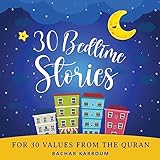
- Karroum, Bachar (Author)
- English (Publication Language)
- 129 Pages - 02/08/2023 (Publication Date) - GoodHearted Books Inc. (Publisher)
The obligation to give Zakat emphasizes the importance of social responsibility and economic equality. By distributing wealth to those in need, we acknowledge the blessings Allah has bestowed upon us while also purifying our own wealth. This act of giving instills a sense of gratitude and humility, essential qualities for anyone endeavoring to improve their character.
Additionally, Sawm, observed during the holy month of Ramadan, serves as a period of reflection and self-control. The experience of fasting not only aids in spiritual cleansing but also fosters empathy towards the less fortunate, enhancing our awareness of global hardships. This annual practice is an exquisite reminder of the significance of self-discipline and compassion, encouraging us to channel our energies towards self-improvement.
Lastly, the Hajj pilgrimage is a profound manifestation of faith and submission to Allah. Performing Hajj, if possible, offers a unique opportunity for personal transformation through experiences that transcend cultural barriers, reinforcing the universality of Islam. As we gather with millions from diverse backgrounds, we witness the beauty of global unity in faith, reinforcing our identity as Muslims.
A deeper understanding of these pillars and their implications can significantly enhance our journey as practicing Muslims. Beyond the Five Pillars, we must also embrace core Islamic values such as justice, mercy, tolerance, and humility. These values are encapsulated in numerous Quranic verses and Hadiths, providing us with comprehensive guidance on how to lead an ethical life aligned with the teachings of Islam.
To embody these principles, continual learning and reflection are paramount. Engaging with Islamic scholars, attending lectures, or participating in study circles can greatly enrich our knowledge. Additionally, seeking answers to challenging questions about our faith through researched Islamic literature or engaging in discussions with knowledgeable individuals allows us to evolve in our understanding and connection to Islam.
As we deepen our understanding of Islamic principles, we should also integrate these teachings into our daily lives. This integration can manifest through various acts, such as embodying kindness in our interactions or standing up for justice in our communities. By doing so, we not only foster our personal growth but also contribute positively to society, illuminating the beauty of Islam through our conduct.
- Holy Quran Part 30 (JUZ AMMA) Book with English Translation (12 Pcs Lot)
- Dr. Mustafa Khattab (Author)
- English (Publication Language)
- 416 Pages - 12/26/2015 (Publication Date) - Message for Humanity (Publisher)
- Karroum, Bachar (Author)
- English (Publication Language)
- 129 Pages - 02/08/2023 (Publication Date) - GoodHearted Books Inc. (Publisher)
Moreover, embracing unity among Muslims from diverse cultural backgrounds is vital in creating a strong, interconnected community. Understanding the inspirations that guide different traditions can build bridges and foster deeper relationships. Celebrating Islamic festivals together, engaging in community discussions, or partaking in collaborative charitable activities plays a significant role in fortifying our connections and living out the principles of brotherhood.
Ultimately, comprehending and applying Islamic principles empowers us in our journey to not only become better Muslims, but also better global citizens. As we strive to embody these teachings in our lives, we pave the way for a more profound impact on both ourselves and those around us, enhancing the shared experience of faith in our communities. Through consistent efforts to align with these principles, we embrace the path toward living an enriched Muslim life, marked by faith, compassion, and unwavering commitment to our beliefs.
Strengthening Your Faith
In the journey of strengthening your faith, it is essential to actively engage in practices that reinforce your connection with Allah and enhance your understanding of the teachings of Islam. The quest for spiritual growth begins with personal reflection and an earnest desire to deepen your relationship with the Creator. This self-reflection often leads to the realization that the path to becoming a better Muslim involves a combination of devotion, learning, and practical application of Islamic teachings in everyday life.
One effective approach to strengthening your faith is the establishment of a consistent and meaningful prayer routine. Regular Salah at designated times throughout the day anchors your day in spirituality, reminding you of your purpose and priorities. Engage in your prayers with full concentration, reflecting on the meanings of the words you recite. This mindfulness can transform your spiritual experience, allowing you to connect deeply with Allah. Consider incorporating additional voluntary prayers (Nafl) into your practice, which further enriches your spiritual life and serves as a form of gratitude and worship.
Engaging with the Quran
To truly strengthen your faith, it is vital to foster a relationship with the Quran, the holy book of Islam. Reading, reciting, and reflecting upon the Quran can unveil profound insights that deepen your understanding of Islamic principles. Aim to engage with the Quran regularly; set aside time daily for reading and contemplation. Utilize translation and Tafsir (interpretation) to grasp the meanings behind the verses fully. Reflecting on the stories and lessons within its pages not only enhances your knowledge but also encourages you to apply these teachings within your own life.
In parallel, make it a priority to learn the Sunnah of the Prophet Muhammad (peace be upon him). His life serves as the ideal example for Muslims, demonstrating how to embody Islamic values in various situations. Studying Hadith literature provides guidance on ethical conduct, interpersonal relationships, and personal responsibilities, aiding you in navigating everyday challenges while remaining true to your faith.
Additionally, consider attending local or online Islamic lectures and study circles to expand your knowledge. Engaging in discussions with knowledgeable companions can provide new perspectives and insights into the rich tapestry of Islamic thought. The teachings you receive from others can inspire you in ways you might not have anticipated, motivating you to embrace practices that cultivate your spiritual growth.
Integrating Faith into Daily Life
The journey of how to be a better Muslim also involves integrating your faith into your daily activities. Be conscious of your actions and behaviors, ensuring they align with Islamic teachings. Strive for excellence in your character by exhibiting virtues such as honesty, patience, and generosity in all facets of life. This effort not only strengthens your relationship with Allah but also serves as a testament to your faith in the eyes of others.
Incorporation of regular dhikr (remembrance of Allah) into your daily routine can significantly enhance your mindfulness, reminding you of Allah’s presence throughout your day. Simple phrases of remembrance, such as “SubhanAllah” (Glory be to Allah), “Alhamdulillah” (All praise is due to Allah), and “Allahu Akbar” (Allah is the Greatest), can be recited during mundane tasks, transforming ordinary moments into opportunities for spiritual connection.
As you engage in the practices that fortify your faith, aim to cultivate a sincere intention (niyyah) in all you do. Intention serves as the driving force behind your actions; when aligned with the desire to earn Allah’s pleasure, even routine activities become acts of worship. Always remind yourself that personal growth and spiritual development are lifelong journeys, requiring patience, perseverance, and ongoing commitment to learning. By consistently strengthening your faith, you create a resilient spiritual foundation, allowing you to navigate life’s challenges with a sense of tranquility and purpose.
- Holy Quran Part 30 (JUZ AMMA) Book with English Translation (12 Pcs Lot)
- Dr. Mustafa Khattab (Author)
- English (Publication Language)
- 416 Pages - 12/26/2015 (Publication Date) - Message for Humanity (Publisher)
- Karroum, Bachar (Author)
- English (Publication Language)
- 129 Pages - 02/08/2023 (Publication Date) - GoodHearted Books Inc. (Publisher)
Engaging in Community Service
Engaging in community service is a profound aspect of embodying Islamic teachings and is a vital avenue toward becoming a better Muslim. Islam places a significant emphasis on social responsibility, urging believers to contribute positively to their communities. This involvement not only strengthens one’s faith but also embodies the fundamental Islamic values of compassion, service, and belonging.
The Importance of Community Service
Community service serves as a powerful vehicle for fulfilling one’s religious obligations. The act of helping others aligns with the teachings of the Quran and the prophetic traditions. Engaging in altruistic activities fulfills the concept of Zakat, as charity extends beyond mere financial contributions to encompass time and service. By participating in community service, Muslims can actively live out the principles of empathy, teamwork, and social justice.
Statistics indicate a notable impact of community service on both individuals and communities.
| Statistic | Percentage |
| Muslims engaged in volunteer work annually | 75% |
| Diakonia’s report on the effect of volunteer work on local communities | 80% report improved community well-being |
| Increased unity at community events attendance | 60% increase |
These statistics highlight the importance of community service within Muslim communities and its expansive benefits. When Muslims come together to serve, they not only address the needs of those around them but also foster friendships, shared goals, and a robust sense of identity.
<h3.Types of Community Service
Engaging in community service can manifest in numerous forms, from direct efforts such as distributing food to the needy to organizing educational workshops that uplift underprivileged individuals. Options for community service include:
1. **Food Drives**: Organizing or participating in food redistribution efforts to support families facing food insecurity.
2. **Educational Programs**: Volunteering to tutor students from low-income families or providing resources for educational development can illuminate paths toward better futures.
3. **Healthcare Support**: Engaging in health initiatives like free clinics, workshops on healthy living, or organizing blood donation drives assists communities’ well-being.
4. **Environmental Initiatives**: Participating in community clean-up drives and sustainability workshops not only serves the immediate environment but reinforces the Islamic value of stewardship over the earth.
5. **Supporting Refugees and Immigrants**: Actively participating in efforts to assist refugees, including language classes or community integration programs, showcases compassion and promotes inclusivity.
Through diverse types of community service, individuals can find particular areas that resonate with their skills and passions, enhancing their journey on how to be a better Muslim.
<h3.Cultivating a Culture of Service
To promote a culture of service within the community, it is essential to lead by example. Encourage family members, friends, and young people to participate in community service together. Establishing regular events that engage members within a community can enhance participation and strengthen ties. Educational institutions can also play a pivotal role by incorporating community service into their curriculum, instilling the values of charity and communal responsibility from a young age.
Additionally, digital platforms can be utilized to create awareness about service opportunities. By sharing experiences and stories of community service, individuals can inspire a wider audience about the benefits of giving back. These narratives can highlight success stories, illustrate the impact on individuals and families, and reinforce the idea that service is a vital part of a Muslim’s identity.
Through these efforts, engaging in community service becomes an integral part of the Muslim identity, reminding each believer of their responsibilities towards society. As we strive to embody the essence of Islam, serving others becomes not just a thought but a practice, reinforcing the values central to how to be a better Muslim. Together, through acts of service, we can create a tapestry of hope and compassion, guiding ourselves and those around us in our collective journey of faith.
Practicing Mindfulness and Gratitude

Practicing mindfulness and gratitude significantly enhances your spiritual journey and overall character. As Muslims, we are called to cultivate a state of awareness that allows us to appreciate the blessings bestowed upon us by Allah. This practice is not just beneficial for personal growth but is also a pivotal aspect of how to be a better Muslim. Mindfulness encourages us to remain present in our daily lives while recognizing the divine blessings surrounding us, leading to a more profound sense of fulfillment and purpose.
The Role of Mindfulness in Daily Life
Mindfulness fundamentally involves being attentive to the present moment without judgment. This practice can be integrated into daily routines as a way of connecting thoughts, actions, and intentions to our faith. For example, during Salah, engaging completely in the prayer rather than allowing your mind to wander enhances both the spiritual experience and your connection to Allah. Expanding this mindfulness to daily activities, such as eating, working, or interacting with others, helps you develop a greater appreciation for the moments life offers.
In Islam, every action can be an act of worship if performed with sincere intention. Whether you are engaging in the mundane or the sacred, aware presence brings a distinctive quality to all actions. This heightened awareness can also lead to a conscious effort to embody Islamic principles in every aspect of your life.
One way to enhance your mindfulness is through the practice of deliberate breathing. When you find moments of tension or distraction, taking deep breaths and refocusing can help you regain tranquility. Reflecting on the teachings of Islam helps keep your heart aligned with gratitude, as the practice of acknowledging Allah’s blessings naturally follows mindful awareness.
<h3Cultivating Gratitude as a Core Practice
Gratitude is powerful in nurturing contentment and joy in our hearts. Acknowledging the various blessings in our lives—whether big or small—deepens our appreciation for Allah’s generosity. Practicing gratitude is an essential aspect of how to be a better Muslim, as it shifts our focus away from negativity and dissatisfaction towards joy and positivity.
Engaging in specific exercises to cultivate gratitude can enhance this mindset. Keeping a gratitude journal, for instance, encourages you to reflect on and document the blessings received each day. Writing down three things you are grateful for enhances your awareness of the positives in your life, fostering a more fulfilling outlook.
Additionally, integrating expressions of gratitude into your prayers can significantly impact your spiritual experience. Use your Salah and supplications to express thanks for the countless blessings you enjoy, reinforcing a mindset of gratitude. Quranic verses, such as, “And [remember] when your Lord proclaimed: ‘If you give thanks, I will give you more'” (Quran 14:7), remind us of the incredible rewards that accompany a grateful heart.
<h3Engaging with Community Through Gratitude
Mindfulness and gratitude are not merely personal endeavors; they extend outward into our communities. As you deepen your practice of gratitude, consider how you can share that energy with those around you. Acts of kindness, whether through volunteering or simply being present for others, create a ripple effect of positivity that can enhance community well-being.
When we express gratitude to others—be it family, friends, or even strangers—we strengthen bonds and promote a spirit of togetherness. Engage in conversations that highlight appreciation for those who support you or offer services within the community. Small expressions of gratitude, such as a heartfelt thank you or handwritten notes, contribute significantly to cultivating a positive atmosphere, thus embodying the essence of how to be a better Muslim.
Furthermore, participate in community gatherings or Islamic events that promote collective gratitude. Sharing experiences of blessings within a group fosters a mutual sense of appreciation and encourages a culture of mindfulness and thankfulness—principles deeply rooted in Islamic teachings.
<h3Mindfulness and Gratitude in Personal Development
As you embark on your journey incorporating mindfulness and gratitude into your life, it is crucial to remember that this practice is a continual process that evolves over time. Regularly revisiting and recalibrating your mindfulness practices can also enhance your journey. Consider setting aside time for reflection, prayer, or meditation, ensuring that you consciously dedicate attention to your spiritual development.
Participating in workshops or reading literature on mindfulness can provide additional insights and techniques, enhancing your skills and allowing you to share your knowledge with others. By becoming an advocate for mindfulness and gratitude within your circles, not only do you uplift yourself, but you also inspire a greater understanding of how to be a better Muslim within your community.
The intersection of mindfulness and gratitude reflects the true essence of Islamic ethics, offering countless opportunities for personal and communal growth. By embodying these practices in our daily lives, we pave the way for a richer and more meaningful engagement with our faith, ultimately transforming both our hearts and communities into reflections of compassion, appreciation, and connection. For more information on mindfulness in Islam, consult resources from the Islamic Society of North America and the Al-Mawrid Institute to deepen your understanding of these practices.
Building Healthy Relationships
Building healthy relationships is crucial for nurturing one’s spirituality and exemplifying the teachings of Islam. Every interaction we have, whether with family members, friends, or even strangers, serves as an opportunity to demonstrate our faith and embody the principles outlined in how to be a better Muslim. Healthy relationships contribute positively to our well-being, foster community cohesiveness, and reflect the values of respect, compassion, and understanding found within Islamic teachings.
To cultivate healthy relationships, it is essential first to recognize the importance of communication. Open, honest dialogue is foundational for any relationship. Emphasizing respectful communication can transform misunderstandings into opportunities for growth. When conflicts arise, employing active listening—where you fully engage with the speaker, acknowledging their feelings and perspectives without immediate judgment—can lead to constructive discussions. This practice not only helps resolve issues but also strengthens your bonds by fostering mutual respect.
Moreover, maintaining kindness and gentleness in your interactions aligns perfectly with the teachings of the Prophet Muhammad (peace be upon him), who emphasized the significance of good character. Incorporating simple acts of kindness, like offering a sincere compliment or expressing appreciation, can enhance the quality of your relationships. Small gestures often hold the power to uplift others, making kindness a core principle in how to be a better Muslim.
Empathy is another key element in fostering healthy relationships. Putting yourself in someone else’s shoes allows you to understand their experiences and emotions more deeply. This understanding can lead to more compassionate responses and a willingness to support those around you. The Quran emphasizes this value, encouraging believers to be sensitive to the struggles of others, thus creating a nurturing environment conducive to emotional health and stability.
On the other hand, it is equally important to set healthy boundaries. Respecting your own needs is vital in ensuring that relationships do not become a source of emotional drain. Establishing clear boundaries allows you to love and support others effectively without compromising your own well-being. Through the teachings found in how to be a better Muslim, we learn that self-care does not conflict with altruism; rather, they can coexist harmoniously.
Family relationships hold a particularly significant place in Islam. The family unit is often seen as the foundation of a healthy community, making it essential to prioritize family connections. Engaging in family activities, being present in times of need, and showing appreciation for one another fosters unity and love. Participating in family prayers or sharing meals can serve as meaningful rituals that strengthen familial bonds.
As individuals navigate friendships, it is vital to surround themselves with those who positively impact their spiritual journey. Engaging with friends who share similar values and a commitment to personal growth can provide support and motivation. Moreover, nurturing friendships should involve uplifting and encouraging one another, creating a collective space to grow in faith. This aligns closely with how to be a better Muslim, as companionship not only shapes individual character but also reflects the community’s strength.
Furthermore, engaging in forgiveness plays a pivotal role in maintaining healthy relationships. Holding onto grudges often leads to stress and resentment, hindering the ability to connect with others authentically. Islam emphasizes the importance of forgiving those who may have wronged you, creating an atmosphere of healing and reconciliation. Learning to let go of past grievances fosters not only personal freedom but also nurtures deeper connections.
Community relationships further highlight the need for building healthy connections. Active participation in community events, volunteering, and engaging with others who share your faith can cultivate a strong sense of belonging. These communal interactions resonate with the teachings of how to be a better Muslim by reinforcing the concept of brotherhood and sisterhood among believers.
In summary, nurturing healthy relationships is fundamental for both personal and spiritual growth in Islam. Through effective communication, kindness, empathy, boundary-setting, and forgiveness, individuals can foster meaningful connections. These relationships not only enrich our lives but also serve as a living testament to the principles of Islam, facilitating a harmonious and supportive community. By embodying these values, we take significant steps toward achieving the goals outlined in how to be a better Muslim, ultimately contributing to a more connected and compassionate society.









Post Comment