
Was Corrie Ten Boom A Jew
- Corrie Ten Boom’s Background
- The Historical Context of World War II
- The Ten Boom Family and Their Faith
- Corrie’s Contributions to Jewish Rescue
- Legacy and Recognition in Jewish History
Corrie Ten Boom’s Background
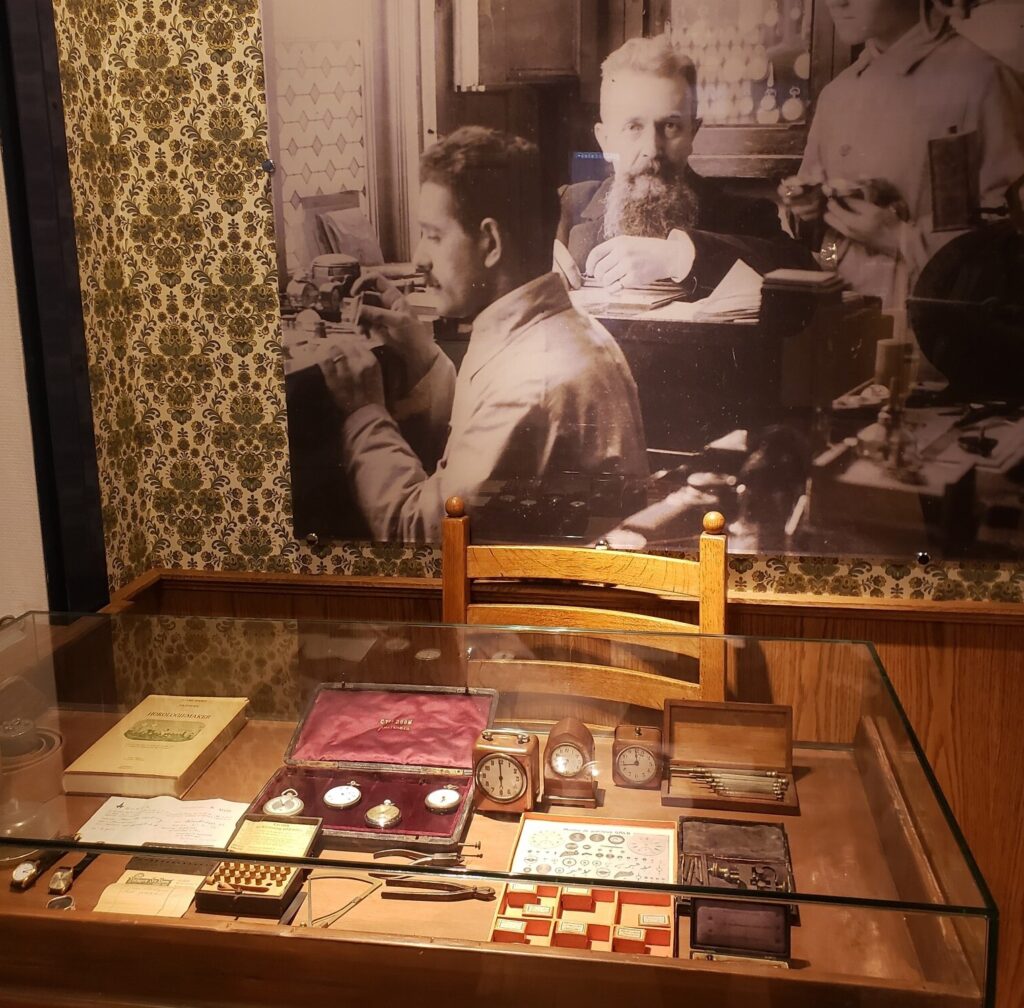
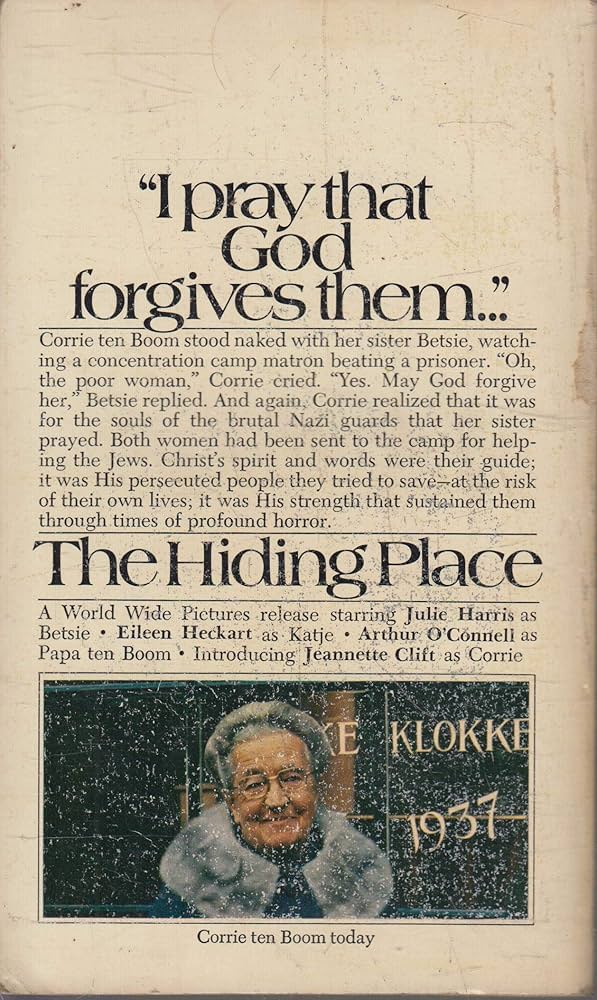
Was Corrie Ten Boom A Jew? Corrie Ten Boom was born on April 15, 1892, in Haarlem, Netherlands, to a devout family deeply rooted in Christian faith and traditions. As the youngest of four children, she grew up in a household that was not only loving but also committed to the principles of their Dutch Reformed Christian beliefs. The Ten Boom family operated a wristwatch shop, which became a central hub for various community interactions. The family’s commitment to service and compassion was instilled in Corrie from a young age, encouraging her to develop values that would guide her throughout her life.
Education played a significant role in her formative years. Corrie attended a local public school before moving on to study at a trade school, where she learned the watchmaking business. This education not only bolstered her confidence as a professional but also exemplified her family’s commitment to education and skill development for young women in an era when such opportunities were limited. By the time she entered adulthood, Corrie had already begun to display the traits that would later define her legacy: determination, integrity, and a profound faith that would guide her through one of history’s darkest times.
No products found.
As World War II loomed in Europe, the Ten Boom family’s life took a pivotal turn. They became increasingly aware of the escalating persecution of Jewish people, fueled by Nazism’s rise. Influenced by their Christian convictions, the family felt a moral obligation to aid those in desperate need. Corrie, alongside her father and siblings, did not hesitate to take action. Their home became a sanctuary, reflecting a remarkable commitment to humanitarianism and compassion in the face of widespread atrocities. This willingness to help others, regardless of their background or faith, is a testament to Corrie Ten Boom’s upbringing and the values her family upheld.
The events leading to the Ten Boom family’s decision to shelter Jews and resist Nazi oppression were significantly influenced by their Christian faith. They believed in the inherent dignity of every human being, regardless of ethnicity or religion. It is crucial to recognize this perspective when exploring the question, “Was Corrie Ten Boom A Jew?” While Corrie was not Jewish herself, her actions during the Holocaust underscored a profound commitment to Jewish lives, illustrating a complex intersection of faith, morality, and social responsibility.
As the Nazi regime intensified its efforts to eradicate Jewish communities, the Ten Boom family transformed their home into an impromptu refuge. They constructed a secret room in their house, capable of hiding numerous individuals from imminent arrest. This act of defiance against the oppressive regime was both dangerous and courageous, showcasing the extraordinary spirit of the Ten Boom family. Corrie’s ability to remain resilient during these perilous times solidified her role as a pivotal figure in the Dutch resistance movement, demonstrating that courage could emerge even in the bleakest of circumstances.
The trials faced by Corrie and her family revolved around more than merely helping Jewish individuals; they were about making a profound statement against injustice. Their clandestine efforts were a blend of faith-inspired action and a desire to stand against the evils they witnessed. This resolve would eventually lead to their arrest by the Gestapo in 1944, but it also paved the way for Corrie’s voice to echo throughout history as a figure of hope and resilience.
After the war, Corrie dedicated her life to sharing her experiences, promoting forgiveness, and advocating for reconciliation between Jewish and Christian communities. She traveled extensively, engaging audiences with her remarkable stories of courage and faith, emphasizing the importance of love and acceptance among diverse groups. Her background and formative years played a critical role in shaping her worldview, laying the groundwork for her lifelong mission of compassion and understanding.
No products found.
In exploring Corrie Ten Boom’s background, it becomes evident that her life was characterized by an unwavering commitment to faith, justice, and the sanctity of life. Her journey illustrates the profound impacts of individual decisions in the face of collective adversity and highlights the role of personal convictions in shaping history itself. Corrie’s story transcends her identity, offering a powerful message that resonates today: that nurturing courage within ourselves can inspire others and foster a legacy of hope amidst despair.
The Historical Context of World War II

The rise of the Nazi regime in Germany during the 1930s led to an alarming increase in antisemitism, permeating not only German society but also spreading throughout Europe. The systemic oppression of Jewish people was founded on a hateful ideology that dehumanized individuals based solely on their ethnic identity. The events of Kristallnacht in November 1938 marked a catastrophic turning point; violence against Jewish homes, businesses, and synagogues intensified, leading to heightened fears among Jewish communities. As the war progressed, these acts became more brutal as the Nazis implemented their genocidal plans, overtly aiming to execute the “Final Solution.”
No products found.
In occupied countries, such as the Netherlands, Jews faced the dire consequences of this brutal campaign. Their rights diminished, they were segregated, publicly humiliated, and ultimately deported to concentration camps. The widespread loss of life and the atrocities committed during this period highlighted the moral obligation of those who could act—those who witnessed the insidious growth of Nazism. It was against this disturbing backdrop that individuals like Corrie Ten Boom and her family emerged, driven by their faith and commitment to human rights.
Under such dire conditions, the Ten Boom family felt an urgent call to action. Their Christian faith, particularly the teachings of love, compassion, and the sanctity of human life, motivated them to assist their Jewish neighbors. They recognized that their own safety and security were secondary to the moral imperative to rescue those facing extermination. The family’s watch shop became a covert operation where they, along with members of the Dutch underground, orchestrated efforts to hide and transport Jews to safer locations.
The construction of a hidden compartment within their home, able to shelter those on the run, exemplified the remarkable lengths to which the Ten Booms were willing to go. It was not just a physical act of refuge but also a profound moral stand against an evil regime. Within those walls, faith and hope flourished even amid fear and despair. Each day was a critical gamble, and the risk escalated with every person they sheltered. The Gestapo were relentless in their pursuit of those deemed “undesirable,” and discovery meant almost certain death for those in hiding, as well as severe punishment for the rescuers.
As the war escalated and the Nazi grip tightened, many locals turned a blind eye to the suffering around them, but the Ten Boom family stood as an exception. They not only faced the threat of arrest but also the moral consequences of apathy. The bravery displayed by Corrie and her family is pivotal in understanding the question, “Was Corrie Ten Boom A Jew?” While Corrie was not of Jewish descent, her actions were profoundly intertwined with Jewish lives at peril. Her endeavors demonstrated that moral courage knows no boundaries of ethnicity or religion.
Despite the consequences, the Ten Booms continued their operations until they were finally betrayed in 1944. The Gestapo arrested them, leading to imprisonment and the harrowing experiences that accompanied it, ultimately resulting in the death of Corrie’s sister, Betsie, in a concentration camp. However, even in the grasp of severe adversity, the resilience and steadfast faith that Corrie embodied did not wane. She carried with her the lessons of love, compassion, and forgiveness, which she would later share with the world, inviting others to reflect on their roles in the fight against oppression.
In this historical context, the meaning of Corrie Ten Boom’s legacy transcends her identity as a non-Jewish rescuer and instead highlights the profound impact of individual courage in confronting systemic evil. Her story encapsulates a central truth about humanity: that compassion can drive people to defy unjust norms, ultimately altering the course of history.
The Ten Boom Family and Their Faith
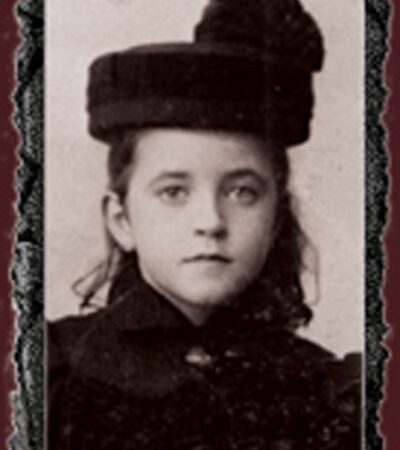
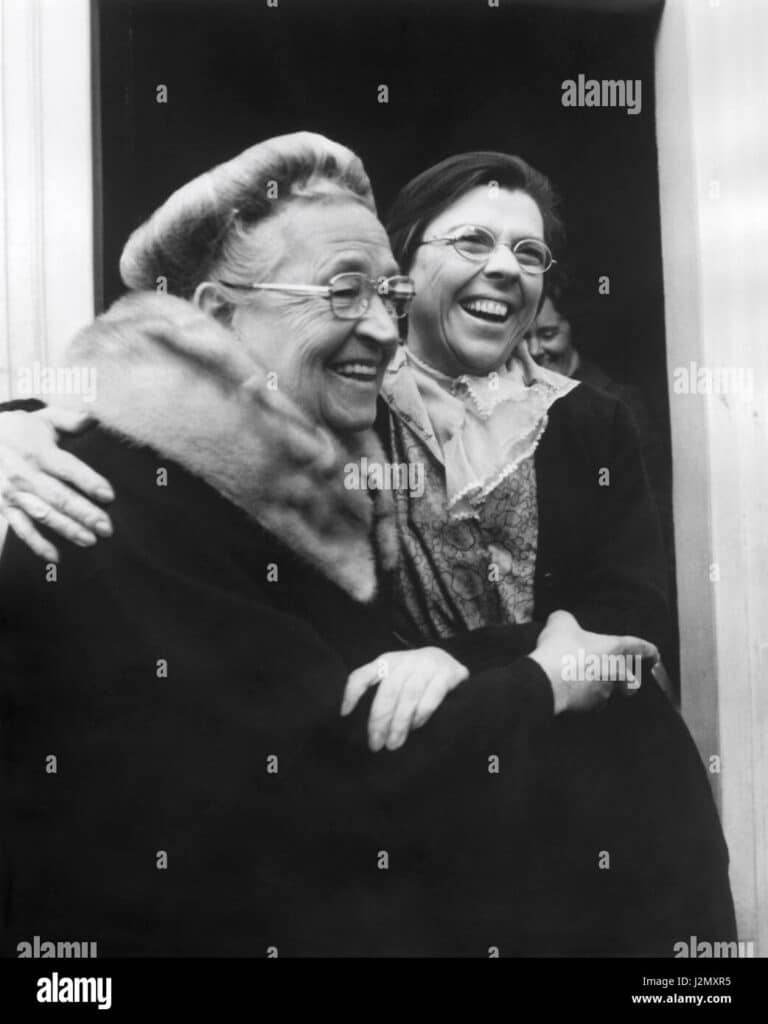
The Ten Boom family lived a life steeped in Christian faith, which was profoundly reflected in their actions and beliefs. Central to their life was the conviction that they were called to serve others, especially those in dire need. This ethos was deeply influenced by their upbringing in the Dutch Reformed Church, which emphasized not only personal piety but also social responsibility and the obligation to aid those who were oppressed.
Despite being a non-Jewish family, the Ten Booms’ faith compelled them to act in accordance with a higher moral standard during the horrific events of the Holocaust. They believed in the scriptural teachings that urged believers to love their neighbors as themselves, a principle that guided them towards assisting their Jewish compatriots. The question “Was Corrie Ten Boom A Jew?” is notable here, as the essence of their actions stemmed from their Christian beliefs rather than any ethnic connection to Judaism.
Faith in Action
As the threat of the Nazi regime loomed larger, the Ten Boom family made deliberate choices that risked not just their safety but their lives. Their home became a sanctuary, not just geographically but symbolically—a place representing hope, compassion, and bravery. They constructed a hidden space, capable of sheltering numerous individuals from the threat of arrest and deportation. This act was a direct manifestation of their faith in action, contrasting starkly with the increasing apathy and complicity of many others in society.
| Action | Description | Impact |
|---|---|---|
| Construction of a Hidden Room | A secret area in their home capable of hiding multiple people | Saved lives by providing refuge for those at risk |
| Community Engagement | Worked with local resistance groups to facilitate the escape of Jews | Strengthened solidarity among those resisting the Nazi regime |
| Advocacy for Compassion | Spoke about love, forgiveness, and acceptance after the war | Inspired post-war healing and reconciliation efforts |
Facing Adversity
The Ten Boom family’s willingness to risk everything for the sake of others cannot be overstated. When the Gestapo finally caught wind of their activities, they were arrested in 1944. The severe consequences they faced exemplified the dangers of their actions; however, Corrie Ten Boom’s faith did not falter even during her imprisonment. In fact, it was during these harrowing times that she demonstrated extraordinary resilience, fostering hope among fellow inmates and embodying the teachings of her faith.
Through her experiences in the concentration camp, Corrie learned about the power of love and forgiveness, even in the face of unimaginable suffering. She later shared these lessons widely; her memoirs and speeches emphasized that true humanity can shine brightly even in the darkest of times. The question “Was Corrie Ten Boom A Jew?” leads to a broader understanding of her identity; she became a symbol of loving kindness that transcended ethnic lines and embraced universal human rights.
Continuation of Faith Beyond the War
After the war, Corrie’s faith continued to drive her mission of reconciliation between Christians and Jews, as well as healing wounds left by the Holocaust. She traveled around the world, sharing her story and advocating for understanding and compassion. Her faith, intertwined with her humanitarian actions, became a legacy that influenced countless individuals, ensuring that the suffering endured during the Holocaust would not be forgotten.
Corrie Ten Boom’s life was emblematic of how faith can inspire action in the face of systemic evil. Her unwavering commitment to doing what was right—helping those in need regardless of their background—shapes the narrative of her family’s legacy. In this context, the question “Was Corrie Ten Boom A Jew?” emphasizes not only her non-Jewish identity but also her profound connection to the Jewish community through her acts of resistance and rescue.
Corrie’s Contributions to Jewish Rescue
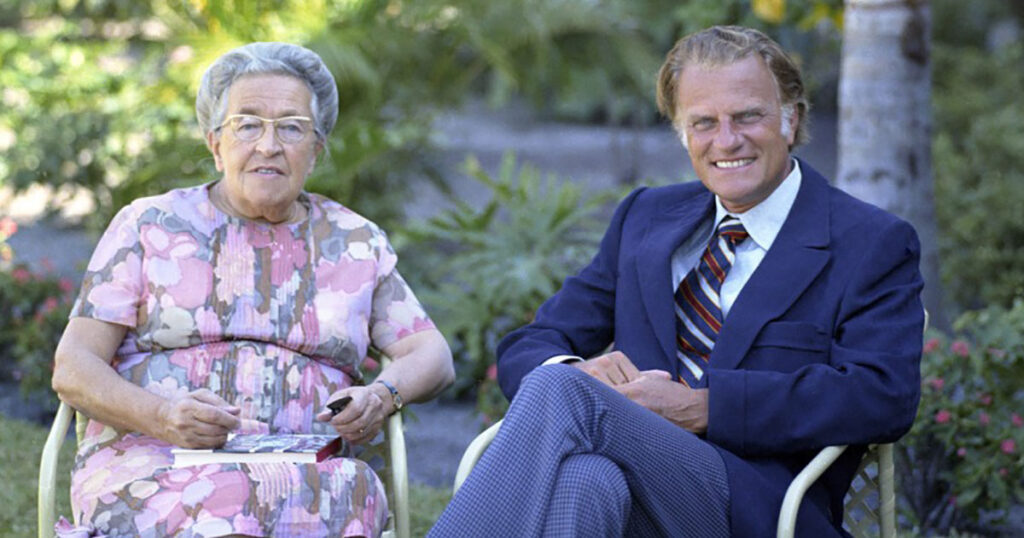
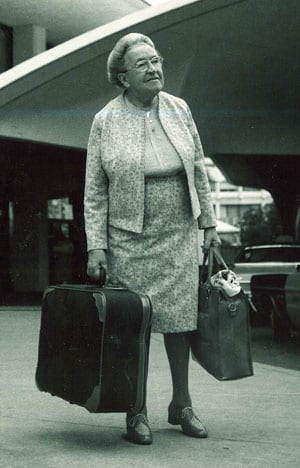
 Corrie Ten Boom’s remarkable contributions during the Holocaust exemplify the powerful intersection of faith, courage, and humanity. As the Nazi regime escalated its horrific campaign against Jewish people, Corrie and her family took bold and life-threatening actions to rescue those at risk. Their home in Haarlem became a refuge for Jews escaping their pursuers. This sanctuary was much more than just a physical safe space; it represented a moral stronghold against tyranny and oppression. The dedication of the Ten Boom family to this cause touches on the critical question, “Was Corrie Ten Boom A Jew?” As a non-Jewish individual, her role in this narrative is rooted in her profound commitment to human dignity and compassion.
Creating a Safe Haven
With the growing urgency to protect Jewish lives, the Ten Boom family’s efforts intensified. They designed a hidden room in their house, capable of concealing several individuals from the ever-watchful eyes of Nazi authorities. This secret space was ingeniously crafted to accommodate up to six people at once, providing them with a brief respite from the harrowing reality of the outside world. The room remained undiscovered for a significant time, allowing those who sought refuge to evade capture. Such acts of defiance against the oppressive regime were rare; thus, the question “Was Corrie Ten Boom A Jew?” takes on a deeper meaning when considering her selflessness in aiding the Jewish community. Her race and religion did not define her actions; her moral compass dictated a duty to protect.
In addition to constructing the hidden compartment, the Ten Boom family collaborated with local resistance networks to facilitate the safe passage of Jews to locations that offered more protection. They coordinated efforts with Dutch underground movements, ensuring that those in peril could reach safety. Even amidst the constant threat of betrayal, the Ten Boom family’s unwavering dedication to rescuing their Jewish neighbors reflected a profound belief in the sanctity of life and the power of collective action against evil. Corrie’s actions demonstrate that courage transcends religious affiliations; her legacy intertwines with those she saved, highlighting the shared humanity in the struggle for survival.
The Price of Resistance
The courage displayed by the Ten Boom family came at a devastating price. In 1944, their selfless efforts came to an abrupt halt when they were betrayed by an informant. The Gestapo arrested Corrie, her father, and her sister Betsie, leading them to a grim fate in concentration camps. Their experiences during imprisonment were harrowing, but Corrie clung to her faith and continually sought ways to uplift her fellow prisoners. This resilience in the face of unimaginable darkness serves as a poignant reminder of her commitment to love and forgiveness, which she would later share with the world.
Despite the suffering and loss endured during this tumultuous period, Corrie’s faith and experiences deepened her resolve to promote peace and reconciliation. After the war, she devoted herself to proclaiming the message of hope, urging people to look beyond societal divides. The ramifications of her actions continued to reverberate, emphasizing that moral courage and compassion can arise from even the most tragic circumstances. Her commitment to aiding Jewish lives signals a profound connection to the very essence of humanity, prompting the question, “Was Corrie Ten Boom A Jew?” It underscores the reality that her legacy is intrinsically linked to the Jewish community she sought to protect.
A Lasting Legacy
In her later years, Corrie became a renowned speaker and writer, sharing her experiences and advocating for forgiveness, reconciliation, and healing. She tirelessly promoted understanding between Christian and Jewish communities, emphasizing the importance of unity in a world often divided by hatred and prejudice. Her travels took her across the globe, where she engaged audiences with her narrative of resilience, faith, and love.
As her journey unfolded, Corrie became a symbol of hope and an advocate for human rights. The lessons learned from her experiences during the Holocaust create an enduring message: that love can triumph over hate. The question, “Was Corrie Ten Boom A Jew?” ultimately illustrates the profound impact of one individual’s actions in a sea of suffering and despair. Corrie Ten Boom, through her courageous rescue efforts and faith-driven principles, proved that moral action knows no ethnic or religious bounds; it is simply a reflection of one’s humanity and commitment to doing what is right, regardless of the cost.
Her work in promoting understanding and closing the gaps between communities continues to inspire new generations, reminding us that individuals can indeed change the world through acts of compassion. For more information on her life and legacy, you can explore sources such as The Corrie Ten Boom Museum and Wikipedia to gain further insights into the profound impacts of her actions during one of history’s darkest times.
Legacy and Recognition in Jewish History
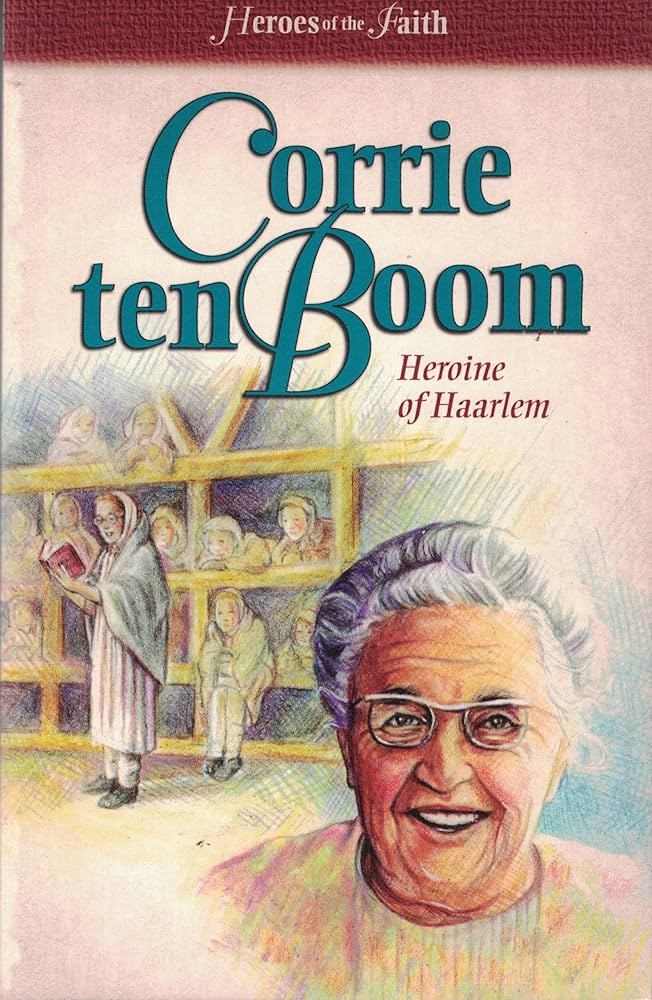

In the aftermath of World War II, the legacy of Corrie Ten Boom was solidified through recognition both within the Jewish community and beyond. Her actions during the Holocaust positioned her as a beacon of hope and an exemplar of moral courage. The world recognized her contributions not merely as a story of a rescuer, but as part of a larger narrative of humanity’s fight against oppression. Corrie’s legacy has been embraced by various Jewish organizations, reflecting the deep respect and gratitude felt towards her and her family’s efforts in saving Jewish lives.
Corrie’s story is often highlighted in commemorative events and educational programs, where her actions are used to illustrate the virtues of selflessness and bravery. The question “Was Corrie Ten Boom A Jew?” is frequently posed to emphasize the significance of her choices, regardless of her own religious background. It reiterates the notion that bravery can be found in individuals from all walks of life, emphasizing that compassion transcends ethnic and faith-based boundaries.
Numerous Jewish organizations have honored Corrie Ten Boom for her unyielding commitment to saving Jewish lives during one of the darkest chapters in history. She has been recognized posthumously by Yad Vashem, the Israeli Holocaust memorial, as one of the Righteous Among the Nations. This designation is awarded to non-Jews who risked their lives to save Jews during the Holocaust, signifying the profound impact of her actions. The commemoration of her bravery serves as a reminder of the responsibility each person holds in the face of injustice.
Moreover, Corrie’s life and legacy have inspired countless books, films, and educational materials aimed at preserving the memory of those who suffered during the Holocaust. Through these narratives, her story resonates with new generations, reinforcing the message that standing up against hatred and prejudice is an enduring imperative. The inquiry of “Was Corrie Ten Boom A Jew?” serves not only as a historical reflection but also as an urgent call to action against the ongoing issues of antisemitism and discrimination experienced by communities worldwide.
In contemporary society, the principles Corrie embodied continue to be relevant. Her advocacy for forgiveness and reconciliation urges individuals to confront their biases and strive to create a more inclusive society. Corrie’s willingness to place her faith into action during the war reflects a commitment to standing up for human rights, a legacy that encourages all to act with empathy and solidarity in the ongoing fight against oppression.
Through her teachings and writings, Corrie Ten Boom’s legacy becomes a historical tapestry woven into the fabric of Jewish resilience. Her life journey emphasizes that the strength of the human spirit can shine through even in the darkest of times, affirming the notion that love and compassion have the power to triumph over hatred and division. The enduring question remains: “Was Corrie Ten Boom A Jew?”—an inquiry that highlights her profound connection to the Jewish community through acts of bravery that save lives, foster understanding, and inspire hope.






Post Comment