
Who Is The Muslim God
- Understanding The Concept Of God In Islam
- Names And Attributes Of Allah
- The Role Of Allah In Islamic Teachings
- Comparing Allah With Other Conceptualizations Of God
- The Significance Of Tawhid In Islam
Understanding The Concept Of God In Islam
Who Is The Muslim God? In Islam, the concept of God is encapsulated in the belief in a singular, omnipotent entity known as Allah. This understanding is pivotal to the Islamic faith and is derived from the Quran, which serves as the primary scriptural source for Muslims. To fully appreciate who the Muslim God is, we must delve into the fundamental characteristics attributed to Allah, emphasizing His uniqueness and how these attributes form the bedrock of Islamic theology.
Central to Islamic belief is the notion of monotheism, which establishes Allah as the one true God, free from any partners or equivalencies. This belief is expressed succinctly in the Shahada, the Islamic declaration of faith: “There is no god but Allah, and Muhammad is His messenger.” This declaration not only affirms Allah’s singularity but also reinforces the role of Muhammad as the final prophet through whom God’s message was conveyed to humanity. The understanding of Allah as an uncreated, eternal being distinguishes Him from the created world, reinforcing His role as the sustainer and orchestrator of existence.
In Islam, Allah is not merely a distant creator but is also perceived as a deeply personal entity. Muslims believe that Allah is involved in the lives of individuals, offering guidance and support while also holding them accountable for their actions. This relationship underscores the significance of faith and the act of worship. Prayer, for instance, is a direct way for Muslims to communicate with Allah, reflecting the intimate bond that can exist between the divine and believers. Each daily prayer, or Salah, serves as a reminder of humanity’s dependency on Allah’s mercy and guidance.

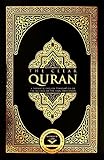
- Holy Quran Part 30 (JUZ AMMA) Book with English Translation (12 Pcs Lot)
- Dr. Mustafa Khattab (Author)
- English (Publication Language)
- 416 Pages - 12/26/2015 (Publication Date) - Message for Humanity (Publisher)
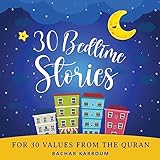
- Karroum, Bachar (Author)
- English (Publication Language)
- 129 Pages - 02/08/2023 (Publication Date) - GoodHearted Books Inc. (Publisher)
The Quran describes Allah using various attributes, which provide further insight into his nature. These 99 names—known as Asma-ul-Husna—each highlight a specific aspect of Allah’s character. For example, Allah is referred to as Ar-Rahman (The Beneficent) and Ar-Rahim (The Merciful), illustrating His compassion and kindness towards creation. These attributes are not merely descriptive; they impart essential lessons in how Muslims should strive to emulate God’s qualities in their lives, fostering a culture of compassion, justice, and mercy.
Furthermore, the concept of Allah in Islam embodies absolute transcendence and immanence. Allah transcends human limitations, signifying that He is beyond any physical form or imagination. However, believers also recognize His immanence, meaning that Allah is close to His creation. This duality allows for a rich and nuanced understanding of God’s nature—one that fosters both awe and accessibility. When Arabic-speaking individuals refer to Allah, they emphasize a term that is deeply embedded in their cultural and religious consciousness, further solidifying a unique understanding of who the Muslim God is.
In Islamic thought, the concept of representation is considered essential when discussing God. Since Allah has no physical embodiment, Islam firmly rejects any form of image or idolization, an act seen as shirk, or associating partners with Allah. This rejection echoes throughout Islamic teachings, reinforcing the belief in the transcendental nature of God. Understanding Allah as beyond comprehension influences Islamic ethics and morality, shaping how Muslims approach life, relationships, and societal responsibilities.
Despite the variations and interpretations that exist within the broader Islamic tradition, the foundational belief in Allah remains unified. Various Islamic sects, whether Sunni or Shia, share this core understanding of a singular, all-powerful deity who is just, merciful, and intimately connected to the lives of believers. Through the educational and moral frameworks of the Hadith—sayings and actions of Prophet Muhammad—Muslims acquire insights into how they can cultivate their understanding of Allah and realign their lives with His divine will.
Through meticulous study of the Quran and the teachings of the Prophet, Muslims strive to internalize the qualities of Allah. This commitment establishes a moral compass that governs individual and communal conduct, emphasizing values such as integrity, humility, and the pursuit of knowledge. As individuals navigate their spiritual journeys, the recognition of Allah’s omnipotence and mercy becomes the guiding principle in seeking a fulfilling existence, where their lives resonate with divine purpose and meaning.
In conclusion, the understanding of God in Islam is a complex and multifaceted subject that revolves around the attributes, relationship, and transcendence of Allah. It encourages believers to reflect upon their own lives in relation to these divine qualities. When pondering “Who is the Muslim God?”, one must grasp the profound implications of Allah’s nature—not just as a distant creator, but as a merciful and loving force present in the daily lives of believers. Such insights lay the groundwork for a deeper appreciation of Islamic spirituality and the values it espouses, highlighting the timeless relevance of Tawhid—the foundational declaration of Islam encapsulating the oneness of Allah.
- Holy Quran Part 30 (JUZ AMMA) Book with English Translation (12 Pcs Lot)
- Dr. Mustafa Khattab (Author)
- English (Publication Language)
- 416 Pages - 12/26/2015 (Publication Date) - Message for Humanity (Publisher)
- Karroum, Bachar (Author)
- English (Publication Language)
- 129 Pages - 02/08/2023 (Publication Date) - GoodHearted Books Inc. (Publisher)
Names And Attributes Of Allah
Throughout Islamic tradition, the significance of names and attributes attributed to Allah is paramount. The Quran presents a comprehensive portrayal of Allah, encapsulating both His essence and His actions. Each of the 99 names, or Asma-ul-Husna, symbolizes a specific attribute or characteristic of Allah, serving as a means for believers to comprehend and connect with the Divine. Understanding these names is vital for anyone exploring the question, “Who Is The Muslim God?” as they provide insight into how Allah interacts with His creation and what Muslims aspire to emulate in their own lives.
One of the essential names, Al-Rahman, underscores Allah’s encompassing mercy. This title signifies that Allah’s mercy extends to all of creation, regardless of faith or belief. It provides reassurance to believers that no matter their transgressions, the door of repentance remains open, inviting them to seek forgiveness. Another cornerstone attribute is Al-Rahim, which denotes a specific, intimate mercy towards those who believe. This distinction is crucial for Muslims, as it fosters hope and encourages a sense of belonging in the compassionate nature of Allah while reinforcing the importance of faith and obedience.
Additionally, Allah is often described as Al-Malik (The King) and Al-Quddus (The Most Sacred), highlighting His sovereignty and purity. These attributes remind Muslims of Allah’s ultimate authority over the universe and the necessity of submitting to His will. The recognition of Allah as the sovereign ruler fosters a sense of humility among believers and reinforces the understanding that their existence is governed by a higher purpose. This perspective imbues the everyday lives of Muslims with a sense of accountability, as they are not merely subjects of an indeterminate force but are called to actively engage in a relationship with a powerful and holy Creator.
Another significant name is Al-Hakim (The All-Wise). This attribute reflects Allah’s infinite wisdom and the belief that His decrees are rooted in profound understanding, even if they may not always be understood by humans. This element of trust in Allah’s wisdom encourages Muslims to submit to God’s plans during times of difficulty or confusion, thus fostering resilience and patience in their spiritual journeys.
Moreover, Allah is referred to as Al-Basir (The All-Seer) and Al-Sami (The All-Hearing), which assures believers that their prayers and struggles are acknowledged. These attributes promote a profound sense of connection and intimacy with Allah, emphasizing that they are never alone in their distress. This understanding instills a sense of comfort, leading to deeper faith and reliance on Allah during both trials and triumphs.
The attributes serve an essential role in shaping a Muslim’s character and moral framework. By striving to embody these qualities, believers are encouraged to practice patience, mercy, justice, and humility. The process of internalizing Allah’s names is viewed as a form of spiritual growth that enriches one’s character and relationships with others, thus reflecting the divine qualities in daily actions.
Ultimately, the exploration of the names and attributes of Allah provides essential insights into the nature of the Muslim God. Recognizing these characteristics fosters a richer understanding of the divine and inspires Muslims to develop a closer connection with Allah, guiding them on a path toward personal and spiritual fulfillment. As individuals seek to navigate their faith, the attributes of Allah remain a vital source of inspiration and guidance in their lifelong journey towards understanding the question, “Who Is The Muslim God?”
The Role Of Allah In Islamic Teachings
The concept of Allah is intricately woven into the fabric of Islamic teachings and has a foundational role that permeates various aspects of a Muslim’s life. The role of Allah is not limited to being a mere creator; instead, He is depicted as an active participant in the lives of believers, guiding, nurturing, and holding them accountable. The teachings surrounding Allah emphasize His significance throughout the Quran and Hadith, where believers are continuously reminded of His omnipresence and authority.
Guidance and Legislation
One of the most prominent roles of Allah in Islamic teachings is that of a guide. This guidance is primarily delivered through the Quran, which Muslims believe to be the literal word of Allah as revealed to the Prophet Muhammad. The Quran not only provides spiritual and moral guidance but also serves as a legal framework governing the lives of believers. Through its verses, Allah lays down principles that pertain to various aspects of human life, including ethics, social justice, and worship.
For instance, the Quran emphasizes the importance of justice and equity in dealings with others, asserting that, “O you who have believed, be persistently standing firm in justice, witnesses in justice, or witness even if it be against yourselves or parents and relatives” (Quran 4:135). This beauty of divine legislation exemplifies how Allah plays an active role in shaping the moral landscape of society. Thus, when exploring “Who Is The Muslim God,” one comes to realize that Allah is profoundly invested in guiding humanity towards righteousness.
- Holy Quran Part 30 (JUZ AMMA) Book with English Translation (12 Pcs Lot)
- Dr. Mustafa Khattab (Author)
- English (Publication Language)
- 416 Pages - 12/26/2015 (Publication Date) - Message for Humanity (Publisher)
- Karroum, Bachar (Author)
- English (Publication Language)
- 129 Pages - 02/08/2023 (Publication Date) - GoodHearted Books Inc. (Publisher)
Mercy and Compassion
In Islamic teachings, Allah’s mercy is paramount. The Quran begins with a declaration of His compassion, starting every chapter except one with “In the name of Allah, the Most Gracious, the Most Merciful.” This recurring phrase encapsulates the essence of Allah’s role as a compassionate deity who desires the well-being of His creation. The teachings instill hope in believers, as they are frequently reminded that Allah’s mercy encompasses all.
The Hadith further amplifies this attribute, with the Prophet Muhammad saying that Allah’s mercy surpasses His wrath. Such teachings encourage Muslims to seek forgiveness and instill a sense of accountability in their dealings with each other. The understanding of Allah as a forgiving God who welcomes repentance plays a crucial role in the psychological and spiritual fortitude of individuals, making the concept of “Who Is The Muslim God” one rooted in mercy and affection.
Accountability and Judgment
Another significant aspect of Allah’s role in Islamic teachings is the emphasis on accountability. Allah is regarded as the ultimate judge, and every individual will be held accountable for their actions on the Day of Judgment. This belief serves as a powerful motivator for ethical conduct among Muslims, ingraining within them the importance of aligning their behaviors with divine decrees.
The Quran expounds on this theme, stating that “Indeed, the hearing, the sight, and the hearts – about all those [ones] will be questioned” (Quran 17:36). This notion fosters a sense of conscientiousness among believers, urging them to live their lives with integrity and a sense of duty toward both their creator and fellow human beings. Thus, as one contemplates “Who is the Muslim God,” it becomes clear that Allah embodies both compassion and authority, setting a moral compass for Muslims to navigate their earthly journey.
The significance of Allah’s role is further illustrated through a statistical overview that reflects the central position He occupies within the lives of believers. The following table showcases survey results on various aspects related to the perception of Allah among Muslims globally:
| Aspect | Percentage of Muslims Agreeing |
|---|---|
| Allah is a guiding presence in my life | 85% |
| Allah’s mercy is essential for my faith | 78% |
| Belief in accountability enhances my moral decisions | 82% |
These statistics illustrate how integral Allah is to the everyday lives of Muslims, affirming His roles as a guide, a source of mercy, and a figure of accountability. The multifaceted nature of Allah within Islamic teachings showcases the depth and richness of Islamic spirituality, where believers continually strive to understand “Who Is The Muslim God” through their relationship with Him and the way they seek to embody His attributes in their lives.
Comparing Allah With Other Conceptualizations Of God

In many theological discussions, the Muslim conception of God, referring to Allah, is often juxtaposed with other religious interpretations of the divine. This comparison reveals significant differences and similarities in how God is perceived and understood across various faiths. Understanding Allah’s nature in relation to other deities allows for a more profound exploration of the question, “Who Is The Muslim God?” and highlights the unique characteristics that define Islamic belief.
Monotheism Versus Polytheism
At the core of the Islamic understanding of God is a strict monotheism called Tawhid, meaning the oneness of Allah. This concept explicitly rejects any form of polytheism, contrasting sharply with belief systems that worship multiple gods or deities. In Christianity, for instance, the concept of the Trinity introduces a complex understanding of God as three persons in one essence: the Father, the Son, and the Holy Spirit. This fundamental difference emphasizes that, while both Islam and Christianity believe in a single divine creator, their interpretations and teachings diverge significantly.
In Hinduism, which is often labeled as polytheistic, the presence of many gods such as Vishnu, Shiva, and Devi highlights an altogether different conceptualization of the divine. These deities represent various aspects of a singular ultimate reality, Brahman, which contrasts with the Islamic belief in Allah’s indivisible oneness. The notion of Allah in Islam instills a sense of singular authority and unshared divinity, posing a stark contrast to the multifaceted nature of deities found in other traditions. For in-depth analysis of these differences, you can refer to resources such as [BBC Religion](https://www.bbc.co.uk/religion/religions/) and [IslamicTeachings.org](https://www.islamicteachings.org/).
Immanence Versus Transcendence
The Muslim God, Allah, is both transcendent and immanent, which is a theme prevalent in many religions but articulated differently in each. In Islam, Allah is described as Al-Aliyy, or “the Most High,” emphasizing His transcendence and supreme authority over the universe. This belief manifests in the understanding that Allah is beyond all human comprehension and existence, thus elevating the concept of who He is within the grand narrative of divine interaction. This perspective fosters a sense of awe and reverence in believers, prompting them to understand their position in relation to Him.
Conversely, in certain strands of Christianity, while God is also understood as transcendent, there is a strong emphasis on His immanent presence, particularly through the figure of Jesus Christ and the Holy Spirit. This notion of God dwelling amongst humans leads to a different approach to worship and the divine-human relationship, which can further obscure the understanding of “Who Is The Muslim God?” as a separate entity with distinct characteristics.
In Buddhism, the concept of God varies widely, as it does not traditionally focus on a creator deity. The emphasis on achieving enlightenment through inner peace and detachment from worldly desires represents a stark departure from the theistic frameworks present in both Islam and Christianity. For Muslims, Allah’s personal involvement in humanity’s affairs—as seen in His guidance and laws—remains an essential element in defining spiritual practice and belief, marking a significant distinction from these other perspectives.
Attributes and Nomenclature
When examining the names and attributes of Allah in Islam, they are encapsulated in a manner that invites believers to reflect on His nature while fostering a personal relationship. The 99 names of Allah articulate various attributes, such as Al-Rahman (The Beneficent) and Al-Malik (The King), highlighting both His mercy and sovereignty. This differs from how attributes of God are understood in other religions. For example, in Christianity, God is often referred to in terms of love, grace, and justice but is understood through a Trinitarian lens that can lead to varied interpretations among different sects.
In Hinduism, the characteristics of the divine entities range widely, with each god embodying different aspects of life, nature, and society. This deification leads to a multitude of attributes, making the understanding of one singular God more complex. In this interplay of names and attributes, the discussion around “Who Is The Muslim God?” becomes enriched by recognizing how these terms carry both meaning and significance within Islamic teachings, guiding practitioners towards a deeper spiritual understanding.
The Role of Divine Law and Ethics
One of the defining features of Allah within Islamic teaching is His role in providing a comprehensive moral and legal framework through the Quran and Hadith. In comparison, other religions often interpret divine law differently. For instance, in Judaism, the Torah serves as the foundational legal text, governing the lives of its followers, emphasizing a covenantal relationship between God and His people. This authoritative nature of religious texts highlights similarities between the roles of these respective deities, albeit with differing implications for followers.
In the realm of ethical considerations, many religions emphasize moral conduct as a reflection of divine expectations. In Christianity, for instance, the teachings of Jesus encourage love, tolerance, and forgiveness, paralleling Islamic values of mercy and compassion derived from Allah. Yet, the understanding of “Who Is The Muslim God?” becomes significantly nuanced when exploring how these principles are tied specifically to Allah’s attributes and the Quranic commandments that serve to guide believers in their ethical choices.
These varying perspectives highlight the complex interplay of similarities and differences in the conceptualization of God across religions. Reflecting on Allah in contrast with other interpretations promotes a broader understanding of divine interactions and spiritual journeys, enriching the quest to answer the question, “Who is the Muslim God?” by delving into the heart of diverse beliefs and practices.
The Significance Of Tawhid In Islam
Tawhid, the fundamental Islamic principle emphasizing the oneness of Allah, carries immense significance within the faith. It serves not just as a theological concept but as a guiding tenet that shapes the worldview and practices of Muslims worldwide. The declaration of Tawhid is the foundation of the Islamic creed, profoundly influencing how adherents perceive and relate to Allah, as well as how they understand their place in the cosmos. When exploring “Who Is The Muslim God?”, it becomes clear that Tawhid is central to this inquiry.
At its core, Tawhid encapsulates the belief that Allah is singular and unparalleled, meaning that there is nothing comparable to Him in existence. This assertion is rooted in the Quranic declaration, “Say, He is Allah, [who is] One” (Quran 112:1). This verse succinctly captures the essence of Allah’s uniqueness, highlighting that He is the sole creator, sustainer, and ruler of the universe, standing apart from all creation. Tawhid asserts that acknowledging and worshipping any entity aside from Allah constitutes shirk, or idolatry, which is considered the gravest sin in Islam.
The implications of Tawhid extend beyond mere theology; they elucidate the relationship between Allah and humanity. Recognizing Allah’s oneness leads to an understanding that He is intimately involved in every aspect of life, affirming that all worship should be directed solely to Him. This principle instills a sense of purpose and accountability, compelling Muslims to align their actions, decisions, and intentions with the divine will. The idea that Allah is one fosters communal unity among Muslims, as they collectively engage in worship and service, united in their acknowledgment of a singular deity.
Furthermore, Tawhid plays a critical role in shaping Islamic spirituality and morality. It encourages believers to reflect on the attributes of Allah, prompting them to cultivate virtues such as compassion, justice, and humility in their lives, mirroring the divine qualities encapsulated within the names of Allah. This striving for emulation forms the basis of a spiritual journey, one in which adherence to the principles of Tawhid leads to deeper connections with Allah and a more profound understanding of His attributes. The richness of Islamic ethics is thus intertwined with this concept of oneness, as moral actions are seen as manifestations of faith in Tawhid.
The significance of Tawhid also resonates within broader Islamic narratives, where stories and teachings reinforce its foundational importance. Many hadiths emphasize the necessity of recognizing Allah’s oneness, urging believers to uphold this belief as essential for their spiritual well-being. As they navigate their daily lives—through prayer, charity, and community engagement—Muslims remain rooted in the understanding that these acts of worship are conduits for experiencing Allah’s presence and mercy.
Additionally, the principle of Tawhid fosters a deep sense of belonging and connection among Muslims, as it transcends cultural and geographical divides. Regardless of differences in language, tradition, or background, the acceptance of Tawhid acts as a common thread that binds the global Muslim community. When considering “Who Is The Muslim God?”, acknowledging the significance of Tawhid reveals a universal aspiration among believers to honor Allah, engage in worship, and contribute positively to the world around them.
Ultimately, the significance of Tawhid in Islam cannot be overstated, as it forms the bedrock of Islamic belief and practice. This essential principle instills a robust sense of accountability, guides ethical conduct, and fosters a profound relationship with Allah, enriching the spiritual lives of Muslims everywhere. Understanding Tawhid is critical to grasping who the Muslim God truly is, illuminating the unique character of Allah as the singular, omnipotent force that governs the universe and the lives of all who recognize Him.









Post Comment